



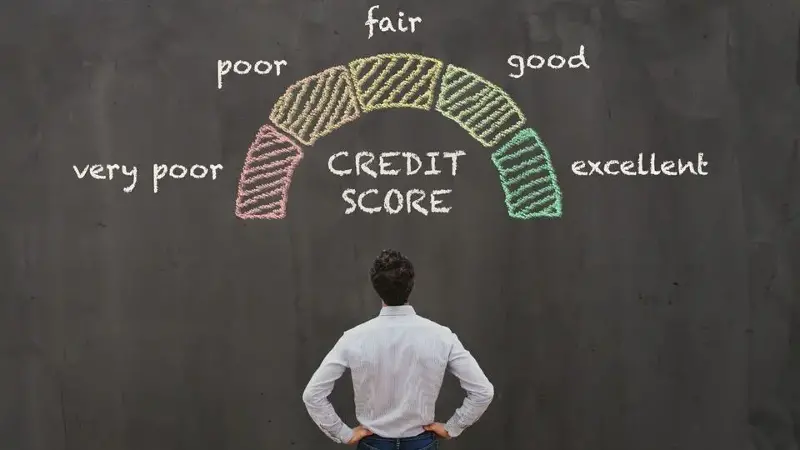
The nation's rapidly evolving credit-driven economy makes understanding credit scores and their fundamentals critical for long-term financial planning and economic prosperity. Lending institutions rely increasingly on this three-digit number.
It is a number that ranges from 300 to 900 to judge borrowers' reliability in making pending loan repayments. CRIF High Mark, Experian, Equifax, and CIBIL are some of the prominent credit bureaus that provide these scores. These bureaus utilise advanced scoring models to conduct thorough background checks on prospective borrowers. Still, certain basic components influence the scores of individual borrowers.
What are the main factors used to calculate a credit score?
1. Payment history is the biggest driver
The repayment history of aspiring personal loan or credit card applicants forms the backbone of their credit score. Any delay in clearing credit card bills, personal loan EMIs, or home loan EMIs immediately lowers the borrower's credit score.
Key factors to boost one’s credit score include:
- Timely repayment of personal loan EMIs and credit card bills.
- No personal loan defaults or settlements, such a history can stay on your credit profile for years.
2. Credit utilisation and credit behaviour
Furthermore, how you use your credit limit matters almost as much as how you repay your pending bills and dues.
Essential constituents of the same are:
- Maintaining credit utilisation generally below 30% is recommended.
- Avoid reckless and continuous use of credit cards to the maximum limit.
- Keep track of multiple active personal loans, credit cards, and home loans.
- Borrowing within means and keeping spending in check is also an essential constituent.
A high credit utilisation ratio signals financial stress, credit hunger, and reduces your creditworthiness in the eyes of lenders.
3. Credit mix, length of history, and new inquiries
A well-balanced credit portfolio can strengthen your credit profile over time. It can also help improve credit scores and make future personal loans and credit cards easier to secure.
What do lending institutions check:
- A healthy combination of secured, i.e., home and auto, and unsecured, i.e., personal loans and credit cards, provides a borrower with a healthy credit mix.
- The length of credit history is important, as older accounts offer stability. For example, a decade-old credit card with no past defaults can help immensely in boosting one’s credit history.
- Frequency of hard inquiries, i.e., applications for new personal loans or credit cards, damages credit scores and complicates future borrowing potential.
Too many fresh applications in a short span are seen as risk flags. The applications of such applicants can also get rejected by the loan disbursing financial institutions.
Why does it matter today?
As more fintech lenders and emerging financial institutions enter the lending market and the RBI continues to promote responsible lending, credit scores will play a larger role than ever in determining loan eligibility and applicable interest rates. A strong score not only boosts approval chances but also provides access to premium credit cards.
That is why a disciplined credit approach, moderate utilisation, and limited hard checks remain the most efficient way to maintain a healthy credit score for long-term financial prosperity and economic stability.
For all personal finance updates, visit here.
Disclaimer: Mint has a tie-up with fintechs for providing credit; you will need to share your information if you apply. These tie-ups do not influence our editorial content. This article only intends to educate and spread awareness about credit needs like loans, credit cards, and credit scores. Mint does not promote or encourage taking credit, as it comes with risks such as high interest rates and hidden charges. We advise investors to discuss with certified experts before taking any credit.