
Sam Altman-led OpenAI on 5 February unveiled a new Codex model, GPT‑5.3-Codex, which the company claims is the "most capable agentic coding model to date."
It is the first model to "meaningfully contribute to its own creation." According to the company statement, early versions have been used to debug training, manage deployment, and analyse test results and evaluations.
What can the latest Codex model do?
GPT-5.3-Codex can handle long, complex tasks that include research, tool use, and multi-step execution, and it allows coders to interact with the model and guide it as it works, much like collaborating with a colleague, without losing context, the company statement added.
Features of GPT-5.3-Codex
OpenAI said that the GPT-5.3-Codex model combines the advanced coding abilities of the GPT-5.2-Codex with the strong reasoning and professional knowledge of GPT-5.2 into a single system. It further added that the new model runs at least 25% faster than previous models.
What's new
With GPT-5.3-Codex, the model has evolved from an agent that used to write and review code into one that can perform nearly any task that developers and other professionals do on a computer. Simply put, the Codex model could previously write and check code; however, with the new upgraded version, it can perform tasks similar to those of a developer or a professional. This includes researching information, editing files, managing workflows, and running tools.
GPT-5.3-Codex is built to support all work across the software lifecycle, including debugging, deploying, monitoring, writing Product Requirements Documents (PRDs), editing copy, user research, tests, metrics, and more. It can also analyse data in sheets.
Availability
The latest GPT-5.3-Codex is available to all users with paid ChatGPT plans and can be used anywhere. This includes the application, Command Line Interface (CLI), Integrated Development Environment extension (IDE), and web.
Rival AI model launched by Anthropic
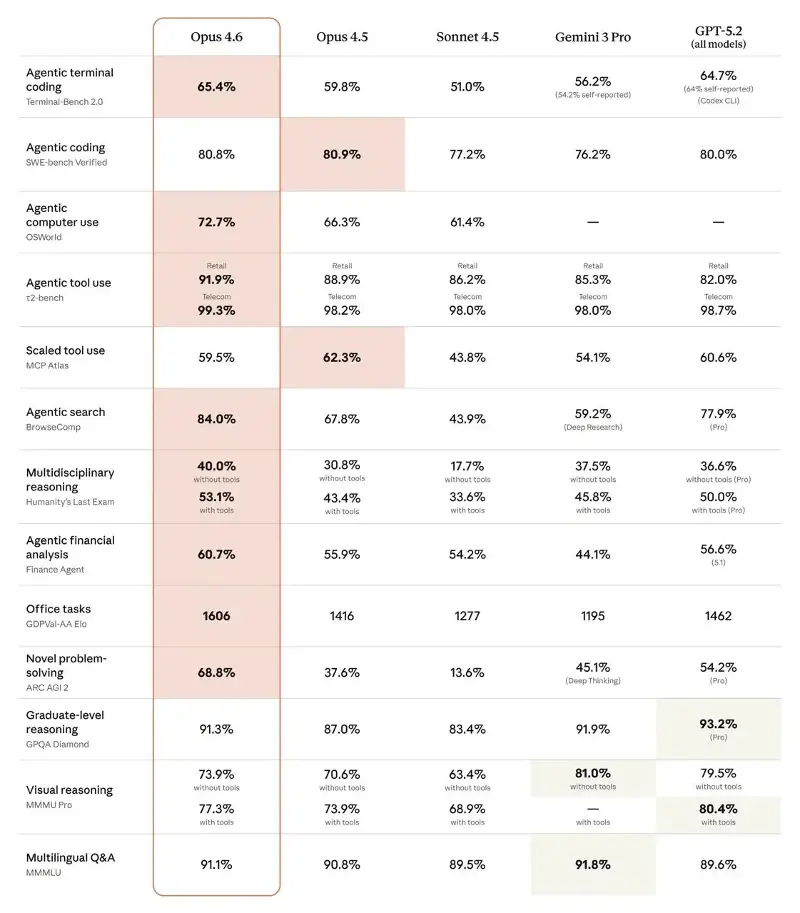
The launch of GPT-5.3-Codex coincided with that of Anthropic's new AI model, Claude Opus 4.6, as the rivalry between the two AI firms heats up. The Opus 4.6 model is an improved version. It is built on its predecessor with stronger coding abilities, Anthropic said in a statement on Thursday. Further, it carefully plans, can handle long-running agentic tasks, works more reliably in large codebases, and can offer improved code review.
OpenAI vs Anthropic
Following the launch of the two rival AI models, OpenAI's Sam Altman and Anthropic's Sholto Douglas, one of the company's leading researchers appeared on a podcast. According to a report in Business Insider, the OpenAI chief said, "I think we will be heading towards a workflow where a lot of people just feel like they're managing a team of agents. And as the agents get better, they'll keep operating at a higher and higher level of abstraction."
Responding to Altman, Douglas said that they have compared the previous models and have noticed key differences. According to him, "The OpenAI models were a bit better at trying really, really, really hard on tough problems, but the Anthropic models were much faster and so forth." He added that while OpenAI worked on improving speed, Anthropic focused on making the AI models “ much, much better at really, really tough problems.”