



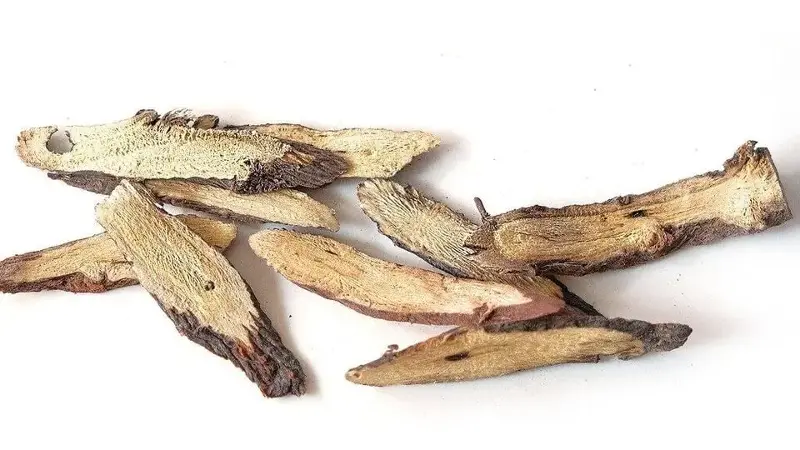
Mulethi (licorice root) has been used for many years to treat a sore throat or a stubborn cough. Since it is a plant-based remedy rooted in Ayurveda, many assume it is entirely "safe." While it is natural, it contains a potent compound that warrants a closer look.
Mulethi’s side effects
Despite its long history of use, mulethi is not risk-free. Health authorities consistently flag its active compound - glycyrrhizin. Studies over the years have noted how it affects the way our body handles salt, water, and certain hormones that can have a severe effect on our daily lives.
Four mulethi side effects you need to be aware of
Raised blood pressure
Glycyrrhizin causes the body to retain sodium and water - a combination that may push blood pressure upward.
Low potassium levels
Low potassium, also called hypokalemia, has been observed in people consuming large amounts of mulethi. Weakness, fatigue, and muscle cramps are just some of the reported symptoms. In more serious cases, it may also affect heart rhythm and require medical attention.
Fluid retention and swelling
Some people notice swelling in the ankles, feet, or lower legs. This happens due to excess fluid buildup as a result of repeated or high-dose consumption of mulethi.
Hormone-related effects
The root can interfere with cortisol activity in the body. Over time, this may cause headaches, irregular menstrual cycles, or general fatigue in certain individuals, as documented in clinical observations.
Who should avoid mulethi completely
The reactions to mulethi differ from person to person, but certain groups are advised to stay away from regular use.
People with high blood pressure, heart disease, or kidney disorders may be more vulnerable to its side effects. Pregnant and breastfeeding women are also advised to avoid mulethi as well due to potential developmental risks, according to the National Center for Complementary and Integrative Care.
Studies also state that those taking diuretics, corticosteroids, or heart medications should be cautious, as mulethi can interact with these compounds. Individuals with existing potassium imbalance or hormone-sensitive conditions could also face added risk.
DGL licorice: A safer alternative explained
Deglycyrrhizinated licorice (DGL) products remove most of the glycyrrhizin and are considered safer for some uses. Even so, moderation and medical guidance remain important.
FAQs
Which segments of the population are more vulnerable to mulethi’s side effects?
Pregnant and breastfeeding women and people with high blood pressure, heart disease, or kidney disorders are more prone to the side effects.
What are the side effects of mulethi?
It can lead to fatigue, weakness, high BP and low potassium levels.