



Which ITR form should you use?
How should capital gains be reported in ITR?
- Held for 12 months or less: Short-Term Capital Gain (STCG)
- Held for more than 12 months: Long-Term Capital Gain (LTCG)
What should taxpayers keep in mind while reporting capital gains?
- Determine the correct holding period to classify gains as short-term or long-term.
- Report all sale transactions made during FY 2025-26 (1 April, 2025 to 31 March, 2026).
- Compute capital gains accurately after accounting for corporate actions such as bonus issues and stock splits.
- Report eligible capital losses if they are to be carried forward.
- Retain supporting documents, such as Demat statements and other investment records, to substantiate the reported transactions.
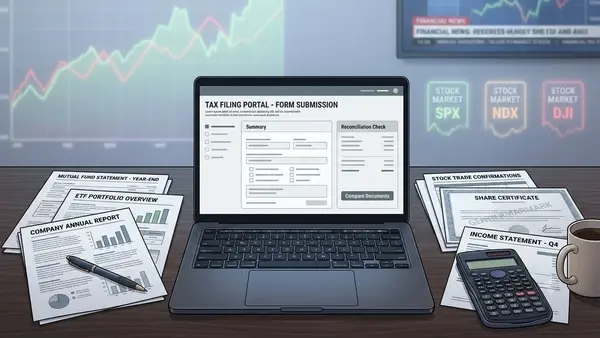
How should you reconcile broker statements before filing?
- Collect transaction statements from all brokers and investment platforms, including broker P&L statements, contract notes, Demat statements, Consolidated Account Statements (CAS), and CAMS/KFintech statements for mutual fund and ETF transactions.
- Verify every purchase and sale, and reconcile the capital gains calculated by brokers with the details reported in the Annual Information Statement (AIS).
- Review Form 26AS to confirm that TDS and other tax credits have been accurately reflected.
- Identify and rectify any missing, duplicate, or incorrectly reported transactions before filing the return.
- Ensure all eligible capital losses and tax credits have been accounted for and keep supporting documents as evidence.
Should unrealised gains be reported in ITR?
No.
Disclaimer: This is only for informational and educational purposes. Please consult a qualified tax expert for the latest tax laws and regulations.