



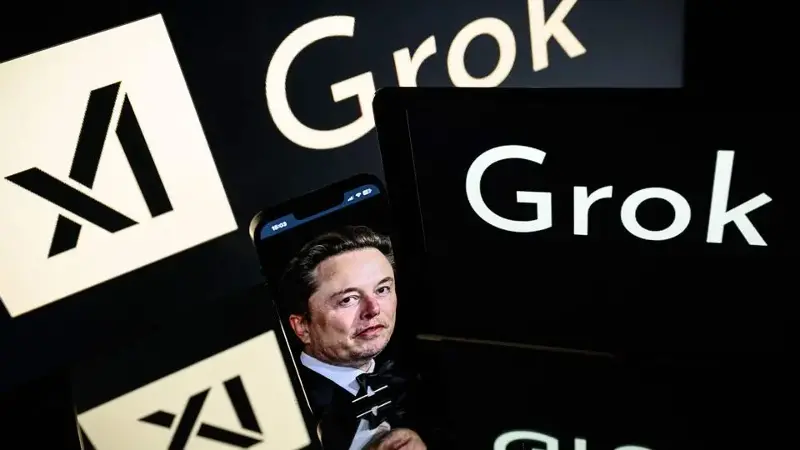
X has taken a major step towards transparency by making its recommendation algorithm publicly available, allowing anyone to examine how content is ranked and surfaced on the platform.
X makes feed algorithm public
The social media company confirmed that its core feed ranking system has been open-sourced, with the full codebase published on GitHub. The move means developers, researchers and users can now inspect the logic that determines which posts appear in their feeds, including both organic content and paid advertisements.
The announcement was made by X owner Elon Musk, who acknowledged that the current system is far from perfect. He described the existing algorithm as unsophisticated and in need of significant improvement, but said opening it up was an important step towards greater openness.
Transparency over perfection, says Musk
In a post on X on Tuesday, Musk said users would now be able to see how the platform works behind the scenes as changes are made in real time. He suggested that while the algorithm has clear limitations, public scrutiny would help expose its flaws and accelerate progress.
According to Musk, the aim is not to present a finished or flawless system, but to allow the public to watch the platform refine its recommendations openly rather than behind closed doors.
Built on Grok’s AI foundations
X revealed that the recommendation system is powered by the same transformer-based architecture used in Grok, the artificial intelligence model developed by Musk’s AI company, xAI. This highlights the growing role of advanced machine learning in shaping what users see on the platform.
By sharing the code, X hopes to give technical experts deeper insight into how engagement signals are processed, how content is prioritised, and how discovery beyond followed accounts is handled.
Ranking posts and adverts under the spotlight
The open-sourced code covers the systems responsible for ranking posts, suggesting content, and placing advertisements. This means the mechanisms that decide which posts rise to the top of a feed, how widely content is distributed, and how different signals are weighted are now visible to the public.