



General Motors’s Cadillac brand is off to the races. As it hits new highs for its varied passenger vehicle lineup, the 123-year old brand is joining Formula One in 2026.
“We are all in on Cadillac,” General Motors president Mark Reuss told Newsweek.
The Cadillac F1 team is the result of a partnership between GM and TWG Motorsports. In mid-2023, Cadillac began working on its F1 entry. This March, F1 confirmed Cadillac as the 11th entry into the global racing series for the 2026 Formula One World Championship season.
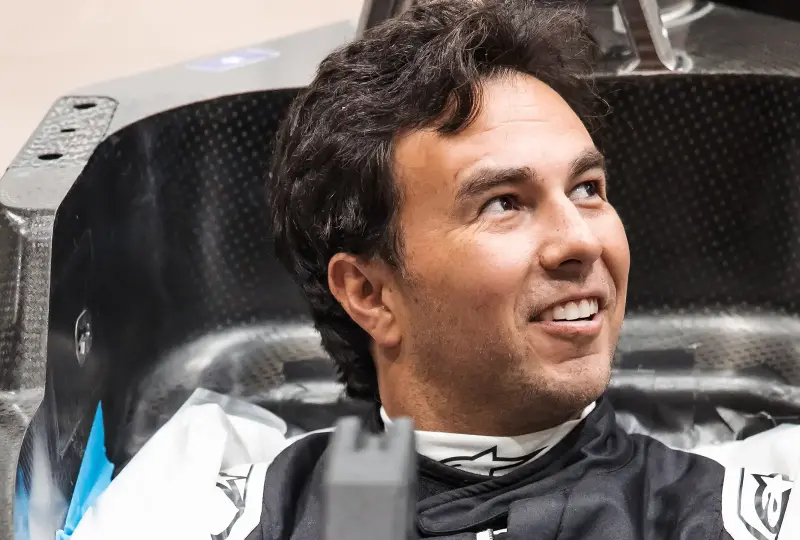
The team will field cars driven by Mexican Sergio “Checo” Pérez and Finn Valtteri Bottas, both veteran F1 drivers who sat out the 2025 season.
Reuss sees the company’s F1 team as a marketing tool to sell cars, falling into the vein of the old phrase often echoed in relation to NASCAR: “Win on Sunday, sell on Monday.” It comes as Cadillac is looking to spread its sales footprint further, setting up sales shop in Europe and the UK, and promising to sell its new Escalade IQ in South Korea.
“Formula One will bring that message and bring that awareness and consideration to millions of people that we just haven’t been in front of,” Reuss said. “The minute we signed Checo, we sold a bunch of Cadillacs in Mexico. Those are the kind of things that you just can’t predict.”
But, Cadillac is new to F1. Wins aren’t guaranteed.
“We’re humble but ambitious to win,” Reuss said. “We’re not there to finish second or third or fourth.”
He continued: “It’s a very, very tough crowd that we’re competing against. [They] have been there for many years [and] have a much longer track record. We’re going to put our best foot forward and give it everything we have and keep doing that for the long haul.”
The playing field is somewhat more level for a team entering for the 2026 season than in previous years. Next year marks the start of a new generation of F1 car that is smaller and lighter than the one used with evolving modifications from 2014 to 2025.
And the changes don’t stop there. The cars will have a 50-50 hybrid power split, be equipped with narrower tires and use 100-percent sustainable synthetic fuel. The 2025 car’s drag reduction system (DRS) technology is replaced by active aerodynamics technology and a power boost button to use when overtaking.
Like passenger cars, the F1 cars will be able to recoup energy for their battery system through braking.
“I don’t know if it’s better or worse [entering during a car change year], but at least everybody has something new to work on. Boy, we’re not taking anything for granted. I’ll tell you that,” Reuss said.
He continued, saying, “We have not run a new car on any of those tracks. And so we’re going to start from ground zero, which is also extremely exciting… The time [from company establishment to getting to the grid] hasn’t been very long, but if we put our best minds on it, and we put our best tools to it, and we leverage our footprints of engineering and simulation, both in the powertrain and the integration of that with the actual vehicle from a fluid dynamics and aero standpoint, I think, I think we’ll have something that’s very interesting, and that’s what we’re focused on.”