



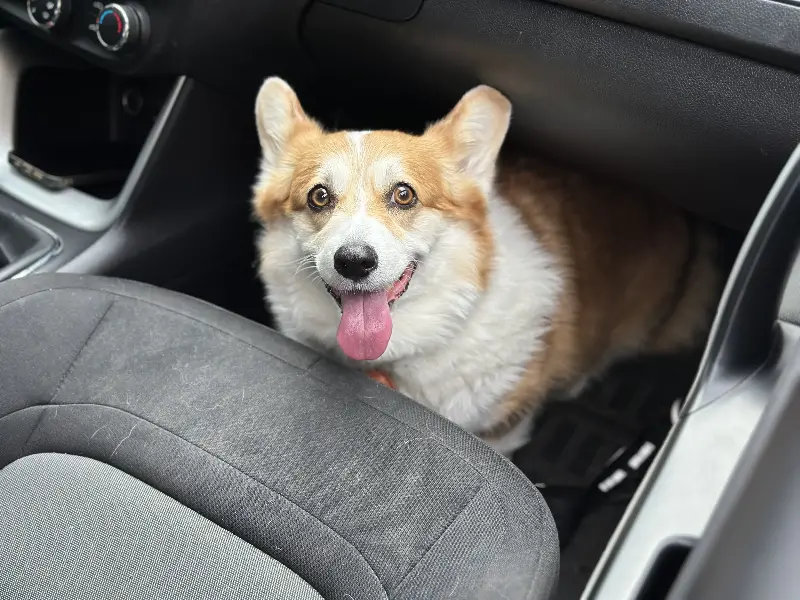
A dog owner was urged to rush their Corgi to a vet after they shared several photos of an unknown object the dog had eaten.
The original poster (OP), user Asleep_Virus_4407, sought help identifying the substance on Reddit, explaining that their dog had run onto their neighbor’s porch and had started eating it.
The community quickly sprang into action, with many imploring them to call a vet immediately upon identifying the object: rat poison.
One wrote, “Vet. NOW. This looks like rodent poison. There are several brands it could be; the closest I can see is Ditrac Rodent Blocks, but it could be many types.”
Another, who identified themself as a vet, agreed: “Rodent bait (poison) block: ingredients vary, some are relatively innocuous, other brands contain anticoagulants, typically quite treatable given exposure and quick action.
“The worst are the ones with Vitamin D analog ingredients, as they are quite toxic.”
“It’s Ditrac [All-Weather Blox]; Vitamin K1 is needed at this time for the dog,” one contributor noted.
‘Not something to try to handle at home’
In a series of updates delivered via the comments, the OP confirmed that their neighbor had identified the cube as rat poison, which allowed them to narrow down the brand.
“Pup is doing fine for now, vitals are good, able to induce vomiting, now determining next steps,” they wrote. “Should add we are at the emergency vet who is handling everything. Definitely not something to try to handle at home.”
By the evening of January 26, the dog had been discharged with vitamin K and follow-up instructions.
“They are hopeful he will be just fine,” the OP wrote.
Why Rat Poison Is So Dangerous
Rodenticides contain a variety of compounds designed to kill pests, many of which are equally harmful to pets and even children.
According to PetMD, some commonly used poisons can cause internal bleeding, neurological damage, or organ failure if absorbed into the bloodstream. Because dogs do not know the difference between bait and food, even a small amount can be acutely dangerous.
Veterinary toxicologists emphasize that time is critical in these situations, as rapid veterinary intervention—ideally within the first hour—provides the best chance to remove the toxin and limit absorption.
Professionals may administer activated charcoal to bind the poison in the stomach and intestines, and in more severe cases, supportive treatments like blood products, fluids, or anti-bleeding medications may be required.
What Dog Owners Should Do
If a dog eats an unknown substance — especially something that could contain rodenticide — experts recommend the following steps:
- Do not wait for symptoms. Many toxins don’t show signs immediately.
- Call your veterinarian or an animal poison control hotline right away. They can provide advice tailored to the specific poison and your dog’s size and health.
- Follow professional instructions — not unverified online remedies. Incorrect treatments, even with good intentions, can cause additional harm.
If your dog eats something unknown, always seek professional advice—and keep rodent baits and other poisons securely stored and inaccessible to pets and children alike.
Newsweek has reached out to Asleep_Virus_4407 for comment via Reddit. We could not verify the details of the case.
To read how Newsweek uses AI as a newsroom tool, click here.