



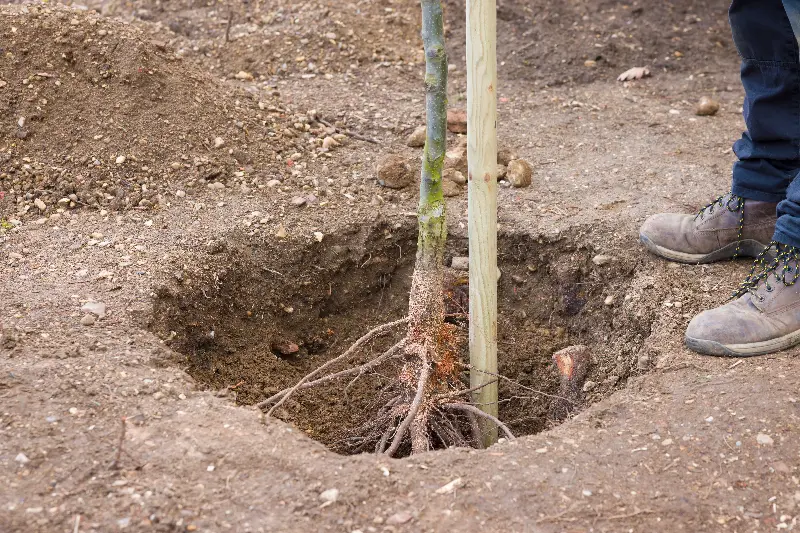
A homeowner hoping to plant an apple tree instead uncovered a large brick structure buried beneath the front yard of her 19th-century house, prompting warnings and speculation from online pundits familiar with historic properties.
The discovery was shared in a Reddit post by the homeowner, as user KrissKrissBangBang in the United Kingdom, described hitting bricks almost immediately while digging.
According to the post, the house was built in 1886 and the bricks uncovered appear identical to those used in nearby residences.
Mystery Structure
The structure is estimated to be roughly six feet wide and about 13 feet long, extending more than six feet deep. The tops of the walls are curved before flattening out, while the interior walls appear to be concrete.
No visible pipes or water inlets had been identified at the time of posting. The structure sits at the front of the house near the kitchen.
The homeowner added that the building was originally constructed by a local church and previously used as an almshouse. She also noted that the surrounding village has several natural springs, a detail that became central to the discussion as pundits tried to determine the structure’s purpose.
Photos shared in the Reddit thread show a carefully laid brick chamber surrounded by wet soil and pooled water, suggesting it was intentionally built rather than leftover rubble or a collapsed foundation.
The images prompted words of warning amid almost 300 remarks, such as the individual who replied: “If the inside is concrete it was probably a cistern. Be very careful!”
Another contributor disagreed and pointed to the construction style: “Its not a cistern. Its a shelter/cellar. There even could be a tunnel leading out. Look at the style and shape-curved ceilings.
“That’s not a cistern construction. Got some old houses too.”
Costly Surprises
The debate reflects a familiar reality for owners of historic homes, where long-forgotten features are often discovered during routine maintenance or landscaping.
Writing on the renovation blog House of Brinson, the author of, “10 Things I Wish I Knew Before Buying an Old House,” described the experience as part of owning an older property.
“I wouldn’t change buying our house for the world,” the author wrote, noting that early ownership often brings unexpected and costly surprises, according to House of Brinson.
Professional inspectors often warn that older homes can conceal structural elements tied to outdated utilities or past uses.
In an article published by Budget Dumpster about what to look for when buying an old house, Michael Spaargaren of First Choice Inspectors LLC advised buyers to take extra precautions.
“Make sure to get a comprehensive home inspection prior to buying an old house,” Spaargaren said in the article.
“Do your research to find a company or inspector with a diverse background in older homes, roofing, home wiring and knowledge in lead and asbestos.”
Safety Risks
While no definitive explanation emerged in the Reddit discussion, many pundits urged the homeowner to stop digging and consult an expert before continuing.
Older UK homes commonly included features such as coal cellars, storage chambers or water-related structures that are no longer in use and may pose safety risks if disturbed.
For now, the apple tree remains unplanted, replaced by an unexpected excavation that has offered a glimpse into the property’s past and a reminder that beneath historic homes, earlier chapters often remain just below the surface.
Newsweek has reached out to KrissKrissBangBang for comment via Reddit. We could not verify the details of the case.
To read how Newsweek uses AI as a newsroom tool, click here.