



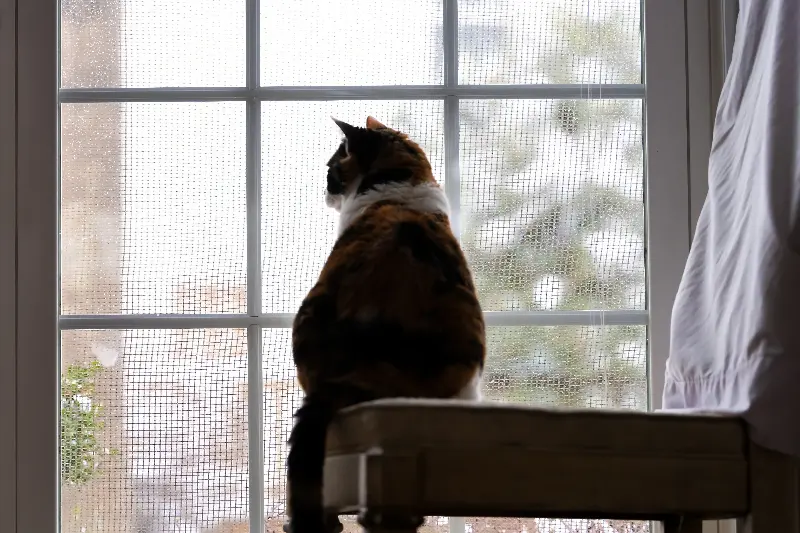
Indoor cats are often seen as low‑maintenance pets—independent, quiet and content to sleep most of the day. But experts say a life spent entirely indoors can sometimes leave cats mentally under‑stimulated.
A continued lack of stimulation doesn’t just make life boring for your pet, it that can also affect both their behavior and physical health in ways that are easy to miss.
Dr. Ann Hohenhaus, veterinarian at the Schwarzman Animal Medical Center, told Newsweek that indoor cats can indeed become under-stimulated, though the signs are not always obvious.
“Signs of an under-stimulated cat can be hard to differentiate from signs of illness,” she explains.
Behaviors linked to boredom and stress can closely mirror medical issues, making them difficult for owners to spot.
Some of the most common warning signs are often mistaken for normal behavior. While cats are known for being independent, Hohenhaus notes that constant hiding may indicate stress.
Other signs include avoiding the litter box, changes in appetite, vomiting, or diarrhea—especially during disruptions like new household members being introduced or changes in routine. Overgrooming may also signal boredom, though it can sometimes point to underlying health conditions.
Heather Alvey, a certified cat behaviorist, says under-stimulation is behind many of the cases she sees. Cats may respond with house soiling, excessive vocalization, destructive behavior, aggression, overgrooming, or even PICA—eating non-food items.
She also challenges the idea that cats are low-maintenance. While they sleep often, sleeping all day can signal boredom rather than contentment.
A lack of mental stimulation can also impact physical health. Hohenhaus explains that bored cats may pester owners for attention, which is often mistaken for hunger. This can lead to overfeeding, weight gain and related health problems.
“Bored cats may pester their family for attention, which can be misconstrued as asking for food. Overfeeding a cat leads to weight gain and that in turn causes health issues,” she said.
Dr. Chyrle Bonk adds that these behavioral changes can have further consequences. Cats may become destructive, injure themselves, or develop issues like urinary tract infections from eliminating outside the litter box.
Experts agree that enrichment is essential. Cats are natural hunters, climbers and explorers, and their environment should reflect those instincts. Window perches, cat trees, and interactive toys can help recreate elements of the outside world.
“Cats that have a strong prey drive, like Bengals, Abyssinians, or Norwegian Forest Cats may have difficulty indoors because they aren’t able to satisfy that normal craving. Also, overly active cats, like Siamese, that aren’t provided the exercise can have trouble,” Bonk said.
Hohenhaus suggests rotating toys and using simple items like boxes or paper bags to keep things interesting, while also considering sensory enrichment such as catnip or silver vine.
Daily interaction plays a key role, though needs vary. Bonk says that, as a general rule, around 30 minutes of interaction per day is enough for most cats, though younger or more energetic cats may need more. For solo cats especially, regular play and attention from their owners are crucial.
Outdoor access isn’t necessary to meet a cat’s needs, but it can enhance their environment if done safely. Options like harness training or enclosed outdoor spaces like catios allow cats to experience fresh air and stimulation without added risk.
Ultimately, not all cats respond to indoor living in the same way. Personality, energy levels, and past experiences all shape how well they adapt. Some thrive, while others may struggle if their needs aren’t fully met.
One simple improvement can make a difference: creating a safe, quiet retreat. Providing a comfortable hiding space gives cats a place to decompress and feel secure.
Without proper stimulation, an indoor cat’s world can become limited—but with the right environment and interaction, it doesn’t have to be.
Do you have funny and adorable videos or pictures of your pet you want to share? Send them to [email protected] with some details about your best friend and they could appear in our Pet of the Week lineup.