



Raising a resilient baby starts long before they take their first steps or say their first words. The foundation for emotional strength, confidence, and adaptability is built in the earliest months of life—through the small, consistent ways parents interact, nurture, and respond.
Psychologists say resilience isn’t something a child is simply born with; it is shaped daily by the environment and caregivers around them. From how parents handle stress to the way they encourage exploration, every routine moment counts.
Newsweek spoke to two experts to find out what parents can do to teach their children the ability to adapt and recover from adversity, trauma, or stress.
“Even before a baby can speak, the foundations for resilience start forming within the primary attachment relationship,” Dr. Ashleigh Powell, a chartered clinical psychologist, told Newsweek, adding that infants tend to learn how to cope with emotions through their primary caregiver.
“When they are distressed, each small moment when a caregiver helps settle and soothe them teaches the child’s brain that they can cope with big feelings and that difficult emotions can be calmed.”
Respond With Warmth To Build Early Resilience
Powell said that resilience “can be nurtured from birth,” as babies are learning how to co-regulate with their caregivers.
She added: “Co-regulation is when a parent provides soothing and offers encouragement to try again or move forward with their day.”
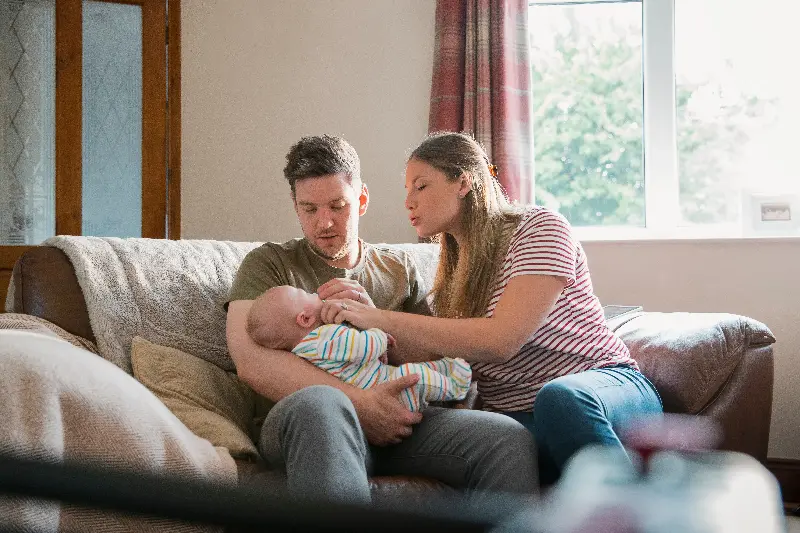
When caregivers respond warmly to their baby’s cries—through gentle eye contact, soothing words, or soft rocking—they are teaching them that comfort and safety follow distress.
“This helps build a secure attachment and bond with the baby, which is important for developing independence and resilience later on,” Powell said.
Practice Co-Regulation To Build Emotional Resilience
When a baby or toddler has a meltdown or feels overwhelmed, parents can see it as an opportunity to teach resilience. At this age, children can’t yet manage big emotions on their own—they rely on co-regulation, which means parents help them calm down and feel safe.
Powell told Newsweek: “Gently naming an infant’s emotions, even if they are not yet verbal, helps them learn that emotions can be understood and not feared.
“For example, ‘you were startled by that noise and felt scared but that’s OK,’” said Powell.
“Every repair after tears helps them feel seen, soothed and supports them manage emotions.”
Create Predictable Routines
Powell, the co-founder of Regal Private Therapy Practice based in the Harley Street medical district of London, added that babies thrive on routine. Predictability lowers stress hormones and builds the sense of security that forms the foundation of resilience.
Powell said: “Daily routines that bring connection are important such as cuddles or bedtime songs that create a rhythm that the infant’s nervous system recognizes.”
Let Your Baby Struggle (a Little)—Frustration Builds Resilience
It might be tempting to step in when your baby gets frustrated stacking blocks or trying to fit shapes together—but that effort and persistence are how resilience grows.
Charlotte Cook, a psychotherapist with over 25 years of experience working with children, young people, and families, told Newsweek that parents should fight the urge to help their kids, when it is safe to do so.
“If you do help, you will be creating a level of independence that actually halts the development of resilience because they won’t have to use their own minds and manage their own feelings of frustration because you’ll be doing it for them,” Cook said.
“So, let them do it and let them get frustrated. You can control the feelings by saying things like, ‘It’s so frustrating when it doesn’t work isn’t it? Give it another go.'”
Model Calm and Repair To Teach Your Child Resilience
Cook is the founder of The Thinking Pod, a parenting consultancy that helps parents and caregivers better understand and support their children’s emotional world.
When things go wrong—whether for you or your child—how you respond matters.
Cook, from Wales, said: “When something goes wrong, do you just give up or do you find another way?
“Whichever way you respond, your child will be observing this; so think about how you respond when things go wrong and how you would like your child to respond and then model the way.”
As Powell and Cook both emphasize, resilience grows through connection, consistency, and care. By creating a safe environment where a baby feels seen, soothed, and supported, parents are not just comforting their child in the moment—they are helping them develop the confidence to face life’s challenges with courage and calm.