



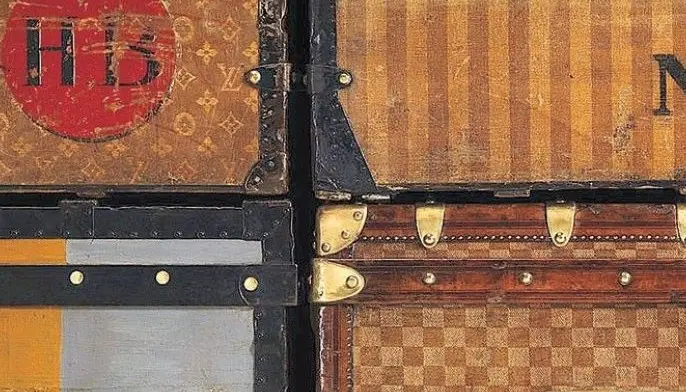
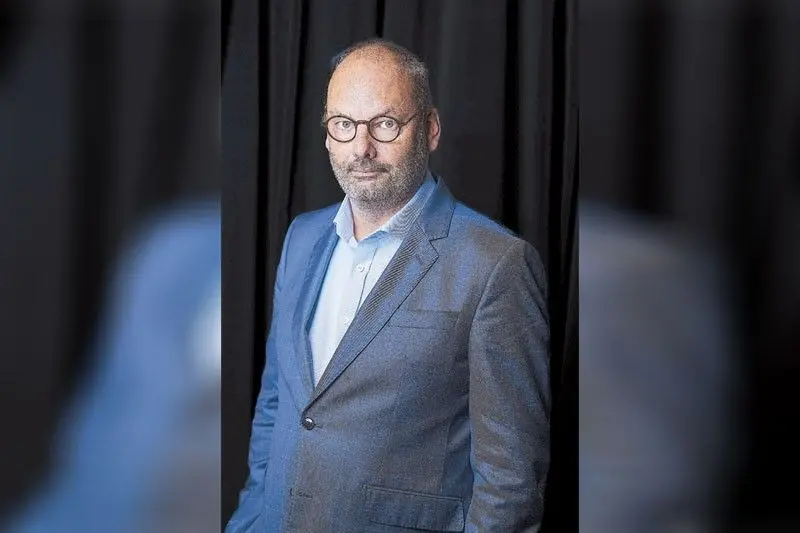
‘I was born and raised in Asnière in 1974, at a time when the Monogram was at the heart of Louis Vuitton. It was a constant presence in my life, not only as a pattern, but as part of my everyday surroundings. The Monogram carries a deeply personal significance for me.’
Louis Vuitton marks 130 years of its signature canvas through five timeless bags and the journeys that made them enduring.
Some symbols arrive fully formed. Others take time — absorbing memory, movement, and meaning until they become inseparable from the lives that carry them. The Louis Vuitton Monogram belongs to the latter. As Louis Vuitton marks 130 years of its most enduring emblem in 2026, the celebration feels less like a commemoration than a meditation on how a signature learned how to live.
Created in 1896 by Georges Vuitton as a tribute to his father, the Monogram did not exist at the birth of the House. “That’s one of the things people often forget,” says Pierre-Louis Vuitton, a sixth-generation member of the Vuitton family. “When Louis Vuitton arrived in 1854, the Monogram wasn’t there yet. He never actually saw it.”
What defined the House in its earliest years was not ornament but innovation: flat-topped trunks in waterproof Gris Trianon canvas, designed for stacking, durability, and modern travel. The Monogram would come later — born not only from necessity, but from memory.
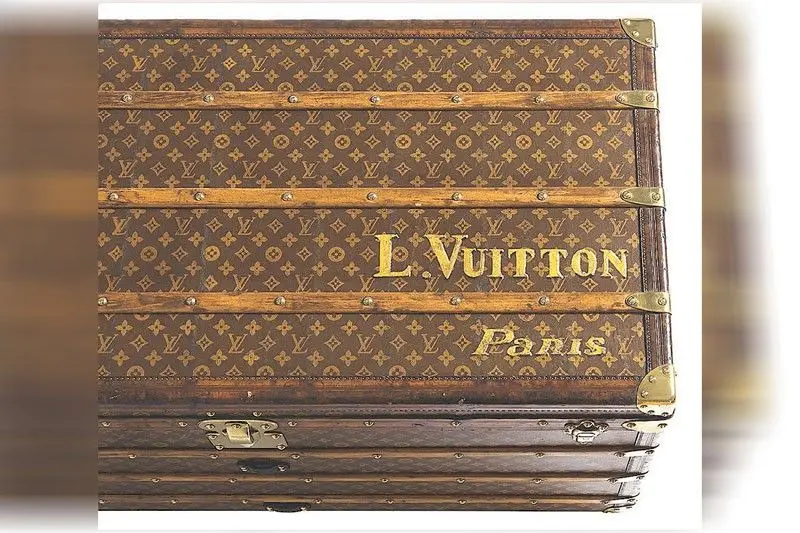
When Georges Vuitton conceived the Monogram four years after his father’s death, he was responding to a world already grappling with imitation. But rather than simply protecting the House’s creations, he chose to express its identity. Interlacing the LV initials with floral motifs inspired by Gothic cathedral ornamentation and the influence of Japonism, Georges designed a pattern that was both decorative and disciplined, expressive yet precise.
“Once Georges developed the Monogram canvas, it eclipsed all the other motifs and became extremely important for the House,” reflects Pierre-Louis, who now heads the House’s Savoir-faire. Protection became philosophy; function became authorship.
The Monogram was shaped by the cultural currents of its time. Late-19th-century Paris was alive with artistic exchange — Neo-Gothic revival, Japonism, and the first murmurs of modernism coexisting in dialogue. Georges Vuitton absorbed these influences intuitively. Pierre-Louis recalls growing up in Asnières, surrounded by patterned kitchen tiles and domestic details that echoed those same motifs. “I can easily imagine Georges Vuitton, before heading to his workshop, drinking his morning coffee in front of those tiles,” he says. “Perhaps, in that quiet moment, the inspiration for the Monogram began to take shape.” It is a reminder that even the most iconic designs often begin in stillness.
From the moment it appeared, woven on jacquard looms in linen, the Monogram was designed to travel. Lighter than leather yet remarkably resilient, it adorned trunks that crossed continents by rail and steamer, becoming synonymous with the art of moving beautifully. As journeys evolved, so did the canvas. Early stencil techniques refined its tonal depth; later, the pivotal innovation of 1959 transformed the Monogram into a supple, waterproof material, allowing it to move beyond rigid trunks into soft bags. This technical breakthrough marked a turning point, bringing the Monogram closer to the body — and to everyday life.
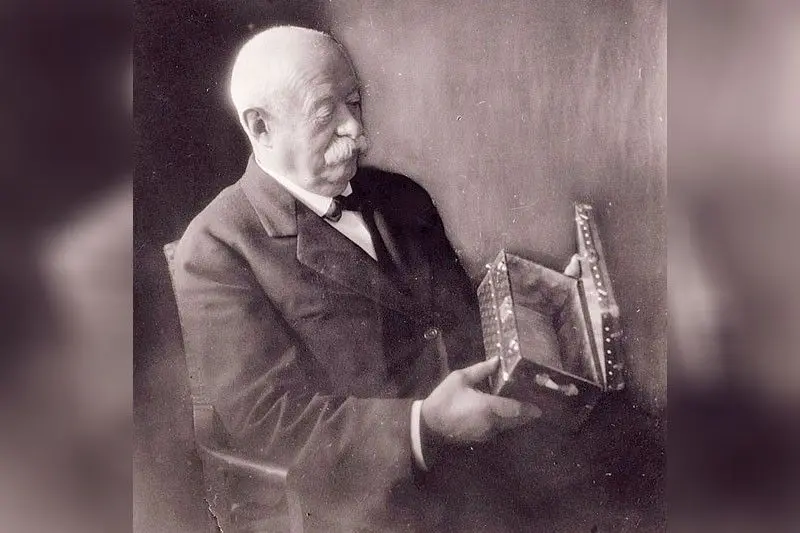
Working with Monogram canvas requires a great deal of precision, Pierre-Louis notes. “When you start working on large pieces of luggage, cutting the canvas and placing it correctly is a skill in itself.” The pattern’s apparent simplicity conceals a demanding discipline: alignment, symmetry, and balance must be exact. In the ateliers, savoir-faire is measured not only in craftsmanship, but in restraint.
That evolution — from object to companion — gave rise to five bags that would come to define modern luxury. The Speedy, introduced in 1930, captured a growing fascination with speed and mobility. Originally conceived as a compact travel bag, it embodied the House’s desire to create something light, supple, and adaptable — an object designed to move effortlessly between journeys and daily life. Over time, it became one of Louis Vuitton’s most enduring companions, continually reinterpreted while remaining unmistakably itself.
Launched the same year, the Keepall reimagined travel itself. Soft where trunks were rigid, generous without being cumbersome, it embodied a new optimism about movement — weekends, spontaneity, freedom. Designed to fold flat inside a suitcase, it reflected an understanding of modern life that remains remarkably current. Its appeal lies not in excess, but in adaptability.
The Noé, created in 1932 to carry five bottles of champagne, stands as one of the House’s most poetic acts of practicality. Its drawstring closure and relaxed silhouette transformed utility into charm, embracing a sense of ease that feels instinctively modern. Worn without ceremony and softened by time, the Noé captured a certain insouciance — the idea that luxury could be generous, imperfect, and deeply human.
Introduced in 1992 and named after Place de l’Alma in Paris, the Alma distills architectural precision into a refined, feminine form. Drawing on Art Deco geometry and earlier travel designs, its structured curves and balanced proportions reflect a quiet authority — elegant, composed, and timeless.
Then came the Neverfull. Introduced in 2007, it translated Louis Vuitton’s travel heritage into contemporary life. Remarkably light yet extraordinarily strong, it was designed to adapt—capable of carrying daily essentials while folding flat inside a suitcase. Its enduring appeal lies in its intuition: a bag shaped by real use, movement, and modern rhythm.
What unites these icons is not nostalgia, but continuity. The Monogram has endured because it has remained open — to innovation, to interpretation, to culture. “Over time, artists and designers embraced it, giving it new life,” Pierre-Louis says. “It functions as both a product and a canvas.” From creative directors to artists, the Monogram has proven itself endlessly receptive, capable of transformation without losing its essence.
This philosophy underpins the Monogram Anniversary Collection, which opens the 130th year with three expressions. Monogram Origine revisits the earliest canvas through a linen-and-cotton blend softened by archival hues, evoking the intimacy of memory. VVN celebrates natural leather, allowing time itself to leave its mark through patina and touch. Time Trunk transforms historic trunks into trompe-l’œil illusions, collapsing centuries of trunkmaking savoir-faire into a single, audacious gesture.
For Pierre-Louis, anniversaries are not about nostalgia, but momentum. They are opportunities to look forward while honoring what endures. After 130 years, the Louis Vuitton Monogram is no longer simply a pattern. It is a witness — to changing modes of travel, shifting ideas of elegance, and the lives of those who carried it. It has absorbed memory, movement, and meaning. Quietly, beautifully, it has learned how to live.