



Chasing Glaciers, Geysers and the Northern Lights in the Land of Fire and Ice
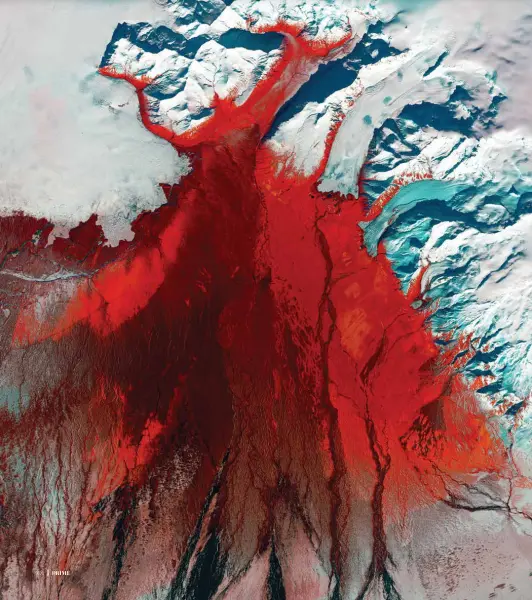
A striking aerial view of glacial meltwater flowing across Iceland’s rugged volcanic terrain.
Why Iceland Is Called the Land of Fire and Ice
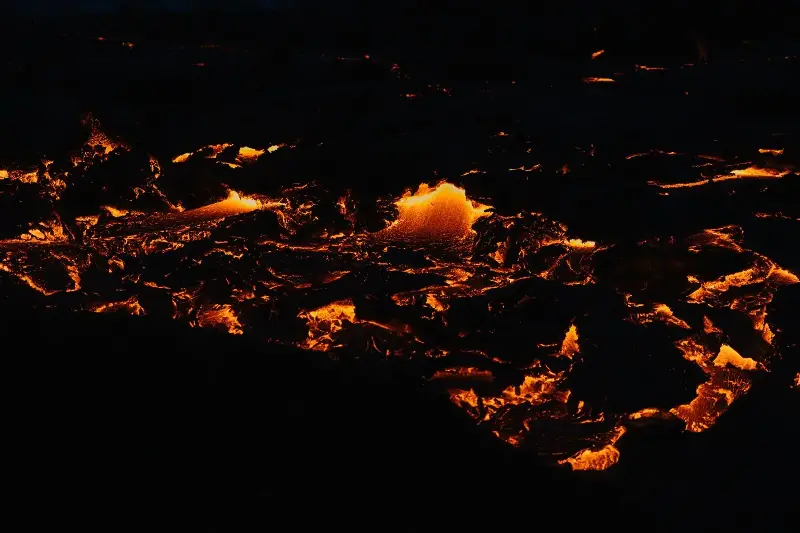
Glowing lava cuts through the darkness — the “fire” in Iceland’s Land of Fire and Ice.
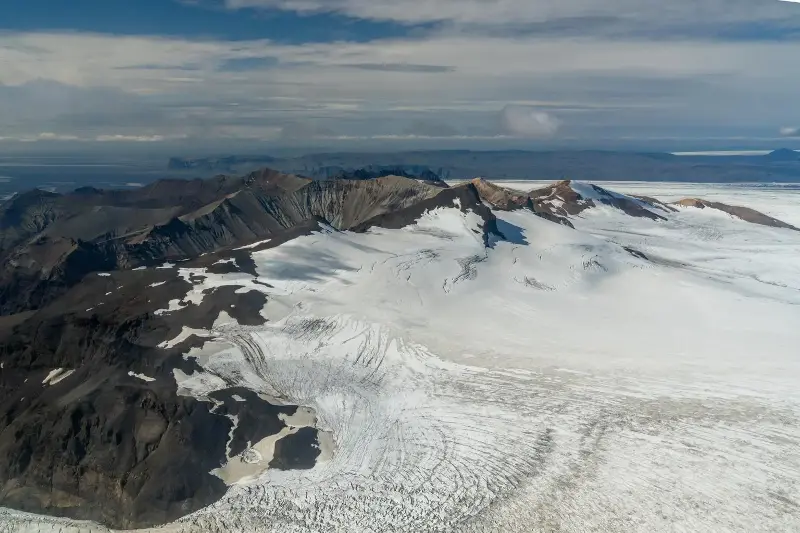
Where fire meets ice — glaciers spread across Iceland’s volcanic highlands.
Iceland’s nickname — the Land of Fire and Ice — perfectly captures the dramatic forces that shape the island.
The country sits directly on the boundary between the North American and Eurasian tectonic plates. As these plates slowly move apart, magma rises from deep beneath the Earth’s crust. This geological activity fuels Iceland’s volcanoes, geysers and natural hot springs — the “fire” that defines much of the landscape.
The “ice” comes from Iceland’s glaciers. Massive ice caps, including Vatnajökull — the largest glacier in Europe — cover around 10–11 percent of the country. These glaciers carve valleys, feed powerful rivers and create stunning glacial lagoons dotted with floating icebergs.
The contrast between volcanic heat and ancient ice gives Iceland a landscape unlike anywhere else in the world.
Getting to and Around Iceland
Most international travellers arrive at Keflavík International Airport, located about 45 minutes from the capital city of Reykjavík.
From the airport, several transport options connect visitors to the city centre:
-
Flybus airport shuttle – about US$28 (~S$38)
-
Airport Direct Economy – about 3,290 ISK (~S$36)
-
Airport Direct Premium – around 6,590 ISK (~S$72)
-
Strætó public bus service – roughly 480 ISK (~S$5), the most economical option
Taxi rides between the airport and Reykjavík cost about 15,000 ISK (~S$165) one way.
While Reykjavík itself is compact and easy to explore on foot, the real beauty of Iceland lies beyond the capital. Renting a car is the most flexible way to discover the island’s dramatic landscapes.
Major international rental companies such as Hertz, Budget and Avis operate at Keflavík Airport, alongside local providers like Bílaleiga Akureyrar, Iceland’s largest car rental company.
Visitors from Singapore should note that driving in Iceland is on the right-hand side of the road, and weather conditions can change rapidly. Strong winds are common throughout the year, and winter brings icy roads and snowstorms.
Even in summer, a four-wheel or all-wheel drive vehicle is recommended for safety and comfort.
For travellers who prefer not to drive, bus tours are a convenient alternative. Companies such as Reykjavík Excursions offer a wide range of guided tours and scheduled services connecting major attractions around the island.
Reykjavík: Iceland’s Small but Vibrant Capital
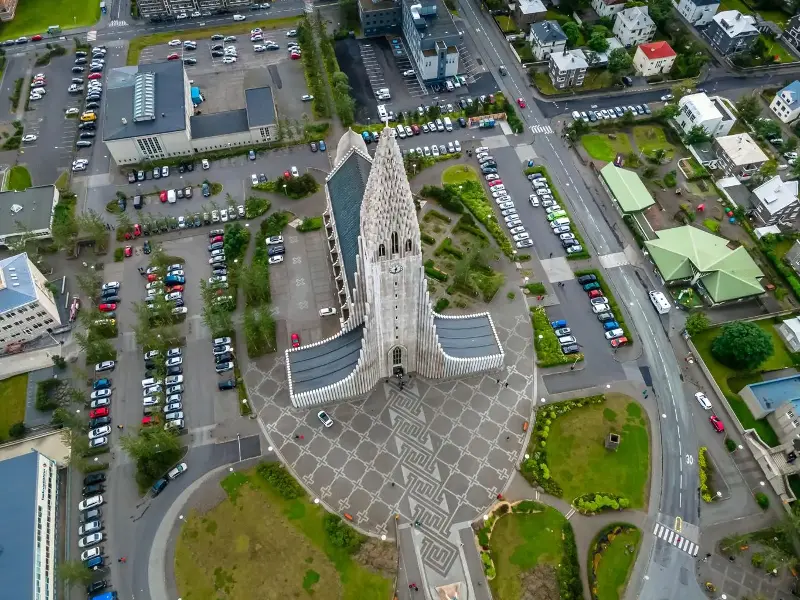
The striking Hallgrímskirkja Church dominates Reykjavík’s skyline, inspired by Iceland’s basalt lava formations.
Hallgrímskirkja and Harpa Concert Hall
Nearly every journey through Iceland begins in Reykjavík, the world’s northernmost capital city.
Despite its small size, Reykjavík has a vibrant personality. Colourful houses line the streets, street art decorates buildings, and the harbour offers sweeping views across the North Atlantic.
One of the city’s most iconic landmarks is Hallgrímskirkja Church. Inspired by Iceland’s basalt lava columns, the church dominates Reykjavík’s skyline. Visitors can ride an elevator nearly 74 metres to the top of the tower for panoramic views of the city and surrounding mountains.
Another architectural highlight is Harpa Concert Hall. This award-winning building is famous for its shimmering glass façade. Sunlight reflects off its honeycomb panels during the day. At night, the structure glows with shifting colours.
Reykjavík’s Geothermal Pools
One of the most authentic Icelandic experiences can be found in a surprising place — the local swimming pool.
Thanks to Iceland’s abundant geothermal energy, heated pools and hot tubs are affordable and widely used by locals. Reykjavík alone has 18 public swimming pools. Many include indoor and outdoor pools, hot tubs and saunas.
For around 1,030 ISK (~S$11), visitors can enjoy what feels like an outdoor spa — even in winter.
Exploring Downtown Reykjavík
Downtown Reykjavík is best explored on foot. Instead of rows of tourist souvenir shops, you will find independent boutiques selling Icelandic wool clothing, handmade crafts and volcanic stone jewellery.
A stroll along the waterfront leads to the striking Sun Voyager sculpture. This stainless-steel artwork resembles a Viking ship and is one of the best places in the city to watch the sunset.
Visitors may also explore the quirky Icelandic Phallological Museum. It houses the world’s largest collection of animal penises and phallic artefacts.
Nearby, the Old Harbour district is the departure point for whale-watching tours and puffin excursions.
Travellers who enjoy guided experiences can join City Walk Reykjavík, a popular two-hour walking tour that introduces the city’s history and culture in an entertaining way.
Chasing the Northern Lights
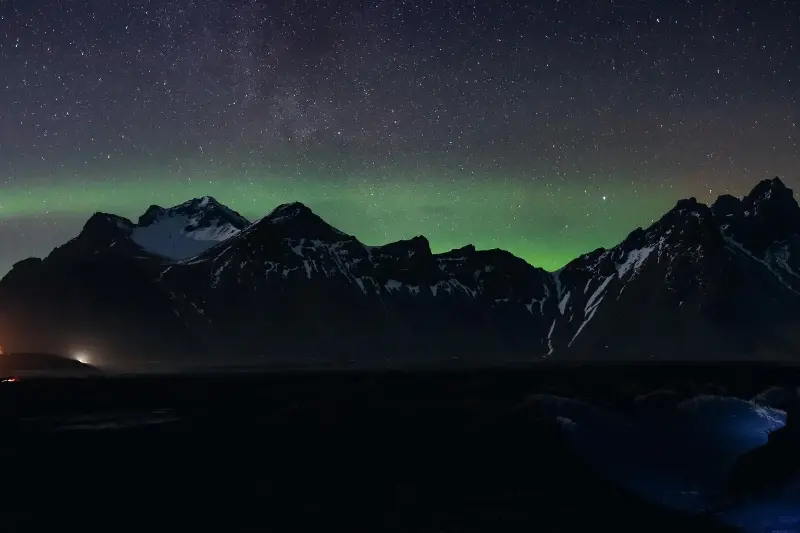
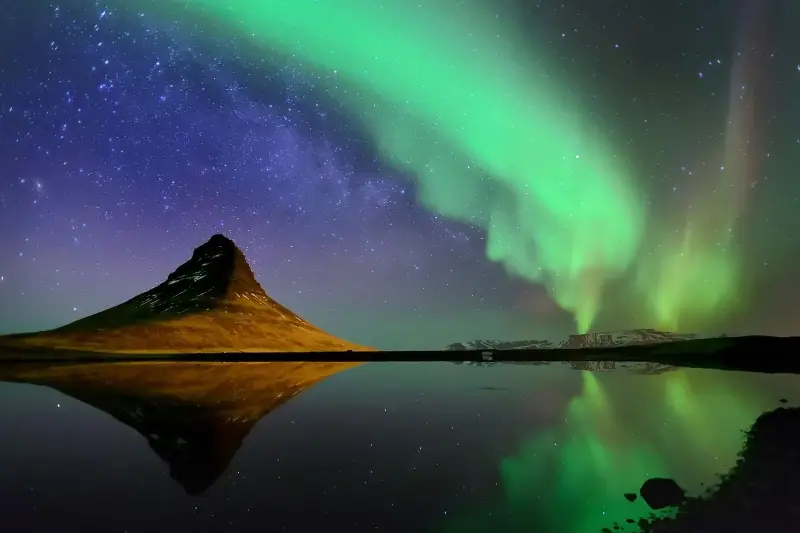
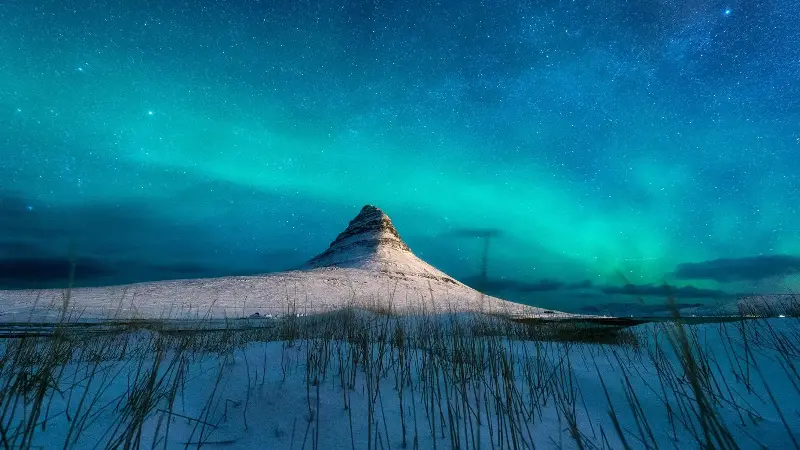
The Northern Lights illuminate Iceland’s night sky above the dramatic peak of Kirkjufell.
Few natural phenomena are as magical as the Northern Lights.
These dancing curtains of green, purple and red light appear when charged particles from the sun collide with Earth’s magnetic field high in the atmosphere.
Iceland sits at around 65° north latitude, making it one of the best places in the world to witness the aurora borealis.
The best viewing season runs from mid-September to mid-April, when nights are long and dark.
While strong displays can occasionally be seen from Reykjavík, the best strategy is to drive away from city lights. Locations such as Þingvellir National Park, the Reykjanes Peninsula, and remote countryside hotels offer spectacular viewing opportunities.
On a clear winter night, the sky can suddenly ignite with shimmering ribbons of light — a sight many travellers describe as the highlight of their trip.
Break the Golden Circle Section
Golden Circle Tour
No trip to Iceland is complete without exploring the Golden Circle. This famous route stretches about 250 kilometres and showcases three of Iceland’s most spectacular natural landmarks.
Most visitors explore the Golden Circle on a day trip from Reykjavík.
Geysir Geothermal Area
The first stop for many visitors is the Geysir Geothermal Area. Here, boiling earth and steaming vents reveal Iceland’s volcanic power.
The original Great Geysir gave its name to geysers around the world. Today it erupts only occasionally. Fortunately, its neighbour Strokkur erupts every five to ten minutes, shooting hot water up to 20 metres into the air.
Gullfoss Waterfall
Next comes Gullfoss, one of Iceland’s most famous waterfalls.
Powerful glacial water plunges down two dramatic tiers into a canyon carved during the last ice age. On sunny days, mist rising from the waterfall often creates brilliant rainbows.
Þingvellir National Park
The final highlight is Þingvellir National Park, a UNESCO World Heritage Site.
The park lies in a rift valley where the North American and Eurasian tectonic plates slowly drift apart. Visitors can literally walk between two continents while exploring lava fields, forests and crystal-clear streams.
Adventure Activities
Many tour operators add extra adventures to Golden Circle itineraries.
Qualified snorkellers and divers can explore Silfra, a freshwater fissure famous for its crystal-clear water. Adventurous travellers can also snowmobile on Langjökull Glacier, departing from the Gullfoss area.
Whale Watching in Húsavík
Iceland’s surrounding seas are rich with marine life, making the country one of the best destinations in Europe for whale watching. More than 20 species of whales, dolphins and porpoises have been recorded in Icelandic waters.
While tours depart from several ports, including Reykjavík and Akureyri, the most renowned location is the small northern town of Húsavík.
Often referred to as the whale-watching capital of Europe, Húsavík sits beside Skjálfandi Bay, a nutrient-rich stretch of water that attracts large numbers of marine animals during the summer months. Humpback whales are frequent visitors and are often spotted breaching or slapping their tails against the water. Harbour porpoises and white-beaked dolphins are also commonly seen.
On especially fortunate days, travellers may even encounter rarer species such as blue whales, fin whales or orcas.
Summer is also nesting season for many seabirds, particularly the beloved puffin, whose colourful beaks and clumsy flight make them one of Iceland’s most photographed birds. Many whale-watching tours combine marine sightings with visits to nearby puffin nesting grounds, offering an unforgettable glimpse of Iceland’s vibrant wildlife.
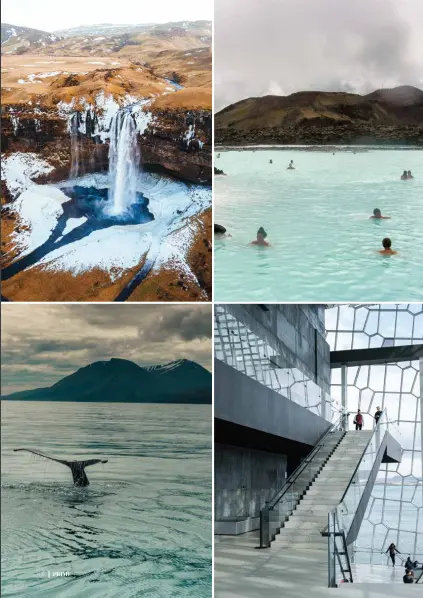
The many faces of Iceland: powerful waterfalls, steaming geothermal pools, whale watching and world-class architecture.
Lake Mývatn
About an hour’s drive from Akureyri, Lake Mývatn is one of Iceland’s most fascinating geological landscapes.
The lake and surrounding region were formed by a series of volcanic eruptions more than 2,000 years ago, leaving behind a surreal terrain of lava formations, geothermal fields and crater lakes. The name “Mývatn” translates to “Midge Lake,” referring to the small flies that gather around its nutrient-rich waters during the summer months.
Despite the insects, the lake is a haven for wildlife. Numerous bird species gather here each summer, making the area particularly attractive to birdwatchers.
The surrounding landscape is equally extraordinary. Pseudo-craters — formed when lava flowed over wetlands — dot the shoreline, creating perfectly rounded volcanic formations that visitors can walk around and explore.
Nearby lies Dimmuborgir, an eerie lava field whose towering formations resemble a dark fortress. Hidden within this landscape is Grjótagjá, a geothermal cave hot spring made famous by a memorable scene in the television series Game of Thrones. While bathing is no longer allowed due to fluctuating temperatures, the cave remains a popular stop for visitors.
Those wishing to soak in geothermal waters can instead visit the Mývatn Nature Baths, often described as the quieter northern cousin of the Blue Lagoon.
Driving the Ring Road
For travellers seeking maximum freedom, self-driving the Ring Road is one of the best ways to explore Iceland.
Also known as Route 1, the Ring Road stretches about 1,332 kilometres, looping around the entire island and connecting many of Iceland’s most famous attractions. The road links Reykjavík in the south with Akureyri in the north, while passing through dramatic landscapes that constantly shift from glaciers to waterfalls to volcanic plains.
Driving allows visitors to travel at their own pace and adapt plans according to Iceland’s famously unpredictable weather.
Along the route, travellers can discover a remarkable range of sights, including the cascading Seljalandsfoss and Skógafoss waterfalls, the mighty glaciers of Mýrdalsjökull and Eyjafjallajökull, and the striking black sand beach of Reynisfjara. Further east lies Jökulsárlón Glacier Lagoon, where icebergs drift slowly toward the Atlantic Ocean.
The Ring Road also leads to Iceland’s largest forest, Hallormsstaðaskógur, the mysterious Lagarfljót Lake, and the magnificent Goðafoss waterfall. Along the way, travellers will pass quiet villages, historic churches and scenic viewpoints that make every stretch of road feel like a discovery.
Hiking Iceland’s Legendary Trails
For outdoor enthusiasts, Iceland offers some of the most breathtaking hiking trails in the world.
One of the most famous is the Laugavegur Trail, a 55-kilometre trek between Landmannalaugar and Þórsmörk in southern Iceland. The trail winds through a constantly changing landscape of colourful rhyolite mountains, geothermal hot springs, glaciers and rushing rivers.
Despite its remote setting, the trail is relatively accessible thanks to clearly marked routes, mountain huts and campsites along the way. Trekkers can stay in huts for about 4,600 ISK (~S$50) per night or camp nearby for around 1,200 ISK (~S$13).
For those seeking a shorter adventure, the Fimmvörðuháls Trail between Þórsmörk and Skógar offers equally spectacular scenery. This trail passes waterfalls, volcanic craters and lava fields, and can be completed in a single long day or split into two days with an overnight stay in mountain huts.
Icelandic Food
Icelandic cuisine reflects centuries of life on a remote island where people relied on what nature provided.
Some traditional dishes may surprise visitors, but they are deeply rooted in the country’s history.
A good starting point is hangikjöt, a traditional smoked lamb dish often served during festive occasions. The meat is typically boiled and served with potatoes, green peas and béchamel sauce, or sliced thinly and enjoyed on bread.
Another Icelandic staple is skyr, a cultured dairy product similar in texture to Greek yoghurt but milder in flavour. Rich in protein and low in fat, skyr has been part of Icelandic cuisine for over a thousand years and is commonly served with milk, sugar or berries.
More adventurous diners may want to try hákarl, cubes of fermented shark meat famous for its strong ammonia scent and intense flavour. Other traditional foods include þorramatur, a selection of preserved meats and fish, and svið, a boiled sheep’s head dish.
While these foods may not appeal to everyone, tasting them offers a glimpse into Iceland’s resilient culinary traditions.
A Truly Unique Destination
Few places on Earth offer landscapes as dramatic and diverse as Iceland.
From glaciers and volcanoes to waterfalls and geothermal pools, the country delivers a natural spectacle that feels both raw and unforgettable. Although Iceland may not be the cheapest destination in Europe, the experiences it offers are unlike anywhere else.
For travellers seeking something beyond the usual European cities — somewhere wild, beautiful and extraordinary — Iceland truly lives up to its reputation as the Land of Fire and Ice.
So start planning, start saving, and prepare for a journey you are unlikely to forget. PRIME