



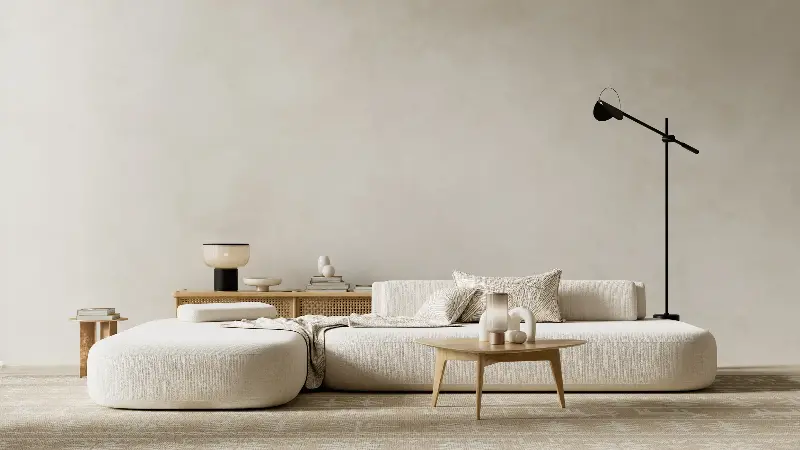
Bright Scandinavian interior with clean walls and minimalist design
For many people, decluttering begins as a practical task — clearing space, tidying rooms, organising belongings. But around the world, different cultures have long understood that letting go is not just about the home. It is about the mind, relationships, and how we move through life.
Marie Kondo brought global attention to the idea of keeping what sparks joy. More recently, Swedish death cleaning has encouraged a gentler, more reflective approach centred on care for loved ones. Yet these are only two examples in a wider landscape of philosophies that see decluttering as a way of living well.
Looking beyond any single method reveals something deeper: decluttering is often a mirror of what a culture values most — joy, balance, peace, responsibility, or freedom.
Decluttering as a Reflection of Life Stage

Used clothes and cardboard box
One reason decluttering philosophies differ is that they often speak to different moments in life.
In earlier years, people tend to focus on identity, expression, and possibility. Later on, priorities often shift towards simplicity, clarity, and legacy. What we keep — and what we choose to let go of — changes as our understanding of “enough” evolves.
Seen this way, decluttering is not a one-time project, but an ongoing conversation with ourselves.
Marie Kondo: Finding Joy in the Present

Asian woman decluttering room
The Marie Kondo method encourages people to keep only items that “spark joy”. It is upbeat, personal, and centred on emotional awareness.
This approach resonates strongly with those who feel overwhelmed by excess or disconnected from their surroundings. By tuning into how objects make us feel, the process becomes less about rules and more about self-knowledge.
At its heart, this philosophy asks: What makes my life feel lighter and happier right now?
For many, especially during busy or accumulation-heavy stages of life, this can be a powerful reset.
Swedish Death Cleaning: Choosing Peace for the Future
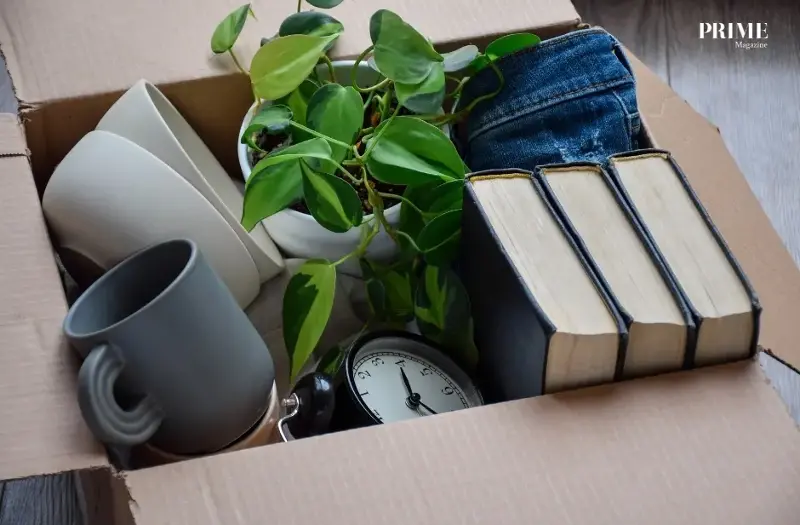
Cardboard box packed with personal belongings decluttering
Swedish death cleaning approaches decluttering from a quieter place. Rather than focusing on joy, it emphasises intention, responsibility, and care.
The guiding question is not “Do I love this?” but “Would I want someone else to deal with this one day?”
Often embraced in midlife or later, Swedish death cleaning reflects a shift in perspective — from self-expression to stewardship, from accumulation to meaning. It recognises that our belongings do not exist in isolation, and that clarity can be a gift to family members left behind.
This philosophy reframes decluttering as an act of kindness rather than loss.
Lagom: The Scandinavian Idea of “Just Enough”

Organized Minimalist Wooden Wardrobe
Another Nordic concept quietly shaping how people think about decluttering is lagom, a Swedish word that roughly translates to “not too much, not too little — just right”.
Unlike decluttering methods that involve major clear-outs, lagom is not about dramatic change. It is about ongoing balance. Instead of waiting until a home feels overwhelming, lagom encourages regular, gentle adjustments — noticing when something feels excessive and recalibrating before clutter takes hold.
In daily life, this might mean:
-
Owning enough clothes to feel comfortable, but not so many that choice becomes stressful
-
Keeping meaningful objects visible and used, rather than stored and forgotten
-
Letting go of excess gradually, without guilt or urgency
Lagom reflects a broader Scandinavian mindset that values sustainability, moderation, and ease. Applied to the home, it asks not “What can I remove?” but “What is enough for me to live well?”
For readers who feel exhausted by extremes — minimalism on one end and constant accumulation on the other — lagom offers a calming middle path. It is not about perfection, but about creating a home that supports everyday life without demanding constant attention.
Danshari: Letting Go of Attachment, Not Just Objects
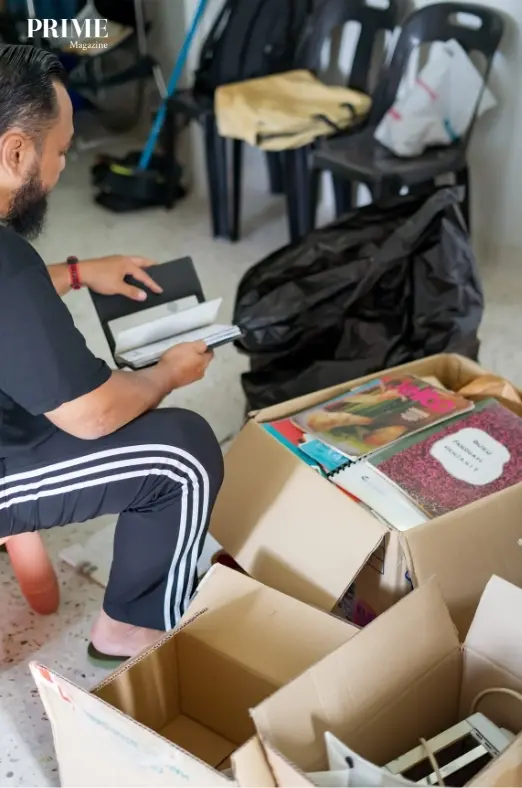
Man Sorting and Preparing Items for Storage in Boxes
From Japan comes danshari, a decluttering philosophy that goes beyond tidying and into the emotional reasons we hold on.
The word is made up of three ideas:
-
Dan — refusing what is unnecessary
-
Sha — discarding what no longer serves
-
Ri — releasing emotional attachment
Unlike methods that focus on joy or practicality, danshari looks inward. It encourages people to examine why they keep things — fear of regret, guilt, habit, or the belief that letting go is wasteful.
In practice, danshari might involve noticing:
-
Items kept “just in case”, even when they have not been used for years
-
Objects tied to past versions of ourselves we have outgrown
-
Emotional weight attached to gifts, obligations, or expectations
The goal is not to strip life of meaning, but to loosen the grip of possessions that quietly drain mental energy. By releasing attachment, people often find they gain clarity, lightness, and a greater sense of control over their space and emotions.
Danshari resonates strongly with those seeking not just a tidy home, but mental freedom — especially during life transitions when priorities and identities shift.
Why These Ideas Resonate in Singapore Homes

Big Shelving Unit with Clothes, Accessories and Decor
In Singapore, where living spaces are compact and families often span generations, decluttering is rarely a purely personal matter.
Belongings are shared, inherited, stored, and revisited. Parents worry about burdening children. Adult children struggle with what to keep and what to let go of. Emotional ties to objects can be strong, especially when they represent sacrifice or history.
Global decluttering philosophies offer language and structure for conversations that can otherwise feel uncomfortable. They help normalise letting go — not as waste, but as care.
You Don’t Have to Follow Just One Philosophy
Perhaps the most freeing insight is this: you don’t have to choose one method and follow it perfectly.
You might begin by asking what sparks joy. Later, you may start considering what brings peace. Over time, you may find yourself drawn to balance, detachment, or intention.
Decluttering philosophies are not rules to obey, but lenses through which to view our lives.
Decluttering as a Way of Living Well
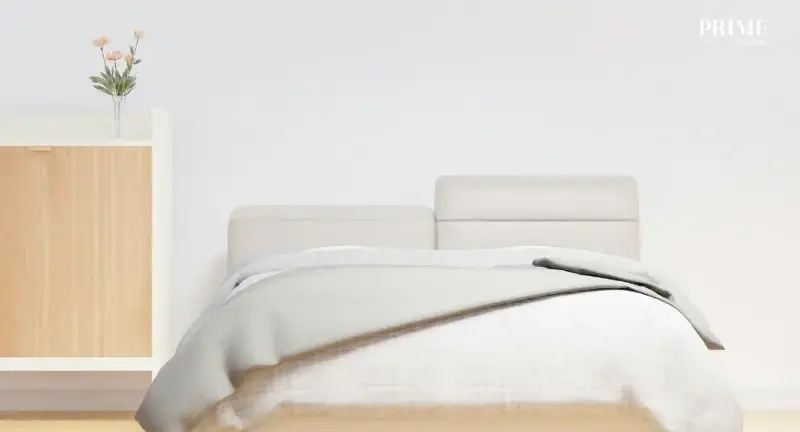
Minimalist bedroom for peace of mind.
When stripped of trends and labels, these global approaches share a common belief: that our environments shape how we feel, think, and relate to others.
Letting go — whether gently or deliberately — creates space. Not just on shelves or in cupboards, but for reflection, connection, and ease.
In that sense, decluttering is not really about having less. It is about choosing, with care, what truly deserves a place in our lives.
Living well is not about perfection. It is about intention — and the quiet confidence of knowing what is enough. PRIME