



Your home is more than just a place to live — it holds your memories, reflects your lifestyle, and increasingly, supports your comfort and wellbeing as your needs evolve.
As living spaces in Singapore become more compact, thoughtful home design is no longer just about aesthetics. It is about creating a functional, comfortable environment that adapts to changing lifestyles, family structures, and even physical needs over time.
Whether you are refreshing a single room or planning a full home makeover, here are practical considerations to help you make smarter, future-ready choices.
Space Optimisation: Making Smaller Spaces Work Better
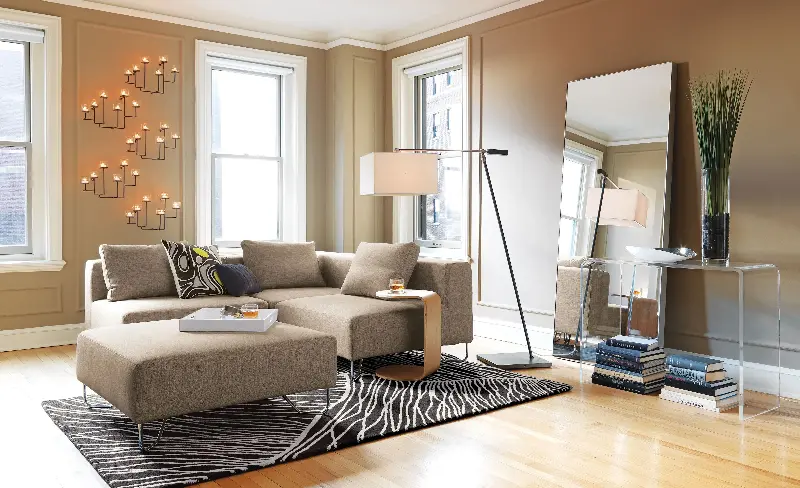
With urban living becoming the norm, many homes today — especially HDB flats and condominiums — are designed with limited floor space. For those who grew up with larger homes, this shift can take some adjustment.
In modern layouts, it is common to see combined living and dining areas, making efficient use of every square metre essential.
Practical ways to optimise your space:
-
Choose lighter colour palettes
Neutral and soft tones reflect light and create the illusion of a larger, more open space. -
Use mirrors strategically
Mirrors can visually “expand” a room and enhance natural light, making the space feel brighter and less confined. -
Incorporate multi-functional furniture
Look for pieces that serve more than one purpose — such as storage beds, extendable tables, or ottomans with hidden compartments. -
Maximise vertical space
Shelving and wall-mounted storage help reduce clutter without taking up valuable floor space. -
Keep walkways clear
This is especially important as we age, reducing the risk of trips and falls at home.
A well-optimised space is not just visually appealing — it also supports safer movement and better daily functionality.
Customisation: Comfort, Posture and Personal Fit
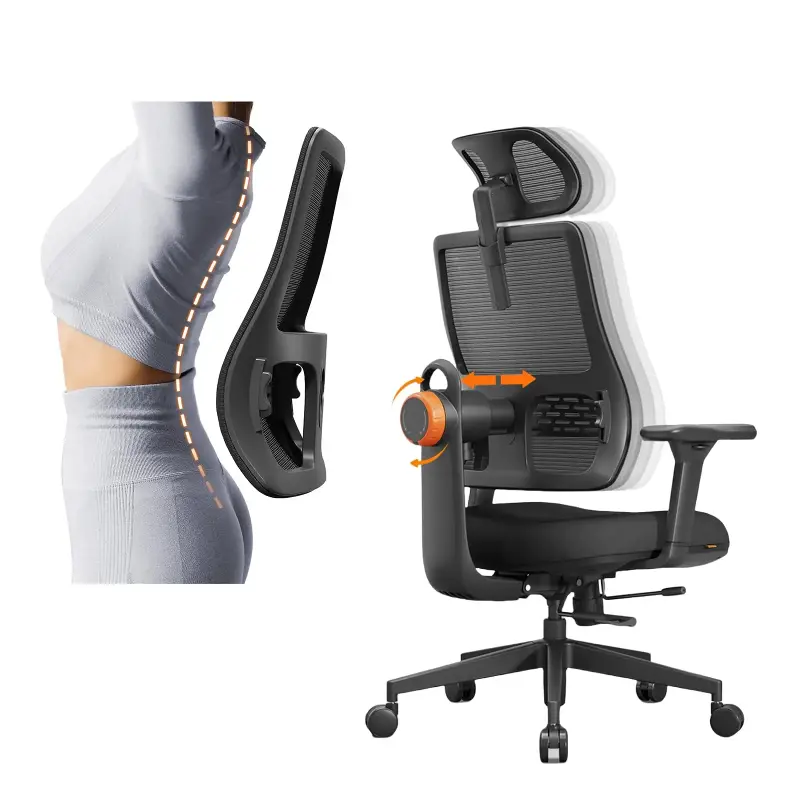
A beautiful home should also be a comfortable one. Increasingly, homeowners are recognising that furniture should support the body — not strain it.
Customised furniture offers a distinct advantage by allowing you to tailor dimensions, materials, and design to suit your home and lifestyle.
Why customisation matters:
-
Better posture support
Sofas that are too low or too deep can strain the back and knees, especially for older adults. -
Fit for your space
Built-in or made-to-measure furniture ensures no awkward gaps or wasted corners. -
Adapted to your needs
Whether it is higher seating for easier standing, or armrests for support, small design changes can make a big difference. -
Future-proofing your home
As mobility or comfort needs change over time, well-designed furniture can help you continue living independently.
While customised furniture may come at a higher upfront cost, it often delivers long-term value through durability, comfort, and better usability.
Furniture Rental: Flexible Living for Changing Lifestyles
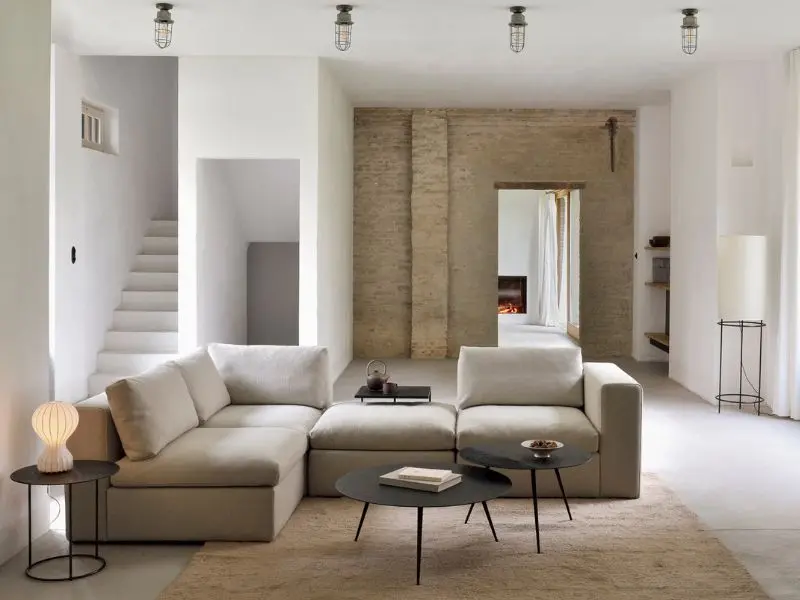
Benefits of renting furniture:
-
Flexibility
Easily switch pieces when your needs or preferences change. -
Lower upfront cost
Ideal for temporary setups or trying out new styles without commitment. -
Trial and error without regret
If a piece does not suit your space, you can simply replace it. -
Suitable for multi-generational homes
Rental allows different family members’ preferences to be accommodated over time.
This approach is particularly useful for those who prefer adaptability over permanence, or who anticipate lifestyle changes in the coming years.
Designing for Comfort and Wellbeing
Beyond style and function, a well-designed home should support your daily comfort, safety, and overall wellbeing.
Simple considerations can make a meaningful difference:
-
Ensure adequate lighting to reduce eye strain
-
Choose non-slip materials where possible
-
Avoid overly cluttered layouts
-
Select furniture that is easy to get in and out of
As we spend more time at home — whether working, resting, or entertaining — these small details contribute to a space that feels both welcoming and supportive.
A Home That Evolves With You
A home makeover is not just about keeping up with trends. It is about creating a space that continues to serve you well over time.
By combining smart space planning, ergonomic design, and flexible solutions, you can build a home that is not only visually appealing, but also practical, comfortable, and ready for the future.
After all, the best homes are not just beautifully designed — they are designed to support the way you live, today and in the years ahead. PRIME