




Many people look forward to retirement as a time to travel, pursue hobbies, and spend meaningful time with loved ones. However, the ability to enjoy these years depends greatly on one key factor: health.
Healthy ageing is not determined by luck alone. Research shows that the habits we build during our working years—such as staying active, eating well, managing stress, and maintaining social connections—play a significant role in shaping our physical and mental well-being later in life.
Why Health Should Be a Priority Early in Life
The idea of “retirement” has evolved. Some individuals choose to retire early, while others continue working out of passion or financial need. Regardless of the path taken, long-term health planning should begin well before retirement age.
Adopting healthy habits earlier in life has been associated with:
-
Lower risk of chronic conditions such as heart disease, diabetes, and hypertension
-
Better mobility and independence in older age
-
Improved mental well-being and resilience
In addition, preventive healthcare—such as regular screenings, vaccinations, and early medical consultations—can help detect potential issues early and reduce complications over time.
Supporting Brain Health and Cognitive Function
As we age, it is natural for certain cognitive functions, such as memory and processing speed, to change. However, lifestyle factors can influence how the brain ages.
Studies suggest that the following may support cognitive health:
-
Regular mental stimulation (reading, learning new skills, problem-solving)
-
Physical activity, which supports blood flow to the brain
-
Social engagement, which has been linked to lower rates of cognitive decline
While these habits may help reduce the risk of cognitive impairment, it is important to note that conditions such as Alzheimer’s disease are influenced by multiple factors, including age and genetics. Lifestyle measures support—but do not guarantee—prevention.

The Link Between Physical and Mental Health
Physical and mental health are closely interconnected. For example:
-
Regular exercise has been shown to reduce symptoms of anxiety and depression
-
Chronic stress may contribute to sleep disturbances, fatigue, and increased risk of certain health conditions
-
Poor physical health can impact mood, energy levels, and overall quality of life
Maintaining balance is therefore important. Periods of intense work without adequate rest may contribute to burnout, which can affect both physical and emotional well-being over time.
Ageing Well: Staying Active, Social, and Engaged
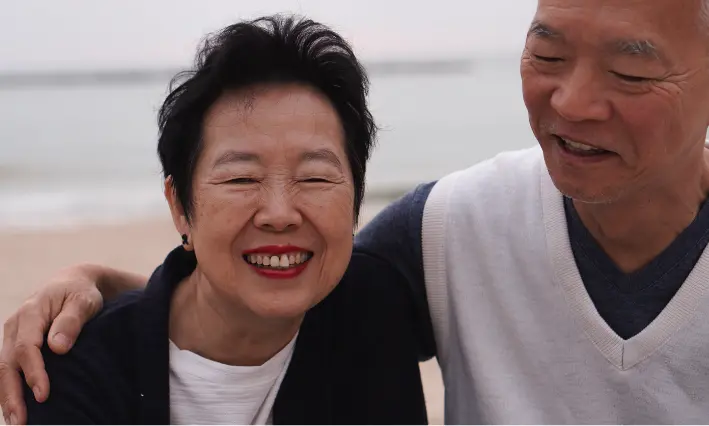
Many of the activities people look forward to in their later years—travelling, spending time with grandchildren, or enjoying hobbies—also contribute positively to health.
Healthy ageing is often supported by:
-
Light to moderate physical activity (e.g. walking, gardening)
-
Social interaction with friends, family, or community groups
-
Purposeful activities, such as volunteering or hobbies
These activities can help maintain mobility, support mental health, and enhance overall life satisfaction.
A balanced approach to diet also remains important. Enjoying a variety of foods in moderation—while considering individual health conditions—supports long-term well-being.
Preventive Health and Financial Preparedness
Healthcare needs often increase with age. While a healthy lifestyle may reduce certain risks, it does not eliminate them entirely.
Planning ahead can include:
-
Regular health screenings appropriate for age and risk factors
-
Adequate medical insurance coverage
-
Building financial reserves for potential healthcare needs
This combined approach helps individuals better manage uncertainties and maintain quality of life.
A Balanced Approach to Life and Health
Health is sometimes described as a form of “personal capital”—it supports our ability to work, engage with others, and enjoy daily life.
Rather than viewing health and success as competing priorities, a more sustainable approach is to:
-
Balance work with rest and leisure
-
Stay physically active in enjoyable ways
-
Maintain meaningful relationships
-
Prioritise both physical and mental well-being
Conclusion
Ageing well is not solely about extending lifespan, but about maintaining quality of life, independence, and the ability to engage in meaningful activities.
By taking steps early—through healthy habits, preventive care, and balanced living—we can better position ourselves to enjoy our later years with vitality and fulfilment. PRIME