



Back Pain in Your 40s and 50s: Is It More Than Just Tiredness?

Young Businessman Suffering from Back Pain at Workplace in Office
Back pain in 40s and 50s is often dismissed as simple tiredness. Long hours at the desk, driving, lifting groceries, or weekend sports can all leave the back feeling stiff and sore.
However, not all back pain is muscular. In some cases, persistent discomfort may reflect underlying disc or nerve-related conditions that benefit from early recognition.
Many working adults dismiss persistent back discomfort as simple fatigue. However, not all back pain is muscular strain. In some cases, ongoing pain may reflect underlying disc or nerve related conditions that benefit from early recognition.
Understanding when back pain is harmless and when it deserves attention helps you stay active and independent for the long term.
“Back pain is common, but persistent or radiating pain should not be normalised. Early assessment helps clarify whether symptoms are muscular or related to spinal nerves.”
Why Back Pain Becomes More Common After 40
Back pain in 40s and 50s becomes more common as the spine naturally undergoes wear and tear. Spinal discs gradually lose hydration and flexibility, making them more prone to irritation.
Common contributors include:
- Prolonged sitting during work
- Poor workstation ergonomics
- Reduced core strength
- Weight gain
- Repetitive bending or lifting
- Weekend sports without adequate recovery
While many episodes are muscular, some may involve disc related strain or nerve irritation.
How Long Hours at Work Affect the Spine
Sitting for extended periods places continuous pressure on the lower back.
Contributing habits may include:
- Slouched posture
- Forward head position when using laptops
- Chairs without proper lumbar support
- Few movement breaks during the day
Over time, this strain may affect spinal discs. In certain individuals, disc irritation may progress to disc herniation, where part of the disc presses against nearby nerves.
When Back Pain Travels Down the Leg
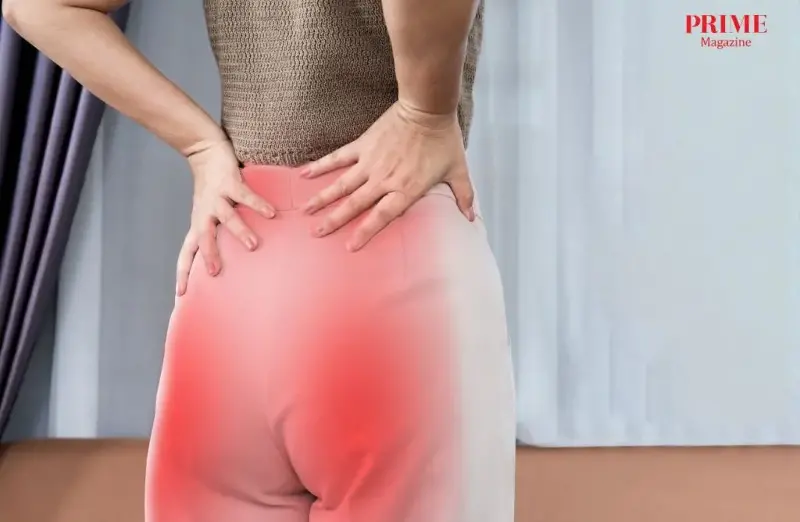
Woman suffering from lower back and buttock pain spreading to down leg, Sciatica Pain concept
If back pain begins to radiate into the buttock or leg, it may indicate sciatica.
Sciatica occurs when a spinal nerve is irritated or compressed. It may present as:
- Shooting pain down one leg
- Numbness or tingling in the leg or foot
- Weakness in the affected limb
- Sharp or electric like pain
This type of pain differs from muscle soreness and may suggest a disc related issue.
Back Pain in Multi-Generational Households
For those living with older family members, back health is important across generations.
In older adults, sudden back pain after minor strain or even without obvious injury may sometimes be linked to osteoporotic compression fractures.
Warning signs in older family members may include:
- Sudden mid or lower back pain
- Pain after bending or light lifting
- Height loss or a stooped posture
- Difficulty standing upright
Early evaluation is important, particularly if pain follows even a small fall or minor trauma.
When Back Pain Is Not Just Tiredness
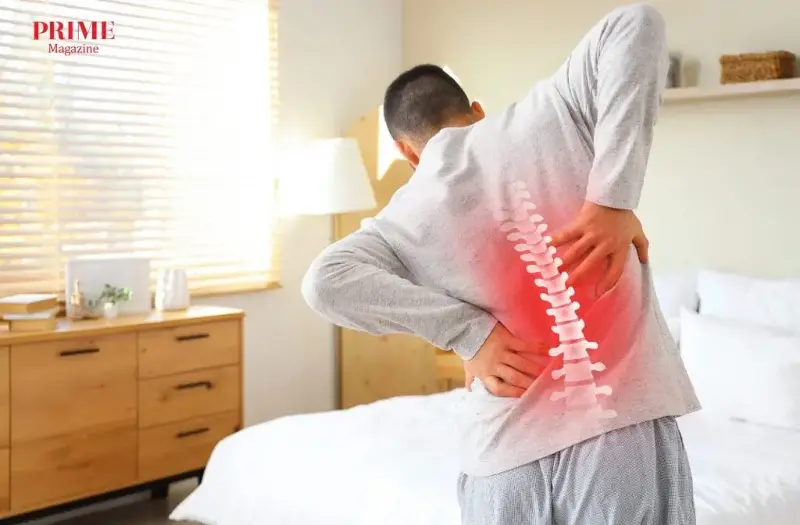
Man Suffering from Back Pain in Bedroom
Muscle related discomfort usually improves with rest and gentle movement. Pain that behaves differently should be assessed.
Consider seeking medical review if:
- Pain lasts more than several weeks
- Pain radiates down one leg
- Numbness or tingling develops
- Sleep is disrupted by pain
- Back pain keeps recurring despite rest
New or worsening symptoms after age 40 deserve careful evaluation rather than self-diagnosis.
Urgent Symptoms That Should Not Be Ignored
Seek immediate medical attention if back pain is associated with:
- Sudden leg weakness
- Difficulty walking
- Loss of bladder or bowel control
- Numbness around the groin area
- Severe pain after a fall
These symptoms may indicate significant nerve compression requiring prompt assessment.
Practical Steps to Support Back Health
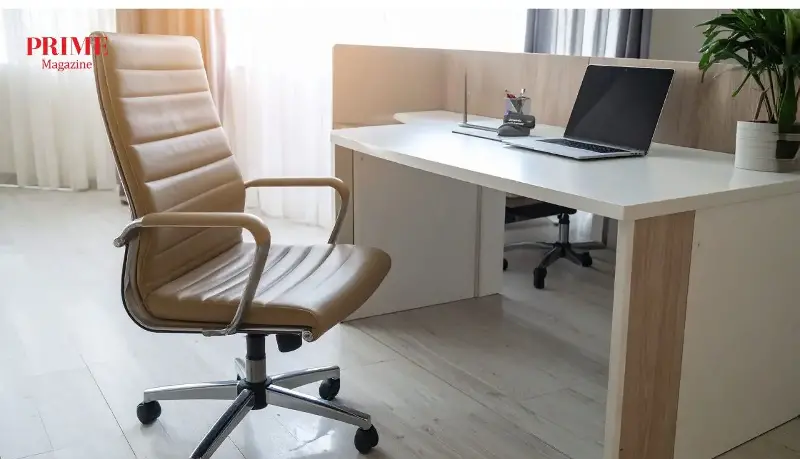
A proper chair and desk setup can protect your back during long work hours.
At Work
- Keep screens at eye level
- Sit with feet flat on the floor
- Use lumbar support
- Take short standing or walking breaks every hour
At Home
- Bend at the knees when lifting
- Avoid twisting while carrying heavy objects
- Distribute weight evenly
During Exercise
- Warm up properly
- Avoid pushing through sharp pain
- Build core strength gradually
Regular movement, posture awareness, and early attention to symptoms help reduce long term spine strain.
Staying Active Without Ignoring Warning Signs
Back pain is common, but persistent or radiating pain should not be accepted as “part of ageing.”
Understanding when symptoms may reflect disc or nerve irritation allows timely evaluation and appropriate management. With the right assessment, many individuals can continue working, exercising, and caring for their families with confidence. PRIME
Medical Disclaimer
This article is intended for general educational purposes only and does not constitute medical advice. Back pain and spinal conditions vary between individuals. Assessment, diagnosis and treatment should be provided by a qualified medical practitioner based on individual medical history and clinical evaluation.