



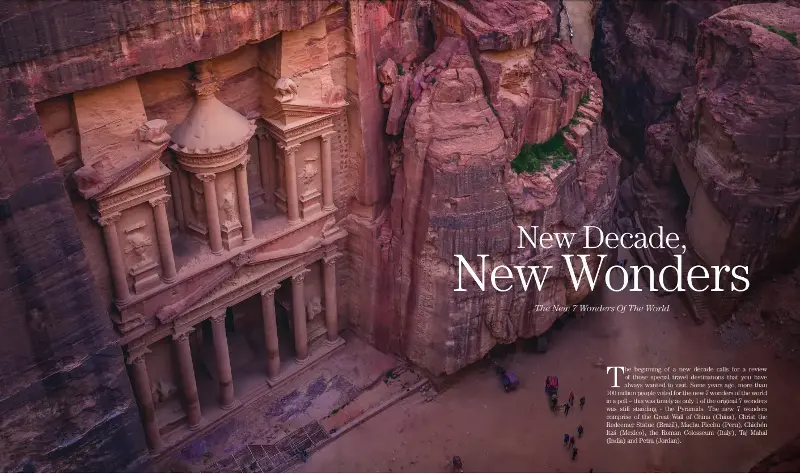
A new decade invites reflection — and for many travellers, it sparks renewed curiosity about the world’s most remarkable destinations. In the early 2000s, more than 100 million people around the globe voted to recognise the New 7 Wonders of the World, a timely initiative given that only one of the original ancient wonders still stands today.
These modern wonders include the Great Wall of China, Christ the Redeemer, Machu Picchu, Chichén Itzá, Colosseum, Taj Mahal, and Petra.
Rather than simply ticking them off a list, travellers today seek experiences that go beyond standard tours. Exploring thoughtfully — and sometimes independently — often reveals deeper meaning and unforgettable moments.
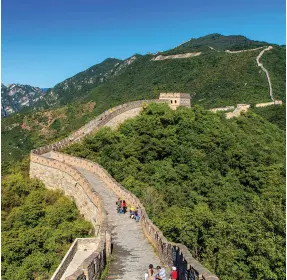
The Great Wall of China: History Across Mountains
Stretching across northern China, the Great Wall spans thousands of kilometres and crosses multiple provinces. Its length varies depending on how branches and natural terrain are measured, but its impact is undeniable.
Many visitors begin near Beijing. Mutianyu remains one of the best-restored and most accessible sections, offering cable cars and family-friendly paths. Watchtowers and fortifications line the ridges, revealing how defence and geography worked together.
For a quieter experience, Jinshanling offers dramatic views and partially unrestored paths ideal for hikers. Further afield, Huanghuacheng blends ancient stonework with lakes and orchards, while Shanhaiguan marks the eastern point where the Wall meets the sea.
Adventurous visitors may choose night tours, camping routes, or even marathon events held along certain sections. Staying near the Wall — in restored village homes or architect-designed retreats — adds depth to the experience.
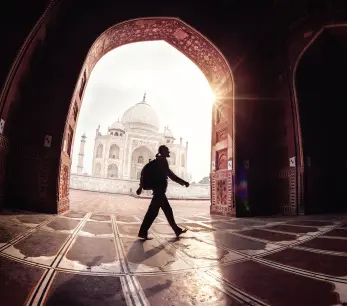
The Taj Mahal: A Monument to Love and Craftsmanship
Commissioned in 1632 by Emperor Shah Jahan, the Taj Mahal stands as one of the world’s most admired architectural achievements. Built over 22 years by thousands of artisans, the white marble mausoleum features intricate stone inlays and perfect symmetry.
Visiting at sunrise or sunset reveals subtle colour changes across the marble surface. A river cruise along the Yamuna offers a striking perspective, while nearby gardens and historic structures provide further context.
Limited night visits during full-moon periods create a rare and intimate experience, making advance planning worthwhile.
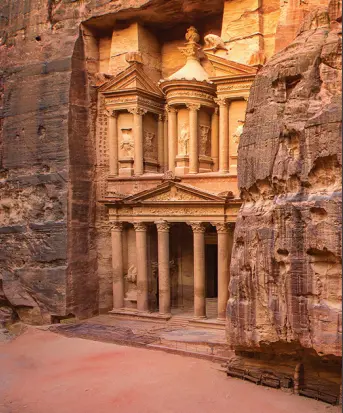
Petra: The Rose-Red City of Stone
Hidden within Jordan’s desert landscape, Petra once thrived as a trading hub connecting ancient caravan routes. Carved directly into sandstone cliffs, its facades reflect both engineering mastery and cultural exchange.
The approach through the narrow Siq builds anticipation before revealing the Treasury. Beyond it lie royal tombs, theatres, and water systems that once supported tens of thousands of inhabitants.
Evening candlelit walks illuminate Petra’s contours and atmosphere, offering a quieter and more reflective way to experience the site.
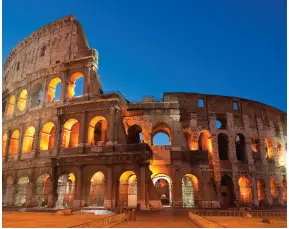
The Colosseum: Rome After Dark
Rome’s Colosseum remains one of the world’s most recognisable landmarks. While daytime visits draw large crowds, evening access allows visitors to explore corridors, upper tiers, and even the arena floor with fewer distractions.
Under soft lighting, the structure’s scale and ingenuity become easier to appreciate — and its history feels more immediate.
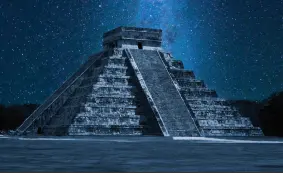
Chichén Itzá: Light, Shadow, and Astronomy
This ancient city in Mexico’s Yucatán Peninsula reflects advanced Mayan knowledge of astronomy and architecture. The iconic pyramid, El Castillo, aligns with equinox sunsets, creating the illusion of a serpent descending its steps.
Beyond the main pyramid, ball courts, temples, and ceremonial platforms reveal a complex urban centre shaped by ritual and science.
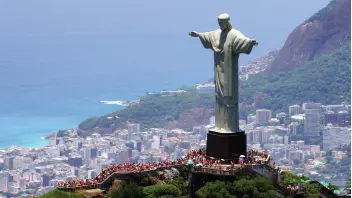
Christ the Redeemer: A Citywide Embrace
Standing atop Mount Corcovado, Christ the Redeemer has overlooked Rio de Janeiro since 1931. Designed through international collaboration, its outstretched arms symbolise welcome and unity.
Early morning visits offer panoramic views before crowds arrive. Beyond the statue, Rio’s beaches, gardens, and cultural festivals provide rich layers to explore.
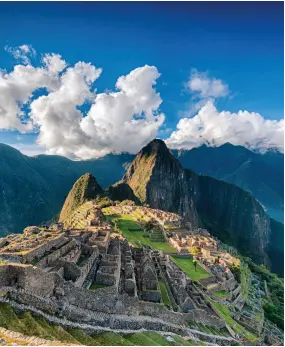
Machu Picchu: Engineering Above the Clouds
High in Peru’s Andes, Machu Picchu continues to inspire awe. Whether reached by multi-day trekking routes or scenic rail journeys, the site rewards careful pacing and acclimatisation.
Mist often lifts slowly to reveal stone terraces and precisely fitted structures. Viewpoints above the main complex allow visitors to pause and absorb the scale and serenity of the citadel.
Allowing extra days nearby enhances the experience and avoids rushed visits.
Beyond the Final Seven
Many remarkable sites narrowly missed the final list yet remain worthy of exploration. Ancient citadels, sacred temples, modern architectural icons, and historic cities across Europe, Asia, Africa, and the Americas continue to shape our shared heritage.
The journey, after all, does not end with seven destinations.
Closing Thoughts
The New 7 Wonders of the World remind us that human creativity, resilience, and imagination transcend time and borders. Visiting them thoughtfully — with curiosity and respect — transforms sightseeing into storytelling.
As new decades unfold, the world still offers countless wonders waiting to be rediscovered. PRIME