



JEJU ISLAND — KOREA’S MOST BEAUTIFUL NATURE ESCAPE
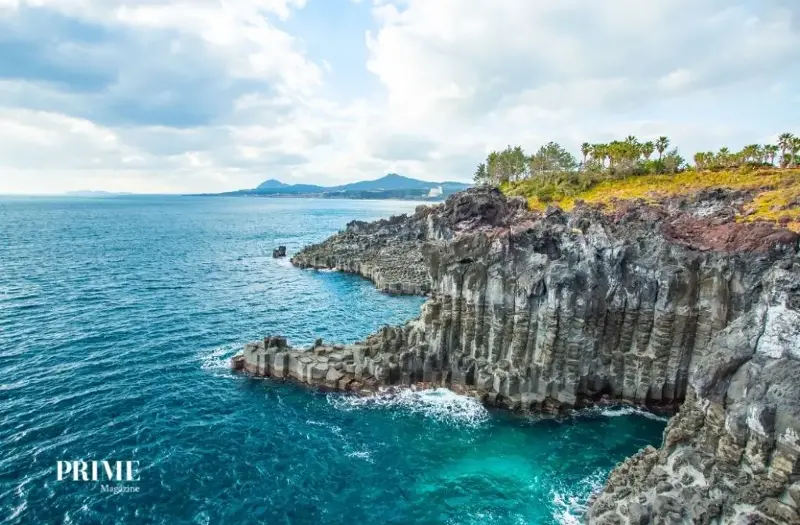
Jungmun Daepo in Jeju Island, South Korea
Among the top islands for Singaporeans, Jeju stands out for its gentle beauty, fresh air and peaceful landscapes. The island feels like a world shaped by wind, volcanoes and time. While Seoul brings energy and Busan brings seaside fun, Jeju brings calm—a softer rhythm that Singapore travellers seek, especially for family trips and nature-focused holidays.
Whether you’re chasing waterfalls, hiking quiet trails or café-hopping along the coast, Jeju offers a refreshing break from city intensity.
Why Singaporeans Love Jeju
Jeju is one of the best island destinations near Singapore because it combines nature, convenience and curated experiences.
Easy to navigate
-
No visa required
-
Family-friendly attractions
-
Clear signboards and easy driving routes
Nature everywhere
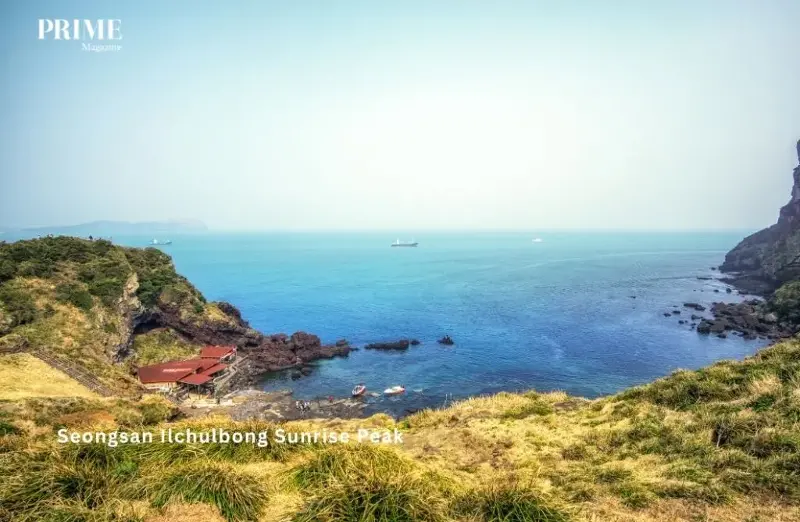
Seongsan Ilchulbong Sunrise Peak
Jeju’s scenery is its biggest charm—volcanic peaks, coastal paths, cliffs, forests and beaches all within short driving distances.
Calm, open spaces
For travellers who enjoy fresh air, scenic views and wide horizons, Jeju provides an ideal escape.
Where to Explore in Jeju
1. Seogwipo — Waterfalls & Coastal Magic
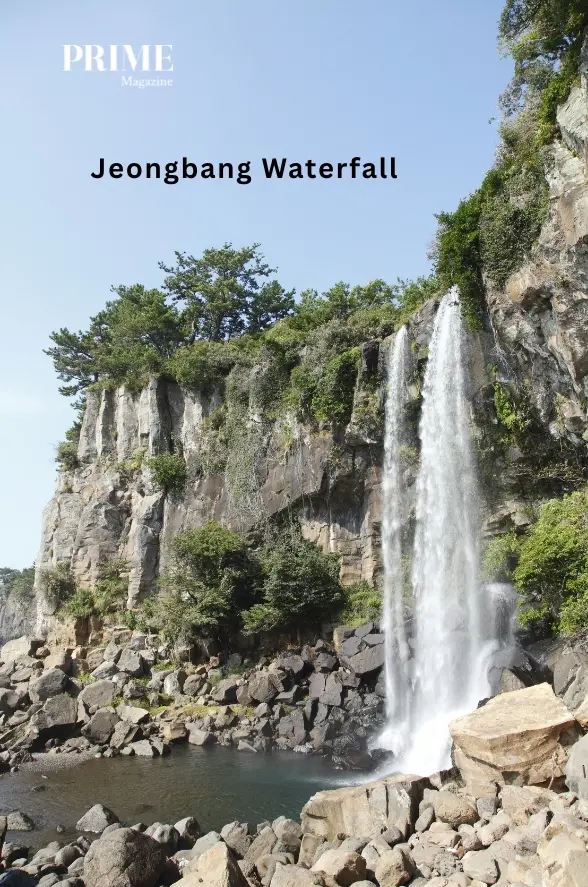
Jeongbang Waterfall, South Korea
South Jeju is home to some of the island’s most iconic sights.
Visit Jeongbang Waterfall, which flows directly into the ocean, or Cheonjiyeon Waterfall, surrounded by lush greenery. The nearby coastal cafes offer warm drinks, island cakes and soothing views.
2. Aewol — Cafés, Sunset Views & Ocean Breezes
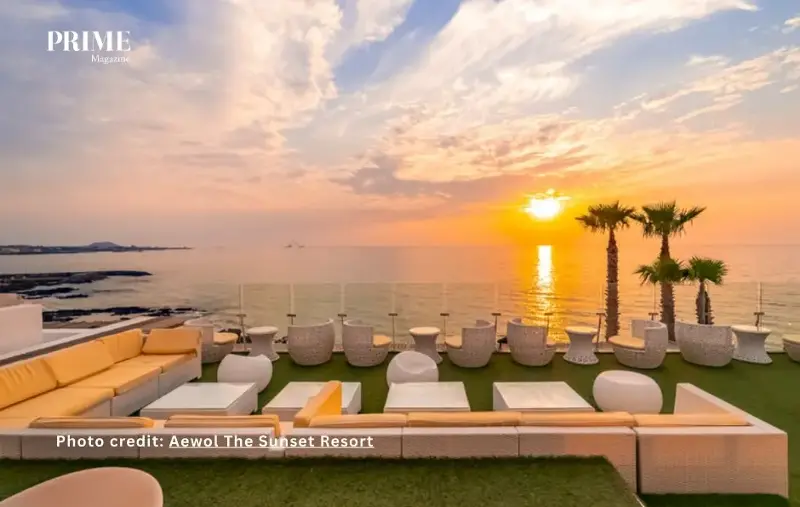
Cafés, Sunset Views & Ocean Breezes @ Aewol
Aewol has become famous for its café culture. Here, the sea is always in view, and the sunsets are spectacular. Travellers often spend afternoons hopping between oceanfront cafés, each designed with thoughtful interiors and slow-living charm.
3. Hallasan National Park — Korea’s Highest Peak
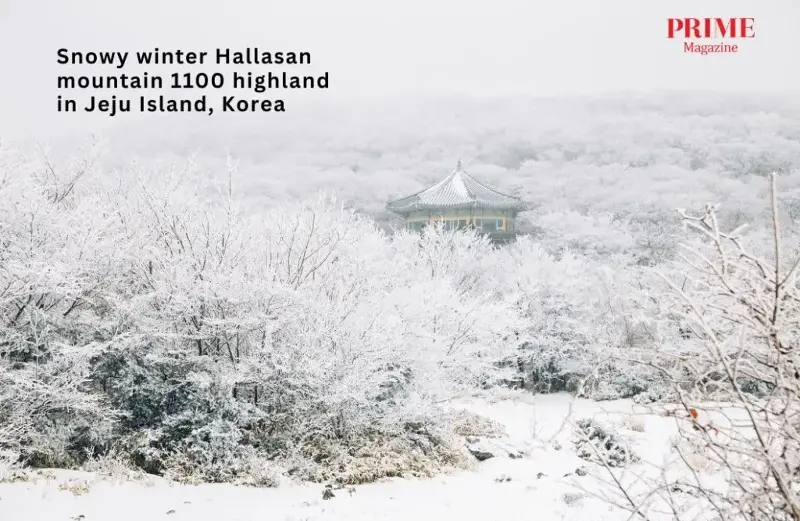
Snowy winter Hallasan mountain 1100 highland in Jeju Island, Korea

Landscape in South Korea’s Hallasan National Park
Hallasan, the dormant volcano at Jeju’s centre, offers well-maintained trails suitable for different fitness levels. Even a short walk reveals sweeping views, forest paths and unique volcanic flora.
4. East Jeju — Raw Landscapes & UNESCO Wonders
East Jeju offers dramatic scenery:
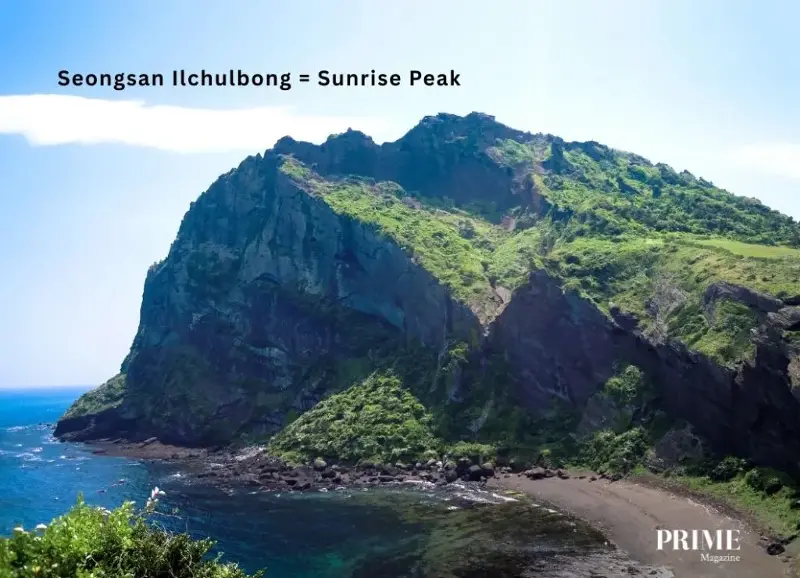
Sunrise Peak @ Seongsan Ilchulbong
-
Seongsan Ilchulbong (Sunrise Peak)
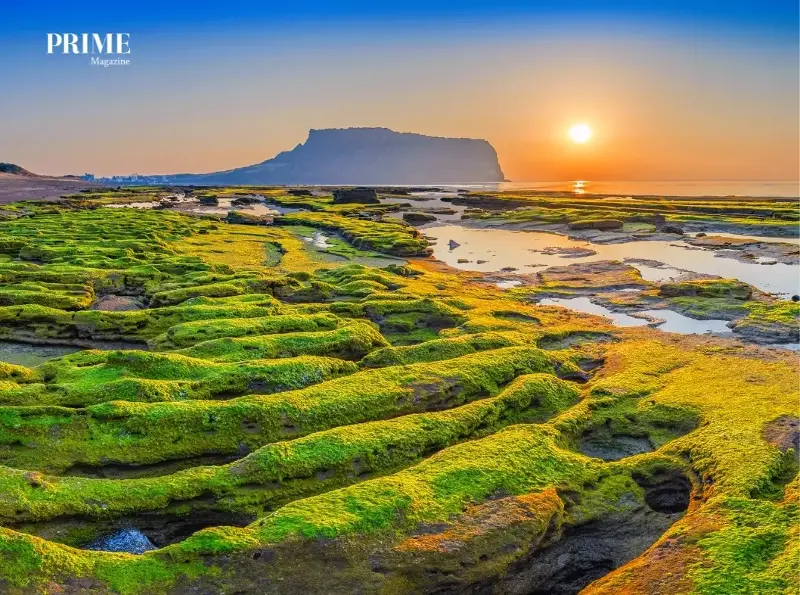
Sunrise at Jeju-Do Seongsan Ilchulbong, Jeju Island, South Korea
-
Manjanggul Lava Tube
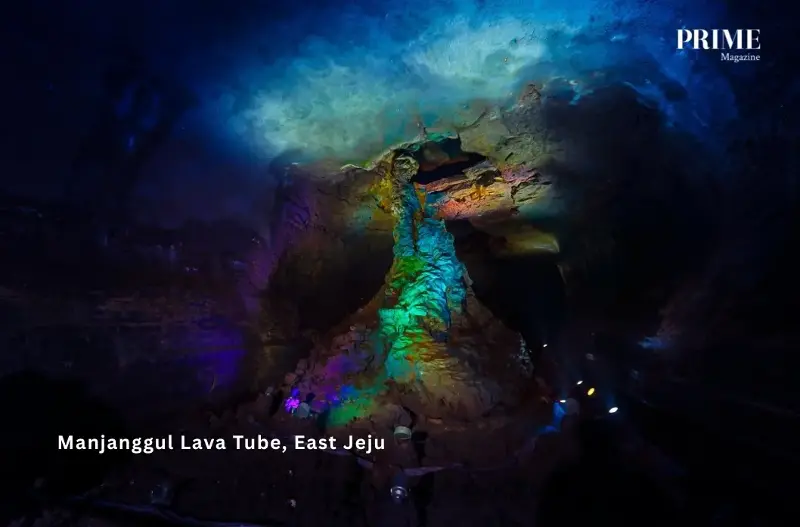
The Manjanggul Lava Tube is a UNESCO World Natural Heritage site in East Jeju, celebrated as one of the finest and largest lava tube systems in the world. However, please note that the cave is currently closed for maintenance and safety inspections and is scheduled to reopen by March 31, 2026. It was previously scheduled to reopen in August 2025, but the timeline has been extended.
-
Quiet fishing villages
The landscapes here feel ancient yet accessible—ideal for calm day trips.
Must-Do Experiences in Jeju
1. Sunrise at Seongsan Ilchulbong
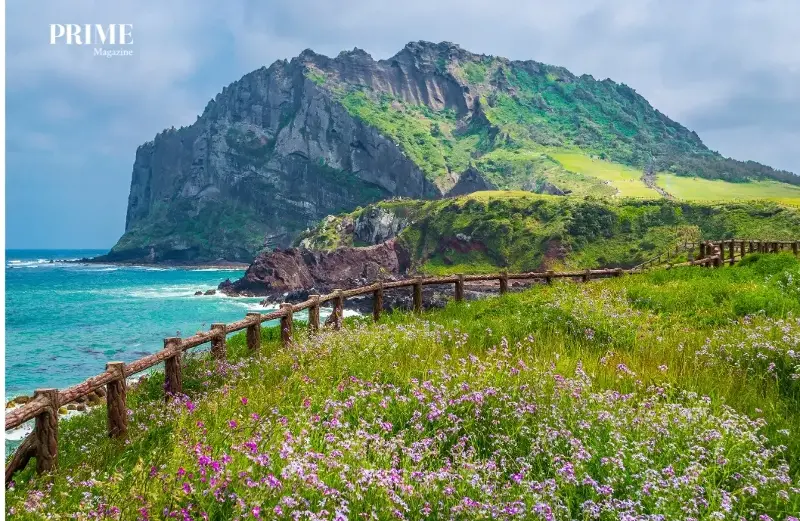
Seongsan Ilchulbong Peak on Jeju Island, South Korea
Waking early is worth it. The sky glows in soft gradients, and the volcanic crater feels almost mythical.
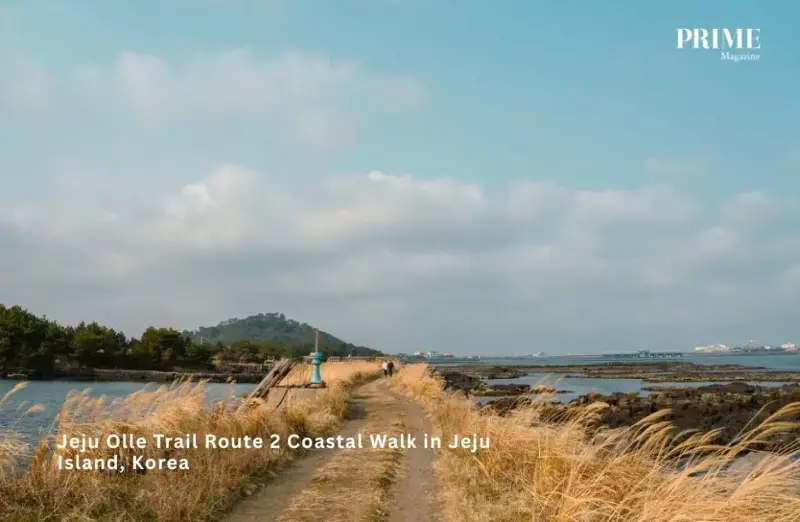
2. Walk or Cycle the Coastal Olle Trails
Seongsan Ilchulbong Sunrise Peak
These scenic routes are gentle and well-marked, perfect for families, couples and older adults. You can choose short stretches or full-day hikes.
3. Visit Jeju’s Unique Museums
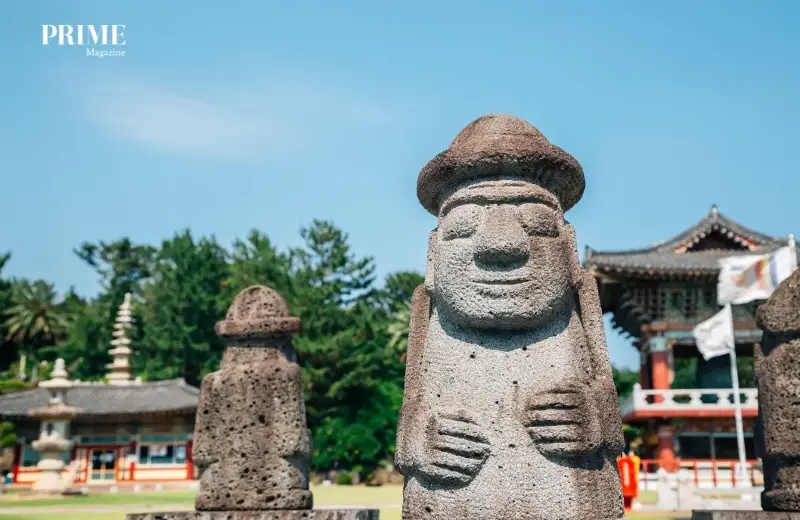
Yakcheonsa Temple and Dol Hareubang in Jeju Island, Korea
Jeju offers quirky, fun and educational museums, including:
-
Teddy Bear Museum
-
OSulloc Tea Museum
-
Jeju Folk Village
Ideal for mixed-age groups.
4. Enjoy Local Jeju Cuisine
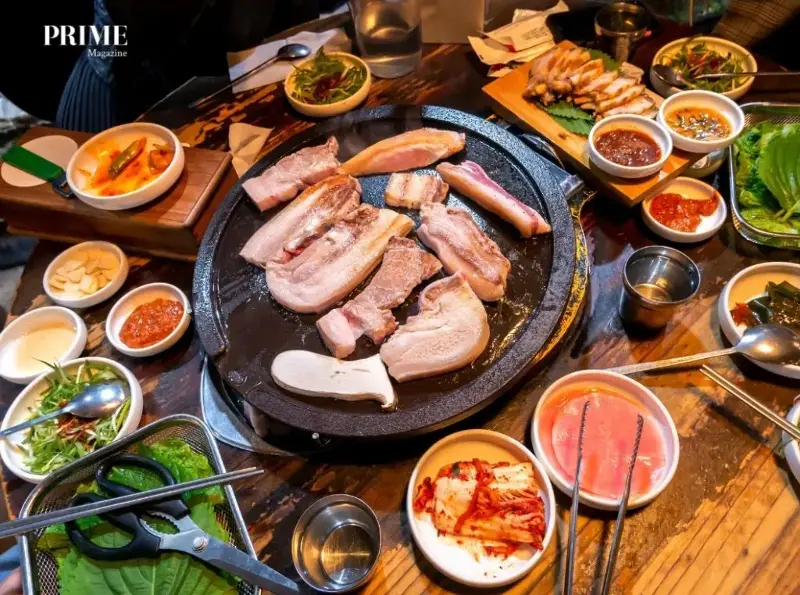
Local Jeju Cuisine
Jeju’s food is simple, fresh and full of flavour.
Must-try dishes include:
-
Black pork BBQ
-
Abalone porridge
-
Green tea desserts
-
Fresh seafood stews
5. Café Hopping
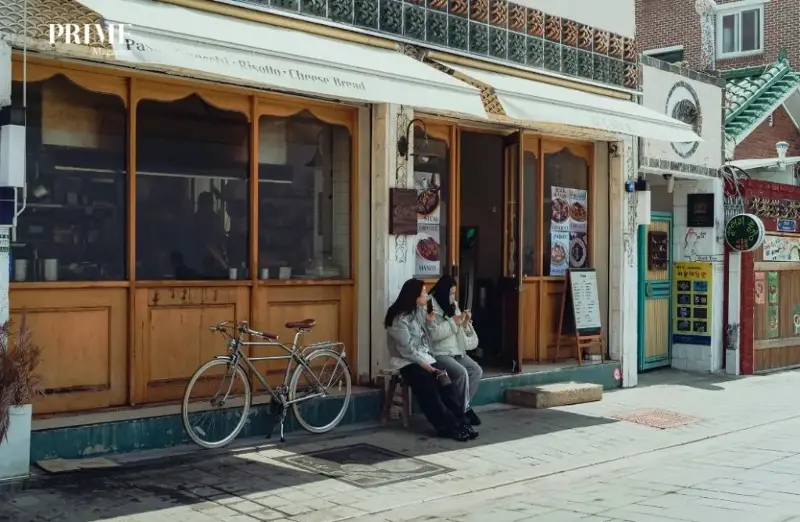
Charming Cafe Scene in Suwon, South Korea
Jeju cafés blend architecture, views and artisanal cakes. The experience feels slow and mindful.
Best Time to Visit
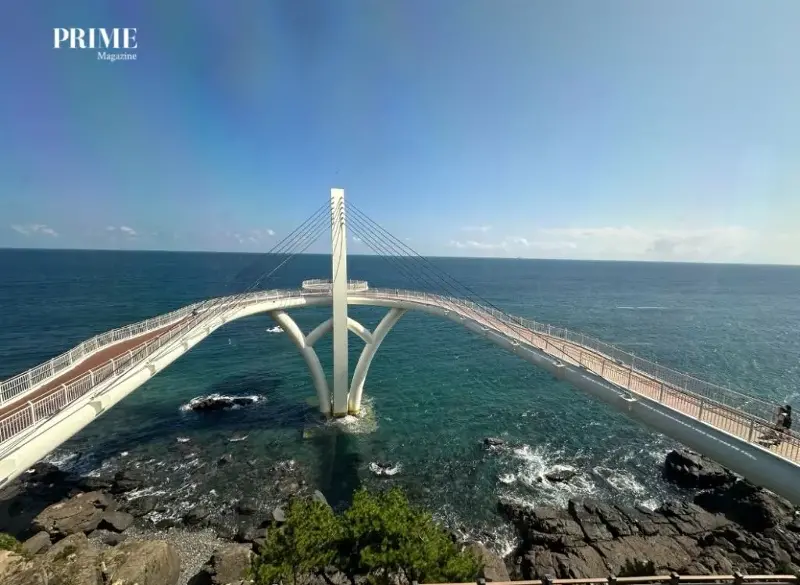
Saeyeongyo Bridge Over Sea in Seogwipo, Korea
Jeju is a year-round island, but each season has its own charm.
-
Spring (Mar–May): Cherry blossoms, cool weather
-
Summer (Jun–Aug): Bright beaches, lively atmosphere
-
Autumn (Sep–Nov): Crisp air, golden fields, perfect hikes
-
Winter (Dec–Feb): Snow on Hallasan, fewer crowds
Thanks to its natural diversity, Jeju offers enjoyable activities anytime.
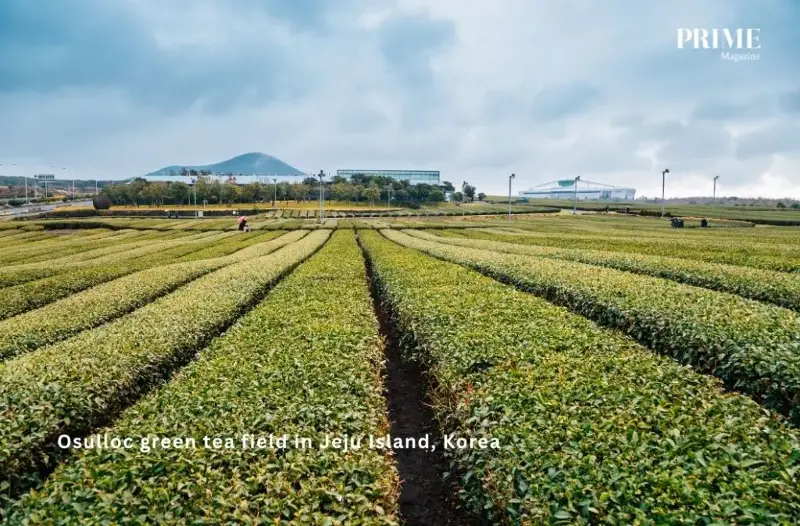
Osulloc green tea field in Jeju Island, Korea
Who Jeju Is Best For

Jeju Island
Families
Safe, clean attractions + many interactive museums.
Older Adults
Scenic drives, gentle trails, comfortable stays.
Couples
Sunset cafés, quiet beaches, romantic walks.
Solo Travellers
Nature, cafés, photography and peaceful hikes.
Jeju’s soothing energy appeals to travellers who want uncomplicated beauty.
Travel Tips for Singaporeans

Travel tips for Singaporeans
-
Rent a car to explore comfortably
-
Use NAVER Maps instead of Google Maps for directions
-
Wear layers—Jeju weather changes easily
-
Reserve popular cafés especially on weekends
-
Start hikes early to avoid crowds
A simple tip: plan lightly. Jeju is best enjoyed with slow, spontaneous stops.
Why Jeju Feels So Restorative
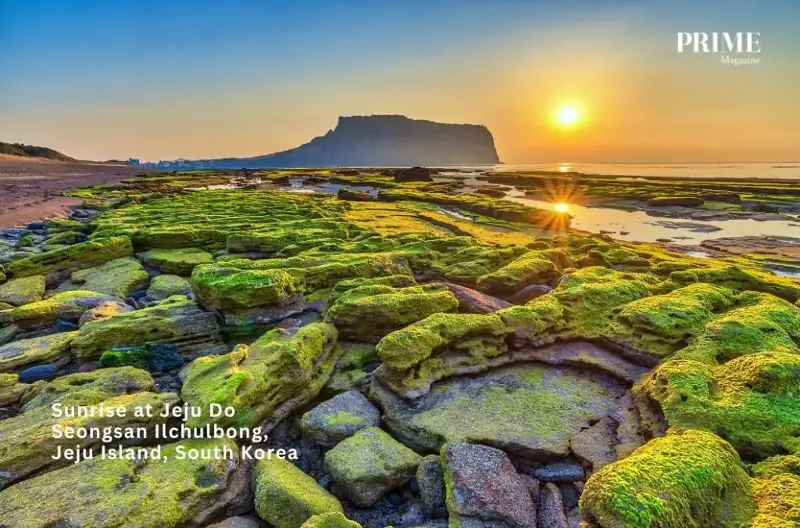
Sunrise at Jeju Do Seongsan Ilchulbong, Jeju Island, South Korea
Unlike busy cities, Jeju allows you to breathe. The roads are scenic, the air is crisp, and conversations often drift into silence because the landscapes speak for themselves. Among the top islands for Singaporeans, Jeju offers nature in its purest, gentlest form—something travellers appreciate more with each visit.
If you need space to reconnect with yourself or your loved ones, Jeju is the island that gives you that space. PRIME