




Singaporeans have long loved Japan. This is evident from the popularity of Japanese restaurants, specialty shops, and supermarkets such as Don Don Donki in Singapore. In a 2022 YouGov survey, nearly half of Singaporeans named Japan as their top choice for their next overseas holiday. When Japan reopened its borders to visa-free travel for Singaporeans in October 2022, it marked a joyful return for many eager travellers.
Although Japan is a familiar destination, years of travel restrictions may have dulled some memories. This guide revisits five cities — Shizuoka, Nagoya, Kanazawa, Kyoto and Osaka — highlighting their unique charms across the Chūbu and Kansai regions.
Chūbu and Kansai: A Regional Overview
Shizuoka, Nagoya and Kanazawa lie in the Chūbu region, while Kyoto and Osaka belong to Kansai. Travellers usually access Chūbu via Tokyo’s Haneda or Narita airports before continuing by Shinkansen. Shizuoka and Nagoya sit along the southern coast, while Kanazawa faces the Sea of Japan to the north.
In terms of direct flights, while there are a number of flights serving Singapore and Osaka (Kansai International Airport), it is more common to access Chūbu from Tokyo’s Haneda and Narita airports. From these airports, a ride on the Shinkansen (via Tokyo Station after a ride on Narita Express from Narita Airport, or via Shinagawa Station after going on the Keikyu Airport Line serving Haneda Airport) is the fastest way to get into the Ch bu region. The cities of Shizuoka and Nagoya are located near the southern coast, while the city of Kanazawa is over at the northern coast. We will start from the south.
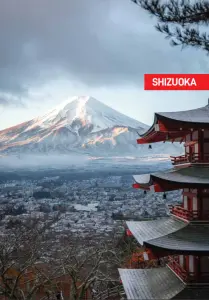
Shizuoka: Quiet History Beneath Mount Fuji
Shizuoka Prefecture is best known for Mount Fuji, Japan’s tallest and most iconic mountain, as well as for producing the country’s largest volume of green tea. While often overshadowed by its famous neighbour, Shizuoka city offers a calm, historic alternative to Japan’s larger cities.
Once home to Tokugawa Ieyasu, founder of the Tokugawa Shogunate, the city still bears traces of its past. Sunpu Castle, a 15-minute walk from Shizuoka Station, serves as a good starting point. Though the original castle was destroyed, several gates and turrets have been carefully reconstructed within Sunpu Castle Park, a popular cherry blossom spot.
Nearby, Momijiyama Garden features a mound shaped like Mount Fuji and a traditional teahouse where visitors can enjoy locally grown green tea.
A short JR Tokaido Line ride brings you to Shimizu, a port town known for seafood. Shimizu Fish Market offers affordable meals, while S-Pulse Dream Plaza provides shopping and dining. With extra time, a bus ride leads to Miho-no-Matsubara, a UNESCO World Heritage Site offering dramatic coastal views of Mount Fuji.
Nagoya: Urban Energy and Samurai Heritage
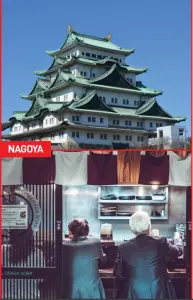
About an hour away by Shinkansen, Nagoya is Japan’s fourth-largest city and Chūbu’s economic hub. Staying near Nagoya Station, one of the world’s largest stations by floor area, makes sightseeing convenient.
Nagoya Castle, famous for its golden shachihoko ornaments, symbolises the city. Rebuilt after World War II, it houses historical exhibits and weekend samurai performances. Adjacent Meijo Park and the nearby Aichi Prefectural Gymnasium add to the area’s appeal.
Museum lovers can visit the Nagoya City Science Museum, home to the world’s largest planetarium, or the Tokugawa Art Museum, which holds priceless samurai artefacts and early editions of The Tale of Genji.
Nagoya also excels at shopping. JR Central Towers, Takashimaya, Midland Square, and the bustling Sakae district offer everything from luxury brands to local favourites. For a more traditional experience, Osu Shopping Street combines quirky shops, otaku culture and a historic temple setting.
Kanazawa: Gardens, Gold Leaf and Coastal Beauty
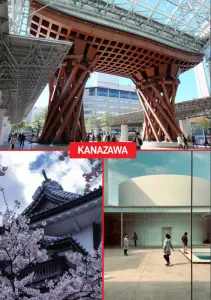
Often overlooked, Kanazawa rewards visitors with rich culture and refined beauty. The city is accessible from Nagoya by limited express train or highway bus. Kanazawa Station, with its striking Tsuzumi Gate, ranks among Japan’s most beautiful stations.
A highlight is Kenrokuen Garden, one of Japan’s Three Great Gardens. Developed by the Maeda clan, it showcases ponds, bridges and seasonal beauty year-round. Next door, Kanazawa Castle offers insight into traditional construction techniques.
Nearby, the Higashi Chaya District preserves historic teahouses, while gold leaf workshops reflect Kanazawa’s role in producing most of Japan’s gold leaf. Food lovers should visit Omicho Market, renowned for fresh seafood from the Sea of Japan.
For a scenic excursion, the Ganmon Sea Cave along the Noto coastline reveals dramatic rock formations carved by powerful waves.
Kyoto: Tradition at the Heart of Japan
From Kanazawa, the Thunderbird Limited Express brings travellers to Kyoto, Japan’s cultural capital. Kyoto Station itself offers shopping, dining and access to nearby landmarks such as Toji Temple, a UNESCO World Heritage Site with Japan’s tallest wooden pagoda.
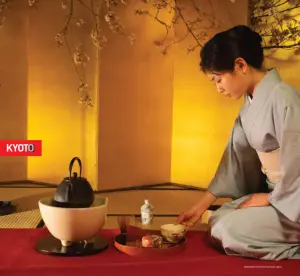
Central Kyoto features Nishiki Market, known as “Kyoto’s Kitchen”, where visitors can sample local delicacies. From there, a walk leads through Shijo to Gion, Kyoto’s historic geisha district, and onwards to Kiyomizu-dera Temple, famed for its wooden stage overlooking seasonal foliage.
A short train ride takes tea lovers to Uji, a historic town closely linked to The Tale of Genji and home to Tsuen Tea Shop, Japan’s oldest tea house.
Osaka: Food, Fun and Modern Energy
The final stop, Osaka, lies just 15 minutes from Kyoto by Shinkansen. Shopping hubs such as Umeda, LUCUA, Daimaru and Yodobashi Camera dominate the city centre.
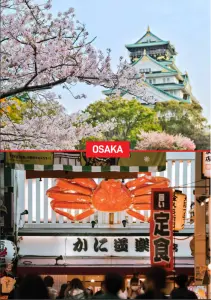
Historic Osaka Castle, set within a vast park, offers insight into the city’s past. For quirky attractions, the Cup Noodles Museum in Ikeda celebrates Japan’s instant noodle legacy. Families and thrill-seekers can spend a day at Universal Studios Japan, while the Osaka Aquarium Kaiyukan provides an immersive marine experience.
Revisiting Japan
The cities featured here represent only a fraction of what Japan offers, but they provide a rewarding introduction beyond the usual tourist trail. For travellers willing to explore deeper, Japan continues to shine as a land of discovery, culture and enduring charm. PRIME