



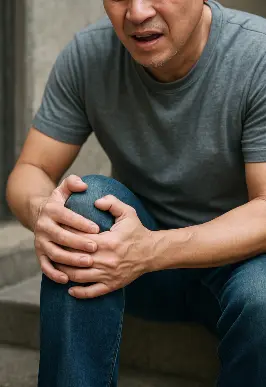
Man with knee pain.
The Hidden Risks of Ignoring Minor Knee Pain That Nobody Told You About
For many of us, knee pain is the sort of background discomfort that becomes part of daily life, whether it is a twinge when climbing stairs, a dull ache after a long walk, or stiffness after sitting for too long. We shrug it off, apply a bit of ointment, and move on. After all, pain is just a normal sign of ageing, right? Not quite.
Ignoring even minor knee pain can set off a chain reaction that quietly erodes joint health, limits mobility, and chips away at your quality of life. What starts as a faint discomfort can escalate into chronic inflammation, cartilage damage, and even arthritis. The real danger lies not in the initial pain, but in how everyday habits, often unnoticed, slowly worsen the problem. This is not just a story about aching knees. It is a wake-up call about the lifestyle traps that turn manageable pain into a long-term condition, and how small, consistent changes can make all the difference.
HOW EVERYDAY HABITS WORSEN KNEE PAIN
Most people think knee pain comes only from injuries or strenuous sports, but lifestyle factors play an even bigger role. The way we sit, walk, work, and rest every day can quietly strain our knee joints, including:

working, gaming chair
- Prolonged Sitting – Many of us spend hours glued to a desk in our workplace. When we sit too long, our leg muscles, particularly the quadriceps and hamstrings, weaken over time. These muscles are essential for supporting the knees. As they lose strength, the knees are forced to absorb more of the body’s weight, leading to pain and stiffness. The lack of movement also reduces blood circulation, starving the joints of nutrients needed for repair.
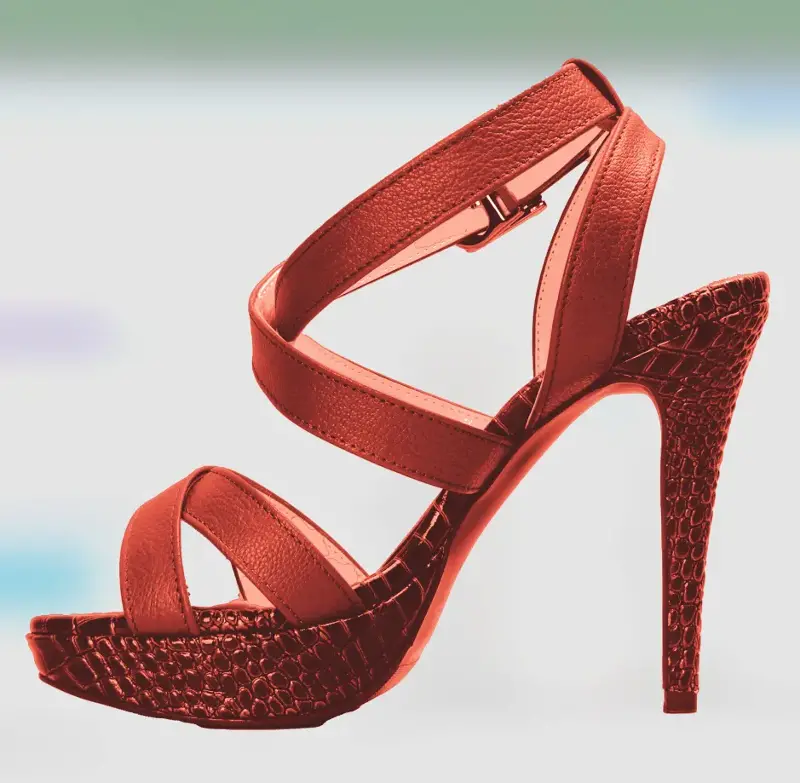
High heels.
- Bad Footwear – Stylish but unsupportive shoes (think high heels, flip-flops, or worn-out sneakers) can distort posture and walking gait. This misalignment forces the knees to bear weight unevenly, leading to cartilage wear and inflammation. The same goes for shoes that are too tight or too soft, which fail to provide the right stability.
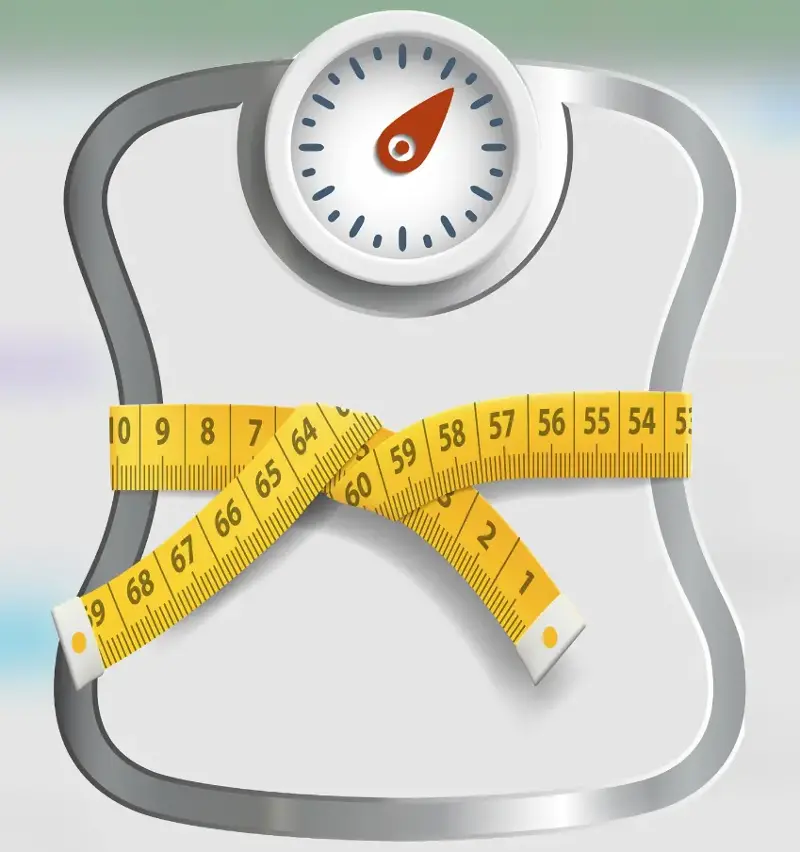
weighing scale. Cartoon style.
- Weight and Joint Load – Every extra kilogram adds roughly four kilograms of pressure on the knees when walking. Over time, that extra load compresses the cartilage and increases friction between bones. Even a modest weight gain can significantly accelerate knee degeneration, a reality that is often overlooked until pain sets in.
- Overuse and Underuse – Ironically, both too much and too little movement can harm the knees. Overzealous workouts, like high impact running or sudden increases in training intensity, can lead to micro-tears and inflammation. On the flip side, a sedentary lifestyle causes the supporting muscles to weaken. The knee joint thrives on balance – enough movement to keep it lubricated, but not so much that it is overloaded.
- Ignoring Early Warning Signs – A little swelling here, a bit of stiffness there – these are often dismissed as fatigue. But pain is the body’s way of warning that something is amiss. When ignored, minor inflammation can evolve into chronic synovitis or early osteoarthritis. The longer one delays seeking treatment, the harder it becomes to reverse the damage.
WHEN PAIN BECOMES A HABIT
The human body is remarkably adaptive. Over time, the brain learns to tune out recurring pain signals, leading to what experts call “pain habituation.” You may stop noticing the discomfort consciously, but the inflammation continues beneath the surface.
This silent suffering has long-term consequences. Chronic knee pain alters how you walk and move. This is what doctors call “compensatory movement.” You might shift more weight to the other leg or adjust your gait slightly, which in turn stresses the hips, ankles, and lower back. What began as a knee issue can evolve into a full-body problem. Moreover, constant low-level inflammation triggers the release of stress hormones like cortisol, which can affect sleep, energy, and even immune function. Ignoring pain does not just hurt your knees, it can affect your overall well-being.
WHEN TO SEEK HELP
It is tempting to self-medicate with over-the-counter painkillers, but that only masks symptoms. Instead, the following red flags warrant professional evaluation:

When to seek help infographics
These may signal underlying issues such as cartilage wear (chondromalacia), early arthritis, or ligament strain. Early diagnosis, often through physical examination or imaging, can prevent irreversible joint damage.
LIFESTYLE CHANGES THAT MAKE A REAL DIFFERENCE
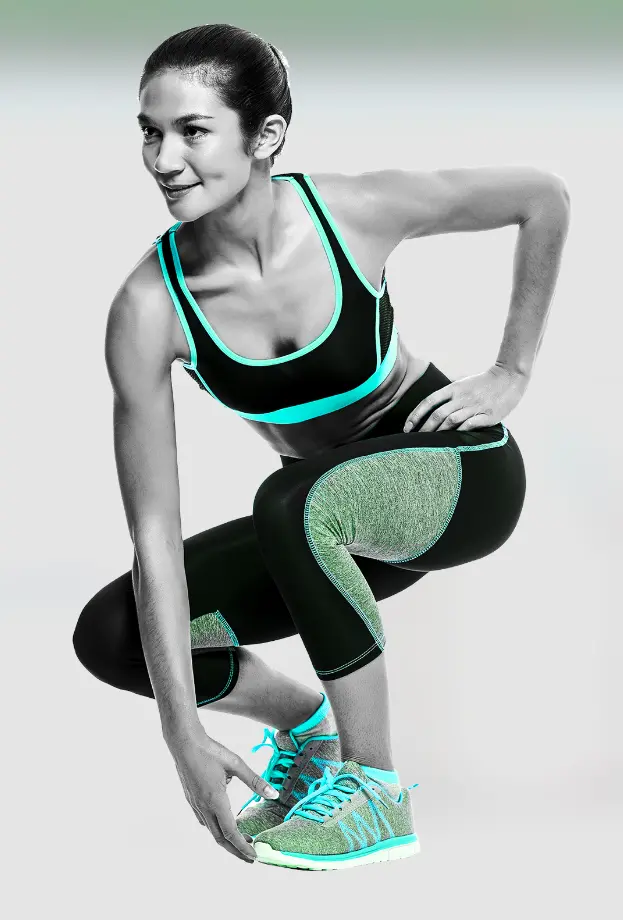
Athletic woman stretching
Preventing knee pain or halting its progression does not require drastic measures. It is about making conscious, everyday choices that strengthen the muscles, protect the joints, and promote healing. Pay attention to the following:
1. Move Mindfully, Every Hour – Set a timer to stand, stretch, or take a short walk every hour if you work at a desk. Gentle leg extensions, ankle circles, or squats can restore blood flow and keep the knee joints lubricated.
2. Build Strength Where It Matters – Strength training, particularly targeting the quadriceps, hamstrings, and glutes, can help to stabilise the knees. Low-impact exercises such as swimming, cycling, or using an elliptical trainer, can strengthen muscles without stressing the joints. Pilates and yoga can also improve flexibility and balance.
3. Rethink Your Shoes – Supportive footwear is a simple yet powerful fix. Choose shoes with firm soles and good arch support. If you walk or run regularly, replace shoes every 6-8 months. For those with flat feet or uneven gait, custom orthotic insoles can redistribute pressure more evenly.
4. Mind Your Weight – A balanced diet rich in lean proteins, whole grains, and anti-inflammatory foods like berries and fatty fish can help maintain a healthy weight, and by extension, healthier knees. Even a 5% reduction in body weight can significantly reduce joint pressure and pain.

Senior man brisk walking
5. Practise Good Posture – Whether standing or sitting, posture affects knee alignment. Keep your feet flat on the floor, avoid crossing your legs for long periods, and maintain an upright spine. For those with office jobs, ergonomic chairs and footrests can help.
6. Warm Up and Cool Down – Before exercising, take at least 10 minutes to warm up the muscles. Gentle stretches and light aerobic activity prepare the joints for motion. Post-exercise, cooling down with stretches can prevent stiffness and micro-tears.
TREATMENT OPTIONS FOR WORSENING KNEE PAIN
When lifestyle changes are not enough, medical intervention can help to restore function and comfort. You may want to consider these treatment options for your worsening knee pain.
- Physiotherapy: Targeted exercises improve joint mobility and muscle strength. Therapists may also use ultrasound or electrical stimulation to reduce inflammation.
- Injections: For moderate cases, corticosteroid or hyaluronic acid injections can relieve pain and lubricate the joint.
- Regenerative Treatments: Platelet-rich plasma (PRP) therapy and stem cell therapy are gaining traction
for promoting tissue repair. - Surgical Options: In advanced cases of osteoarthritis or cartilage damage, arthroscopy or partial
knee replacement may be considered.
The key lies in early action. The longer one delays seeking proper treatment, the more complex and invasive the solutions become.
KNEE HEALTH IS WHOLE-BODY HEALTH
Knee pain is not an isolated condition; it reflects the interconnectedness of the body. Weak core muscles, tight hips, or poor posture can all contribute to knee strain. Likewise, addressing knee pain often leads to broader improvements in strength, balance, and mobility. More importantly, taking pain seriously signals a shift in how we view our health. Instead of waiting for something to “get bad enough,” we can adopt a proactive mindset – one that values prevention over crisis management.
LISTEN BEFORE IT IS TOO LATE
Pain is not the enemy. It is merely a messenger – a whisper from your body asking for attention before it has to shout. By ignoring minor knee pain, you risk turning a reversible issue into a lifelong limitation. But by tuning in early, strengthening the body, and adopting supportive habits, you give yourself the best chance at lasting mobility and comfort. So, the next time you feel that dull ache on the stairs, do not shrug it off. Pause. Stretch. Adjust. Listen. Your knees will thank you for it. PRIME