



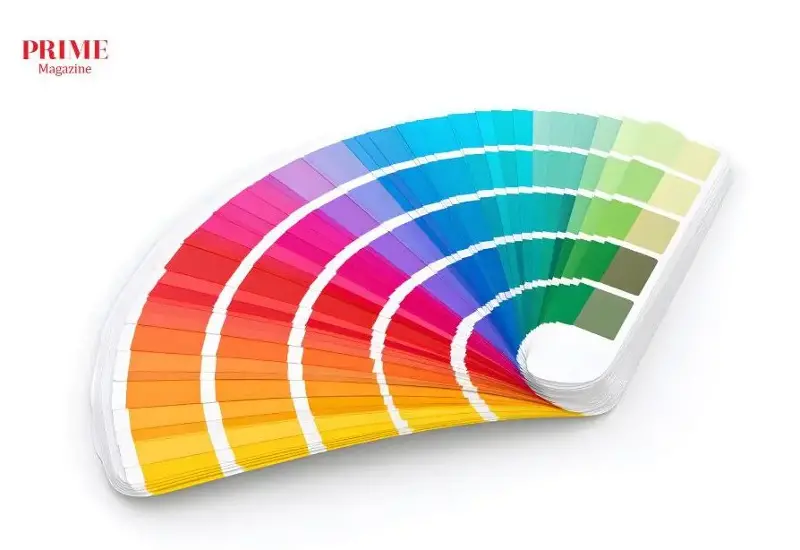
Colorful Fan Deck of Paint Color Swatches
Colours fill every part of our world, from nature to interiors to the clothes we choose each morning. Because of this, understanding colour meanings can help us recognise how different shades influence mood, focus, and emotional wellbeing. Although colour therapy is considered a complementary approach rather than a scientific treatment, these colour meanings still guide how we decorate our spaces, select outfits, or create environments that feel balanced and intentional. Below, you’ll find a clear, updated look at the emotional associations commonly linked to each colour.
Red and Its Colour Meaning

Close-Up of Pink and Red Rose Arrangement
Red represents energy, strength, and action. It captures attention instantly and encourages movement or motivation. Many people choose red when they want to feel bold or decisive. However, too much red can feel overwhelming, especially in confined spaces, so it works best in moderation.
Orange and What This Colour Symbolises

Warm-lit workspace with laptop and candles.
Orange blends the enthusiasm of red with the optimism of yellow. As a result, its colour meaning often includes creativity, warmth, and social connection. It is uplifting and can spark new ideas. Additionally, softer shades create a friendly, welcoming atmosphere, while brighter tones add playful energy.
Yellow and Its Emotional Meaning

Single Sunflower Against a Yellow Background
Yellow is widely associated with clarity, confidence, and intellect. It brightens a room and supports focus during work or study. Even so, very intense yellow may feel overstimulating over long periods. Choosing muted or pastel yellow tones offers balance while still encouraging a positive mindset.
Green in Colour Psychology
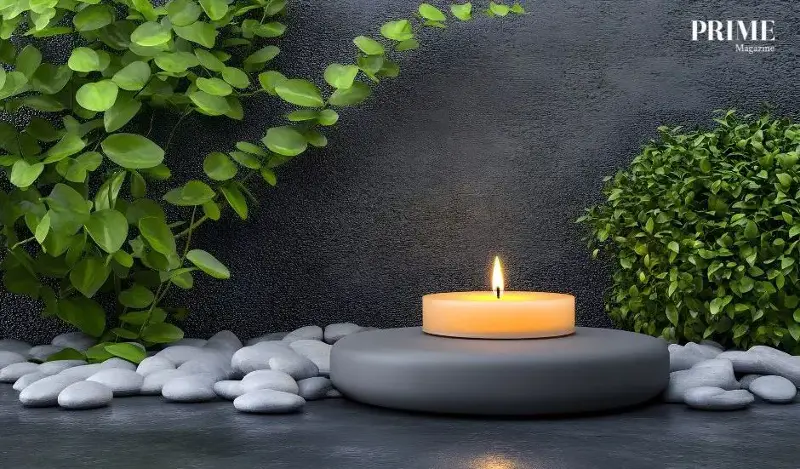
Serene candlelit spa scene with plants, stones, dark wall
Green reflects balance, renewal, and harmony, making it one of the most calming shades in colour psychology. Because it connects strongly with nature, it promotes relaxation and emotional stability. Many wellness spaces use green intentionally to reduce stress and create grounded environments.
Violet and Its Symbolic Meaning

Lavender Field Landscape with Soft Blur Effect
Violet (or purple) carries intuitive and introspective colour meanings. It encourages reflection and creativity. Lighter violets feel soothing and gentle, while darker shades can appear dramatic or contemplative. For this reason, people often choose violet when creating quiet or meditative settings.
Indigo and Emotional Colour Associations

blue indigo abstract watercolor background
Indigo often symbolises inner awareness, depth, and intuition. It supports calm thinking and helps create an atmosphere of honesty and self-reflection. Furthermore, indigo is cool and grounding, which makes it ideal for spaces intended for stillness or deep focus.
Blue and Its Colour Meaning

Calm, vast ocean meets a serene sky
Blue represents communication, peace, and emotional clarity. It is one of the most universally liked colours, often used to evoke calmness and stability. Light blues feel serene, whereas darker blues convey confidence and dependability. Consequently, blue supports relaxation and enhances open, thoughtful communication.
White and Its Symbolic Meaning
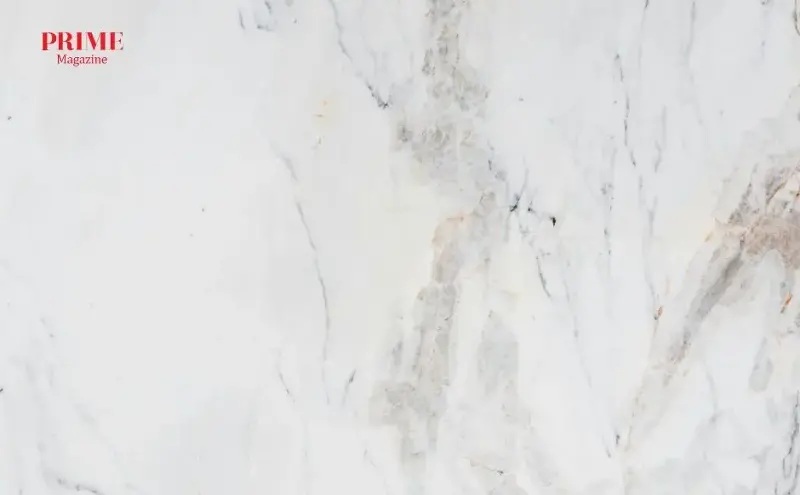
White marble patterned texture background.
White stands for purity, simplicity, and new beginnings. It creates a sense of space and openness and pairs easily with any colour. Additionally, white amplifies surrounding colours, making it a natural foundation for balanced design or minimalist spaces that feel fresh and uncluttered.
Black in Colour Psychology

Entrance Black Door in the Apartment Interior
Black signifies strength, protection, and sophistication. It adds depth and contrast to visual design and helps create a sense of control or authority. Even though black offers grounding qualities, using it alongside lighter shades prevents environments from feeling heavy or closed in.
Brown and Emotional Colour Meaning

Cozy Candle and Book on Table.
Brown symbolises stability, comfort, and groundedness, reflecting its strong connection to earth and nature. It feels reassuring and dependable, making it a popular choice for warm, cosy homes. Moreover, brown encourages calmness, which makes it suitable for living spaces, offices, or reading nooks.
Conclusion: Why Colour Meanings Matter
Colours do more than decorate our environment — they influence how we feel, think, and connect with the spaces around us. By understanding colour meanings, we can make intentional choices that support creativity, calmness, clarity, or strength. Whether you seek energy from red, harmony from green, focus from yellow, or serenity from blue, choosing colours consciously helps shape environments that feel meaningful, uplifting, and uniquely yours. PRIME