




As people move into their 60s and beyond, maintaining good health often becomes a priority. With chronic conditions, mobility changes and shifts in digestion or nutrient absorption, many older adults rethink their diets to boost vitality, reduce medication use and enjoy a better quality of life. Plant-based diets such as vegetarian and vegan eating patterns have become increasingly popular among people who want to support healthier ageing.
There are many variations of vegetarian diets. A pescatarian diet excludes meat and poultry but includes fish, seafood and possibly dairy or eggs. A lacto-ovo vegetarian diet excludes all meat, poultry and fish but includes eggs and dairy. A vegan diet excludes all animal products, including honey and gelatine.
So, are plant-based diets suitable for older adults? Generally, yes — but they require thoughtful planning. A well-balanced vegetarian or vegan diet can support healthy ageing, reduce the risk of common age-related diseases and help manage existing health conditions. However, nutritional needs change with age, and not everyone will benefit in the same way. Some people may need supplements or diet adjustments to stay healthy on a fully plant-based diet.
CONSIDERING A PLANT-BASED DIET IN LATER LIFE
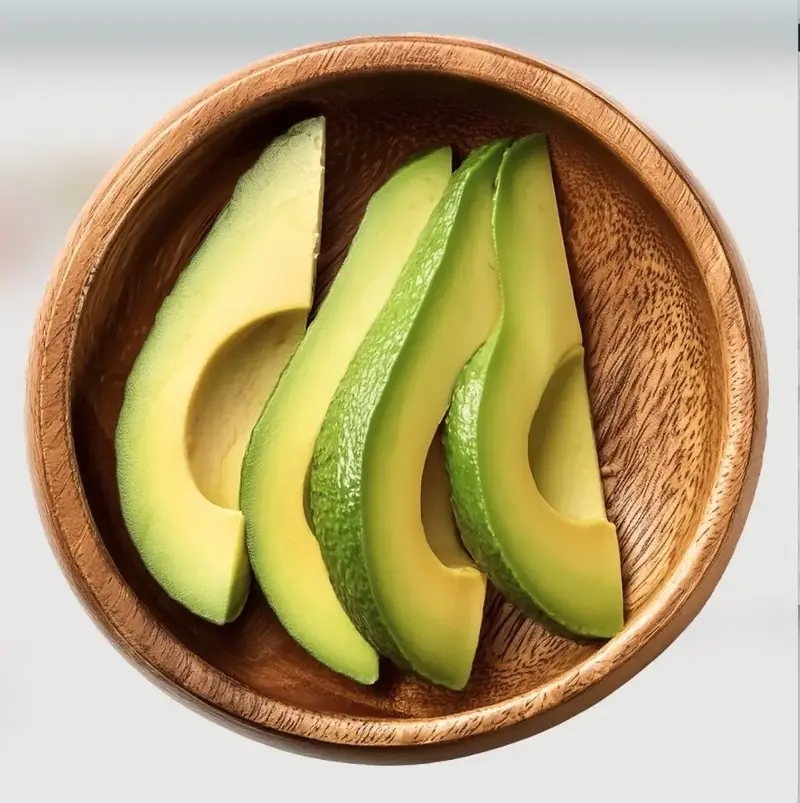
Sliced of avocado
Decades of research show that eating more fruits, vegetables, whole grains, legumes, nuts and healthy oils often leads to a longer life and lower rates of chronic diseases such as heart disease, stroke, Type 2 diabetes and certain cancers. These foods form the foundation of vegetarian and vegan diets.
Why Plant-Based Eating May Help Older Adults
For people aged 60 and above, plant-based diets may offer several benefits:
-
High-fibre foods support digestion and may help with constipation.
-
Anti-inflammatory foods support joint health and may reduce discomfort from arthritis.
-
Diets lower in saturated fat can help manage cholesterol and blood pressure.
-
Calorie-light but nutrient-dense foods may support healthy weight management.
Many older adults also report feeling lighter, more energetic and mentally clearer after shifting toward plant-forward eating. Reducing the intake of processed meats or high-fat foods can lower inflammation, support stable energy levels and reduce digestive strain.
A Note of Caution: Stroke Risk in One Study
A 2019 study published in BMJ found that vegetarian diets were associated with slightly higher rates of haemorrhagic (bleeding) stroke compared with diets that included meat — about three additional cases per 1,000 people over ten years. This finding has not been consistently observed in other studies, but it highlights the need for balanced nutrition and regular medical check-ins when adopting major diet changes.
NUTRITIONAL NEEDS CHANGE WITH AGE
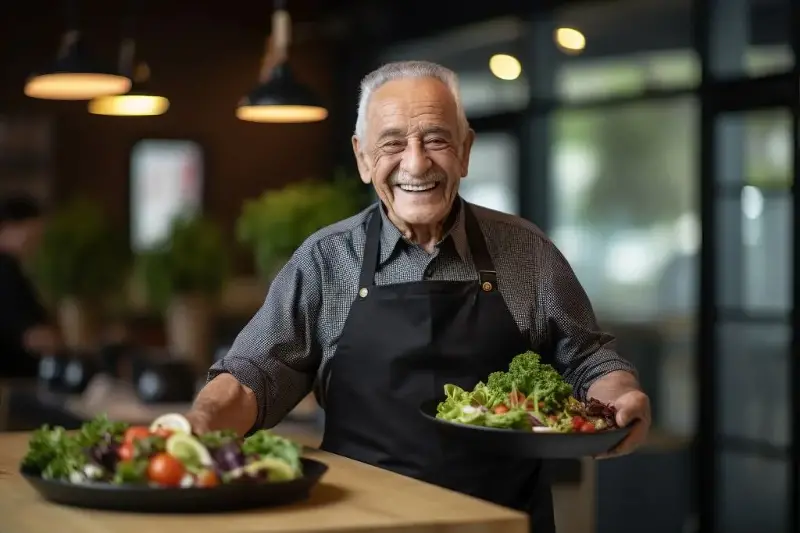
Portrait of happy senior man holding plate with fresh salad in restaurant
As we age, our bodies become less efficient at absorbing certain nutrients. People in later life must pay attention to key vitamins and minerals, especially when following vegetarian or vegan diets.
Vitamin B12: A Critical Nutrient
Vitamin B12 supports nerve health, memory and energy levels. Since this vitamin is almost entirely found in animal products, plant-based older adults must rely on fortified foods or supplements. Reduced stomach acid — common with ageing — also makes B12 harder to absorb. Regular B12 blood tests with a family doctor are advisable.
Calcium and Vitamin D: Protecting Bones
Calcium and vitamin D are crucial for bone strength, especially for postmenopausal women. Dairy foods contain both nutrients because many products are fortified. Plant-based sources include:
-
Fortified plant milks
-
Tofu
-
Almonds
-
Leafy greens
-
Fortified cereals and vitamin D supplements, plus sunlight exposure
Missing these nutrients may increase the risk of fractures.
Iron: Absorption Changes With Age
Plant-based iron is less easily absorbed than iron from meat. People with low appetite, chronic illness or prior blood loss must monitor iron levels. Eating vitamin C-rich foods — such as citrus fruits or tomatoes — alongside plant iron sources can improve absorption.
Protein: Essential for Strength and Repair
Muscle mass naturally declines with age, making protein vital for maintaining strength, mobility and immune function. Reduced appetite, difficulty chewing or dietary restrictions can make protein intake challenging for older adults.
Plant-based protein sources include:
-
Beans and lentils
-
Tofu and tempeh
-
Quinoa
-
Nuts and seeds
-
Fortified cereals
However, a 2024 study in The Journal of Nutrition, Health and Ageing found that replacing animal protein with plant-based alternatives may reduce both the quantity and quality of protein in diets for older adults. The reduction was small in non-vegan diets but more significant in fully vegan diets.
Omega-3 Fats: Supporting Heart and Brain Health
Fish provides DHA and EPA — omega-3 fats linked to heart, brain and eye health. Older vegans can obtain these from algae-based supplements. ALA, found in flaxseeds and walnuts, is helpful but converts poorly to DHA and EPA.
A 2019 study in The Journal of Nutrition found that vegan diets resulted in higher blood levels of antioxidants and some omega-3 markers compared to pescatarian or lacto-ovo diets. However, this finding comes from a single study, and most research does not separate vegetarian types.
THE CHOICE OF GOING VEGETARIAN OR VEGAN

Vegetable salad
Plant-forward diets benefit most people, but the answer varies for people over 60. Some older adults may struggle to meet their nutrient needs on a strict vegan diet without supplements.
A 2022 study in Advances in Nutrition raised concerns about vegan diets for older adults. It suggested that the lower anabolic (muscle-building) potential of plant protein might compromise muscle mass and strength in later life. For those who already experience frailty, unintentional weight loss or chronic illness, this is a significant consideration.
Who Might Not Thrive on a Fully Vegan Diet?
-
People recovering from surgery
-
Those with high nutrient requirements
-
Individuals with digestive issues or poor appetite
-
Anyone needing more concentrated protein sources
In these cases, including eggs, dairy, fish or small portions of lean meat may be more practical.
Progress Over Perfection
Instead of aiming for strict veganism, many older adults may benefit from a flexitarian, pescatarian, or lacto-ovo vegetarian approach. Small steps — like replacing red meat with beans twice a week or switching from whole milk to fortified almond milk — can create meaningful improvements.
People who already follow vegan diets should focus on:
-
Fortified foods
-
High-quality supplements
-
Protein diversity (mixing legumes, soy, grains, nuts and seeds)
A PERSONALISED PATH TO HEALTHY AGEING
Plant-based diets can support healthy ageing, improve energy and help prevent disease — but only when tailored to individual needs. Older adults considering these diets should consult a doctor or dietitian to ensure nutrient requirements are met. With the right balance, plant-forward eating can help people thrive well into their golden years. PRIME