


Eggs are one of those kitchen staples that you buy in a hurry, store in the fridge, and then later wonder, "Is this still good to cook?” And, on top of that, the doubt hits right when you are already whisking the batter for an omelette or boiling water. No one wants a rotten-egg smell ruining the breakfast or the mood. But the good news? You do not actually have to crack an egg open to know whether it is fresh, old, or just bad. With a few quick, clever testing skills, such as floating, spinning, shining a flashlight, or even listening to it, you can judge its quality in seconds.
These simple hacks are fun, and they save you from the waste, tummy trouble, and last-minute cooking disasters. In a world where groceries are becoming expensive and time is limited, knowing these tricks will make you the smart home cook who never gets fooled by a spoiled egg again.
The Water Float Test
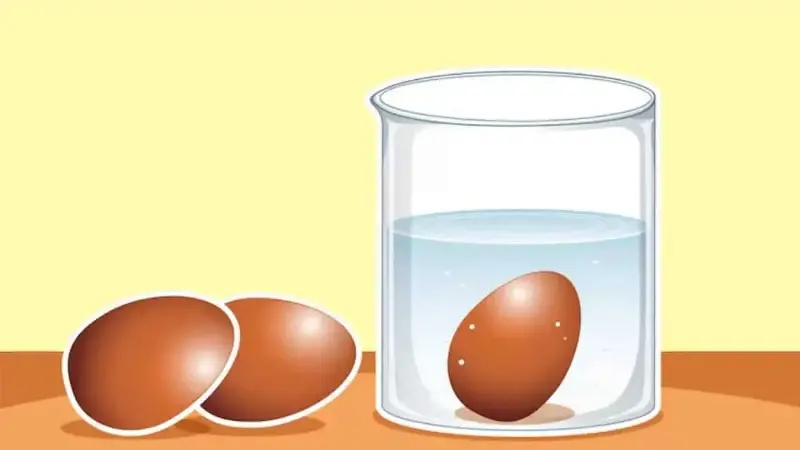
Fill a bowl with water and gently drop the egg into it. If the egg is fresh, it will sink and settle flat, like it is relaxing in the pool. A slightly older egg will stand upright but will still be underwater, which is still okay to eat. But if it floats to the top, the air pocket inside has grown a bit large, meaning it is past its prime. This test feels safest as no cracks, no mess, just a quick swim check that will tell you exactly how old the egg actually is.
(Image credit: Freepik)
The Shake Test
Hold the egg near your ear and shake it gently. A fresh egg will not make a sound because everything inside is firm and tight, like a well-packed suitcase. But if you hear sloshing or a slimy movement, it means the egg white has thinned as it is old, and the yolk is not as tight anymore. It is not always unsafe to have an older egg, but you should always check it. This simple shake test will let you know the quality issues without having to crack the shell.
The Candle Test
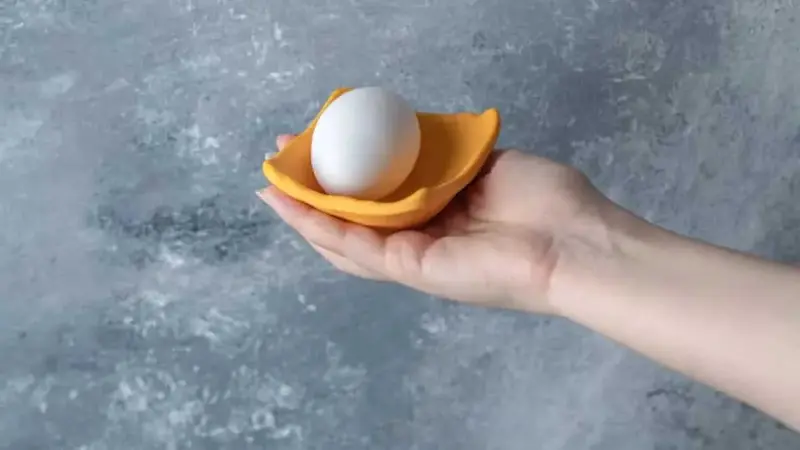
Turn off the lights, take a flashlight and hold the egg in front of it. The brighter and clearer the inside appears, the fresher the egg is. A visible small air pocket is expected, but if the air cell is big or the contents look hazy or loose, the egg is older. This test feels like giving the egg an X-ray test, which is quick, accurate and also satisfying. Also, it makes you feel like a pro even without any extensive kitchen gadgets.
(Image credit: Freepik)
The Spin Test
Place an egg on a flat surface and simply spin it, like a spinning top. Fresh eggs will spin smoothly and steadily because the insides are tight, whereas older eggs will wobble or slow down quickly as the interior has turned runny. It is almost like the egg is displaying its age through its dance moves. By this test, you will instantly know what eggs to cook today and which ones require a little extra checking before use.
The Sniff-Through-Shell Test
While not too much is said about this test, sometimes the spoiled eggs give off a faint sulfur smell even before you crack open them. Hold the egg close to your nose and sniff for a quick check. A clean, neutral smell usually means it is fine, but any odd, sour or sulfur-like scent means it is spoiled. It is surprising how frequently this works, particularly with eggs that are stored for too long. It is a simple, intuitive test that depends on your natural senses, no breaking, no tools, just your nose and senses.
(Image credit: Freepik)