



Idli-dosa batter turning tangy too quickly is one of the most common issues during the summer season. You soak the rice and dal, grind it to make a batter, leave it overnight, and wake up expecting fluffy idlis and crisp dosas. Instead, the lid opens to a sharp, too-sour smell that tells you the summer season has moved quicker than your plan.
If you wonder, thinking you did everything correctly on your part, then why did this happen? The answer is that during the summer season, it speeds up the fermentation process. The natural bacteria and yeast in the batter become more active when temperatures increase, particularly if the kitchen space is humid. What normally takes 8 to 10 hours in winter can happen in 4 to 6 hours in the months of May or June, when the heat is at its peak. If the batter sits too long after rising, it keeps fermenting and develops a stronger tang. Grinding in a mixer can also warm the batter, giving fermentation a head start before it even rests.
The good news is that sour batter does not always mean that it has spoiled. If it smells tangy but clean, not spoiled or unpleasing, you can still adjust it and use it. Here are some useful summer tips that can actually help in fixing your tangy idli-dosa batter.
Dilute The Sharpness With Fresh Batter
If your batter tastes a bit too tangy but still has a good texture, mix in a small amount of freshly ground unfermented batter. This will soften the sour flavour and will balance the overall taste in a very natural way. Even a cup or two of freshly ground batter can make a difference. It works particularly well if you have another batch that is soaking or can quickly grind some rice-rava mix. Mix it gently, rest for at least 15 to 20 minutes and then take it into use. This method feels easy because it fixes both flavour and texture without having to add anything uncommon.
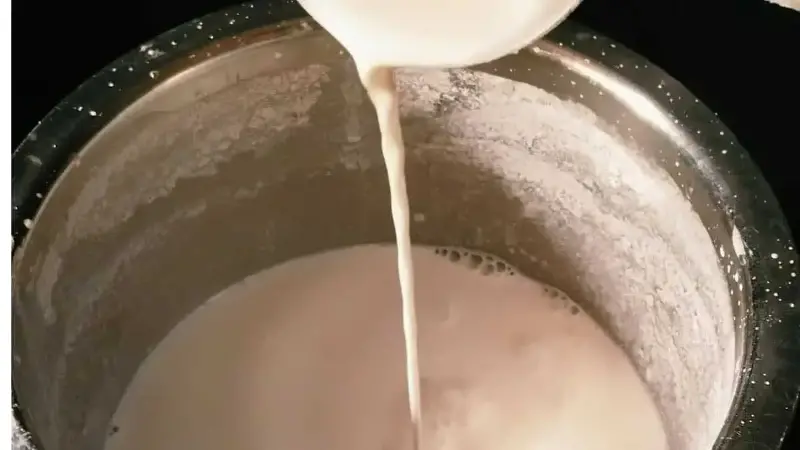
(Image credit: Wikkimedia commons)
Add A Little Rice Flour Before Making Dosas
For a dosa batter that is too sour, rice flour can help balance that intensity. Add one to two tablespoons at a time with a little water and whisk until it mixes nicely into the batter. It lightens the flavour, improves how the dosa gets spread and gives a crisp, fresher taste. This works better for dosas than in idlis because dosa batter is naturally looser. After mixing the rice flour, let it rest for at least 10 to 20 minutes before you begin making the dosas, so the flour hydrates properly.
Turn It Into Uttapam Batter
Use the tangy batter where the bold flavour actually benefits, and making uttapam out of it is perfect. Spread the batter a bit thicker than the usual dosa and top with onions, tomatoes, green chilli, coriander or grated carrot. The vegetables give it sweetness and freshness, which balance the sour notes pleasingly. Once it gets cooked golden on both sides, the tang will feel intended and not that it was repurposed. It turns out to be a flavourful breakfast rather than a kitchen mistake.
Chill The Batter To Slow Further Souring
If you notice that the batter has just begun to turn sharp, move it straight away to the fridge. Cold temperatures slow down the fermentation process and stop the flavour from turning too strong as time passes. Use a clean spoon to stir once, then refrigerate in a container with a bit of room to let the batter rise a bit. In Indian homes, it is a common practice to leave batter out on countertops for one or more hours during the peak summer season, only to regret it later.
Add A Pinch Of Sugar Only While Cooking
If the tang is a bit mild but still evident, add a tiny pinch of sugar to the portion you will be using immediately, and not to the whole batch. This does not make the batter sweet, but it simply rounds off that sharp acidic tang, particularly which is very evident in dosas or paniyaram. Use very little, just enough to balance the taste. Think of it as seasoning and not a sweetening agent. This is a useful last-minute fix when you have already decided to make dosas or idlis for lunch or dinner.
Repurpose It Into Paniyaram Or Appe
Some batters may be too sour for soft idlis, but can be perfect to use for paniyaram. In the batter, mix in chopped onions, curry leaves, grated ginger and green chilli, then cook in an apple pan. The crisp edges, flavours of tempering and bite-sized shape will make the sourness far less evident. In fact, a bit of tang often tastes pleasant here. This is one of the smartest rescue possibilities because it changes the battery thoroughly with little effort.

(Image credit: Freepik)
How To Check If Batter Has Turned Tangy But Not Spoiled
Idli-doa batter in the summer season often smells much stronger than normal, but tangy does not always mean it has turned bad. Fermentation naturally gives it a sour note, particularly when the summer season is at its peak. Before you begin cooking, it is important to know whether the batter has just turned sour or has been spoiled.
Smell It Carefully
A tangy batter usually smells sour but fresh, like a yoghurt or curd. Spoiled batter, however,r smells harsh, almost rotten and unpleasant enough to make you twice before making anything out of it.
Look At The Surface
If the batter has fermented nicely, it will appear airy, risen, or a bit settled after it has been refrigerated. Spoiled batter, however, can show unusual discolouration, grey patches, pink spots or visible mould. Any fuzzy growth indicates that it should be discarded instantly.
Check The Texture
Tangy batter may appear to be thinner than before because fermentation loosens it up a bit, but it should still stir smoothly. If it has become stringy, slimy, split oddly or feels sticky when you stir, it's best to avoid using it.
Taste A Tiny Bit
If everything appears to be fine, and you are still confused, taste a bit of it, just a pinch. Normal over-fermented batter will taste sour and strong, but still edible. Spoiled batter can taste bitter, stale or strangely fizzy in an unpleasant way.
Observe While Cooking
Instead of going out to make a whole batch of idlis, pour a small dosa or mini uttapam, preferably first. If the batter is usable, it will spread, get cooked, and smell normal on heat. Spoiled batter may emit an off smell, turn brown too fast or fail to cook appropriately despite the pan being hot.