


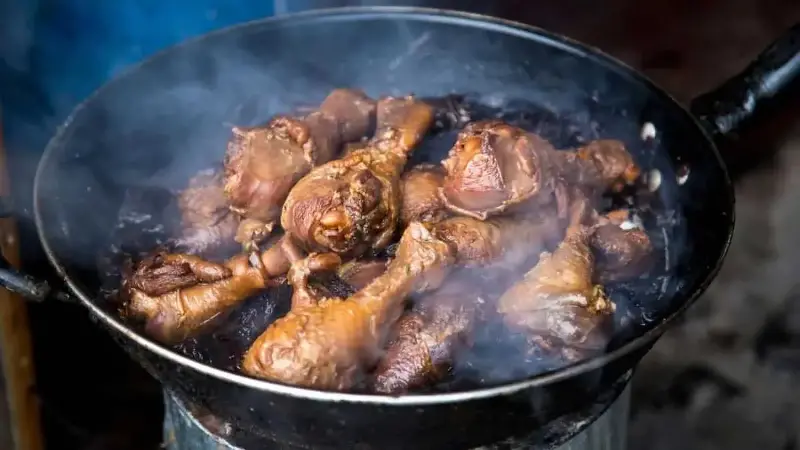
When a stovetop recipe demands that the flame be set to a low, medium or high, it implies the direct application of heat on a vessel in which food is actively cooking. Depending on the capacity of a particular kind of stovetop, the intensity with these settings impact the doneness of a dish could vary significantly. Like an oven, the stovetop is an inevitable feature of a cooking space; the type of burner—gas, electric or induction—creating a distinction that has its share of limitations. In addition to this, the size of the pots or pans operating on them also tend to receive heat differently—making it necessary to understand why heat application has a direct consequence to how well or worse food has cooked. For example, a large cast iron skillet might hold heat consistently over a period of time when used over a gas burner as opposed to a thin-base nonstick pan on an induction.
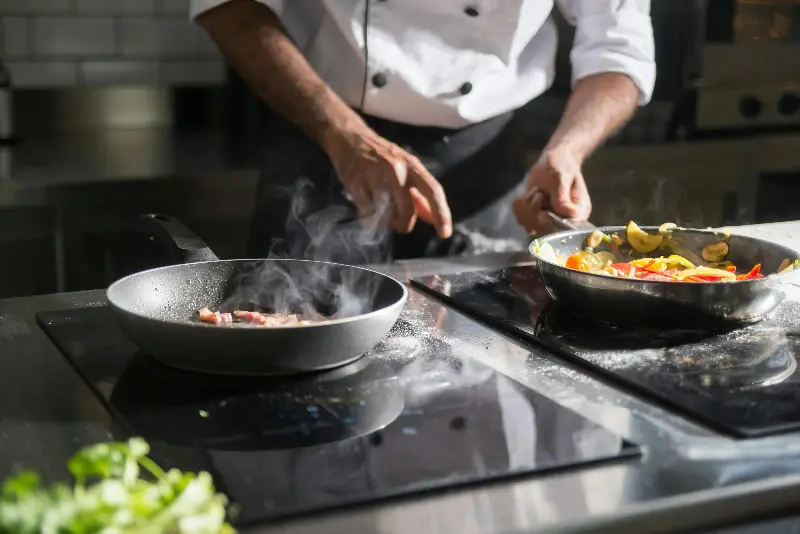
Image Credits: Pexels
What Is ‘Medium Heat’?
If looked at closely, recipes always suggest durations of heat applications at varying degrees along with certain sensory cues which help identify if the result is favourable. For example, oil which is used for deep-frying food shimmers on the surface when reaching the perfect temperature. Onions are cooked from soft to caramelised based on how high and how long heat has been applied to it, helping modify its flavour according to the demands of a dish. Similarly, with ingredients like chicken breast, it is indicated that the pan reach a smoking level of hot before it can be placed on the surface—as a way of helping it develop the perfectly brown crust. The duration typically is a quantitative estimate of how long a specific element must cook before it is succeeded by another.
Also Read:
Food Science: How The Egg’s Temperature Affects Desserts
Reading The Stovetop

Image Credits: Unsplash
If the instruction of a recipe requires a medium or medium-high heat, it isn’t usually a reference to how the dial on the burner tilts but to how the pan and the food reacts to it. Over low heat, butter melts and bubbles gently whereas it sizzles in a pan placed over a high heat. Based on the need of a recipe, the behaviour of the dairy could be desirable to achieve a specific kind of outcome. Similarly, oil shimmers over medium heat which is said to be the steadiest setting, and onions sizzle when they come in contact—leading it to brown gently and gradually, instead of turning burnt or crispy. For a pan placed over medium-high heat, the possibility of a slight smoke is open while also facilitating the oil moving quicker across its surface, thus helping food start cooking briskly upon contact as well as brown quicker. If the oil or ingredients put into it smoke immediately, it means that the pan has been placed over high heat that is accompanied by an aggressive crackle—particuarly conducive to helping food develop a crisper crust. What remains consistent across heat applications is the sound cue—if the pan is too quiet for ingredients to begin cooking, it is advisable to increase the heat; if food makes too much of a sizzle in the pan, it is advised to turn the heat to a medium or low.