


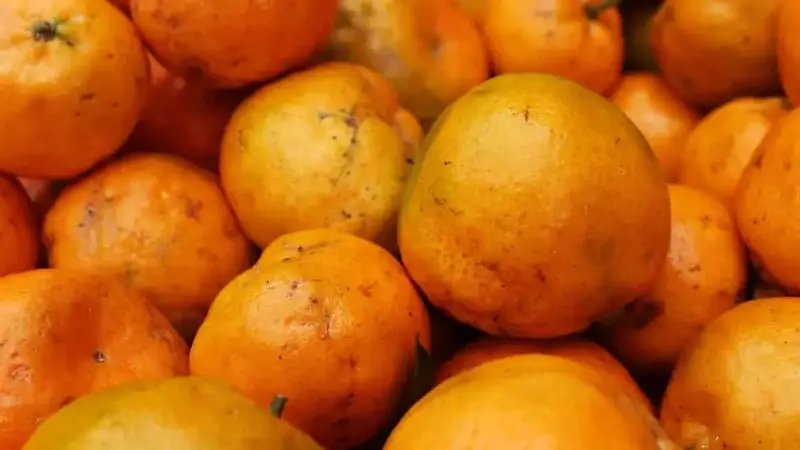
The Darjeeling Mandarin Orange variety was granted the Geographical Indication(GI) tag by the GI registry on November 24, 2025. Registered under the proprietorship of the Darjeeling Organic Farmers Producer Organisation (DOFPO), the process was facilitated by the Uttar Banga Krishi Vishwavidyalay (UBKV) and Patent Information Centre (PIC). The recognition—which is expected to encourage cultivators to revive the practice of growing the citrus fruit—came in at a time when its production has been dwindling over the past 15 years due to virus and pest attacks. Known to be a distinct aspect of the region’s heritage, the orange is the third product to have earned the prestigious title following Darjeeling Tea and the red cherry pepper or dalley khorsani. Belonging to the same family as the Khasi mandarin, what also makes the eastern Himalayan citrus stand out is is sugar to acid blend and extended shelf life.
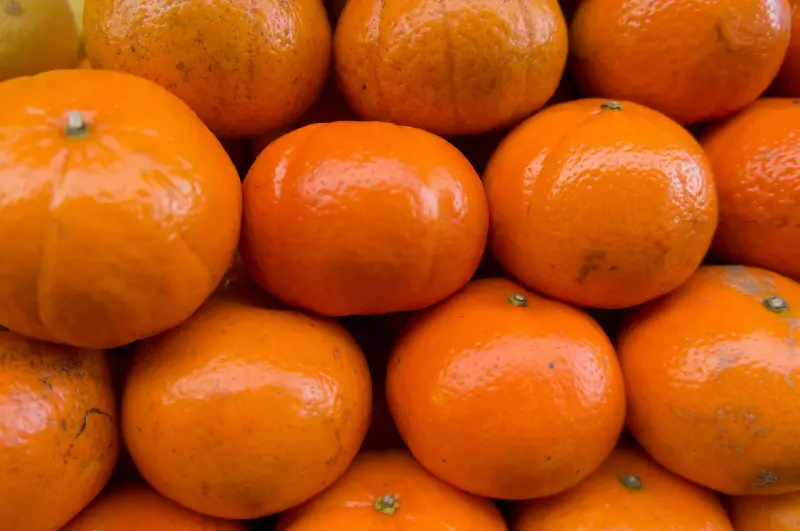
Image Credits: Unsplash
In a statement released to the press, Darjeeling’s MP Raju Bista said, “The GI tag celebrates the unique qualities of our ‘suntala’ (as known in the hills) grown only in the cool, misty hills of Darjeeling and Kalimpong districts. Its sweetness, aroma and distinct flavour come from the special climate and soil that make our mandarins unlike any other.” He also highlighted that other produce such as the region’s cardamom, ginger, iskus, plum, garendal (passion fruit), rayo-ko-saag, bhadrase, pineapple, masem ko dal and kaulo also deserve the GI status to be brought to them through unified efforts. Following the newfound recognition for the citrus variety, the next phase involves enlisting growers across Darjeeling and Kalimpong as ‘Authorised Users’ as a way to enable them to legally market their produce and avail fair compensation. Said to be juicier sweeter than the Nagpur orange, plans are also underway to expand the marketing of the produce. Grown over an estimated area of 4,150 hectares in the hills, the cultivation has declined since to yield a meagre 29 metric tonnes from the 52 that was last recorded.
Also Read:
Underrated Citrus Fruit Varieties Everyone Should Know About
Adding to his statement, Bista also said that, “It will enable our Darjeeling Mandarin Orange to gain greater authenticity and market value. It will open up doors to premium national and international markets. Further, it will help prevent misuse of the 'Darjeeling' brand and ensure that farmers receive better prices for genuine fruit grown in our hills. This new status also encourages investment, better farming practices, and renewed interest among young growers.” Tallying up to a total of 11 horticultural products from Bengal receiving the prestigious title, a 2016 data report suggested that both Darjeeling and Kalimpong districts produced 15,000 metric tons of oranges that were largely exported and in high demand in European markets. The mandarin oranges are also touted to be a major cash crop for the town and are used across a variety of food preparations, wines and spirits as well as handicraft products. Another special feature of the winter fruit is its purple colour in the peel when unripe.