


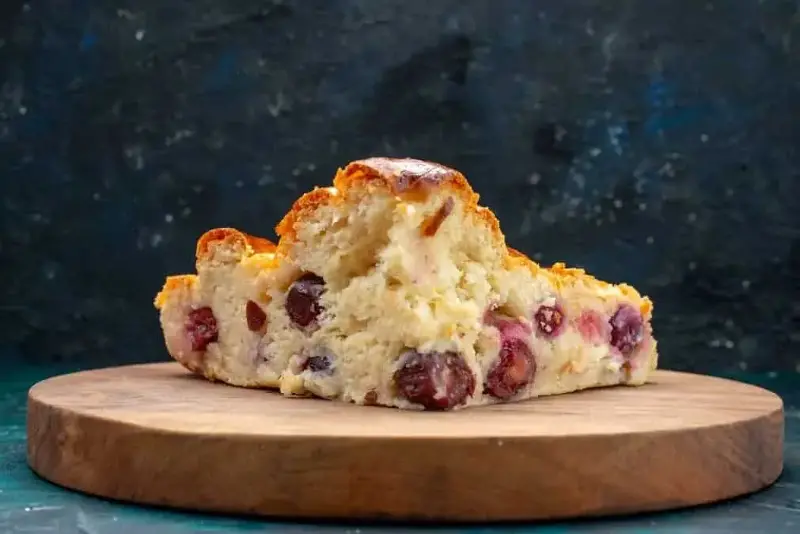
A plum cake stands as a true Christmas staple, the kind of classic that feels stitched into the season itself. It has a deep, fragrant sweetness that comes from slow-soaked fruits turning soft inside the crumb. The texture stays spongy, giving each slice a comforting, celebratory feel. Its dark, caramelised exterior looks festive on any table, while the rich, jewel-like fruit pieces inside add colour and charm. A well-made plum cake is timeless and proudly traditional, which is exactly why it continues to anchor holiday gatherings year after year.
Plum cake has one of those glow-up histories throughout the world. It started in medieval Europe as a dense “plum porridge” stirred during winter feasts, back when the word “plum” meant any dried fruit, not just actual plums. As trade routes expanded, people began adding raisins, currants and warm spices, slowly shifting the dish from a heavy pot mixture into a baked celebration cake.
By the 18th century, it became a proper Christmas tradition in Britain, evolving into richer versions shaped by regional ingredients and family rituals. When the recipe travelled through colonies and port cities, each community adapted it again, creating lighter, fruit-forward, spiced or rum-soaked forms depending on local tastes. Today, plum cake stands as a festive constant, carrying centuries of tweaks, migrations and holiday nostalgia in every slice.
Read More: 8 Different Types Of Plum Cakes You Should Try This Christmas
5 Plum Cake Varieties Around The World
(Image Credits: Freepik)
1. British Christmas Plum Cake
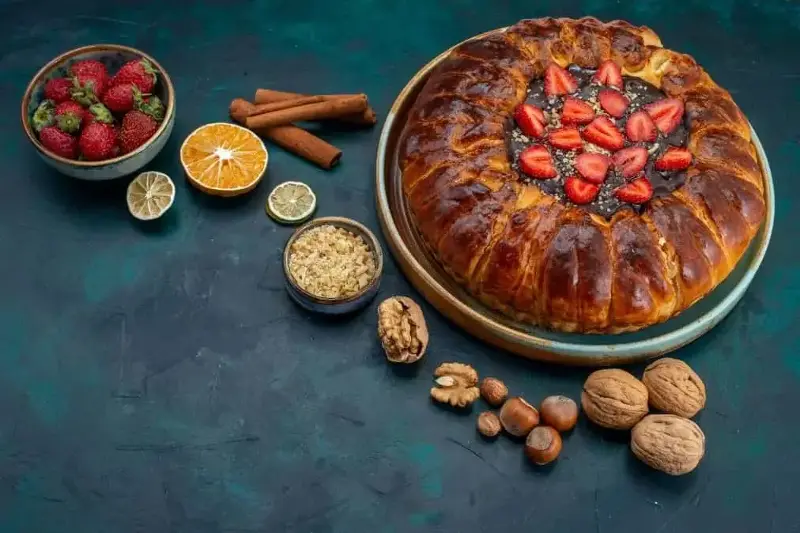
The British Christmas plum cake is the version most people picture when they imagine a traditional holiday table. It grew out of an old winter ritual of soaking dried fruits for weeks, letting them slowly swell and sweeten before being folded into a dense batter. What makes this cake distinct is the way every element is deliberate rather than decorative. The crumb stays firm, almost pudding-like, creating a slice that holds its shape while still feeling rich and soft. The fruit brings depth without overwhelming the palate, offering gentle sweetness and the natural tang of currants alongside raisins. A good British plum cake develops character as it rests, which is why many families make it well in advance. Over time, the flavours settle into a unified profile that people associate strongly with Christmas.
2. Kerala Plum Cake
Kerala plum cake is most closely associated with the Kerala Syrian Christian community, who adopted and adapted the British Christmas fruitcake into a softer, caramel-toned version that became a regional hallmark. This plum cake is especially popular in central Kerala, particularly in districts such as Kottayam, Ernakulam, Thrissur, and Pathanamthitta, where long-standing Christian communities and historic bakeries helped the recipe evolve.
Kerala’s plum cake has become one of India’s most recognisable Christmas treats, shaped by spice routes, coastal trade and the baking traditions introduced by European settlers. Unlike the heavier British style, the Kerala version leans into softness and balance. The fruits are often caramelised lightly before they go into the batter, which gives the cake a warm sweetness without making it cloying.

(Image Credits: Freepik)
The crumb stays airy enough even for people who do not enjoy dense festival cakes. The colour tends to be darker because of the caramel used, giving the slices a warm, almost amber glow. Over time, Kerala plum cake has become a signature holiday item, sold in every bakery and carried across cities as a symbol of December celebrations.
3. Jamaican Christmas Cake
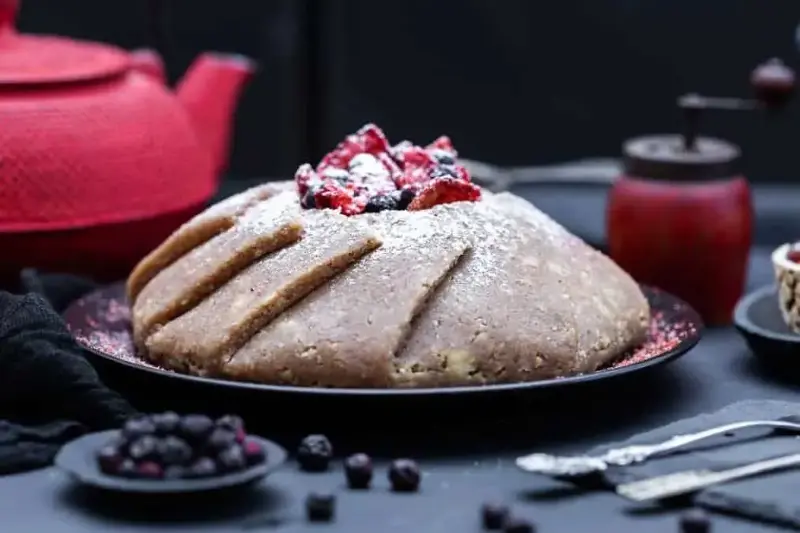
The Jamaican Christmas cake takes the idea of plum cake and amplifies it through long preparation as well as local flavour traditions. The foundation lies in a fruit mixture that is often soaked for months, creating a smooth blend where the fruits soften completely and almost melt into the batter. The cake is dark, moist and intense, with a depth uncommon in most other versions around the world. The texture is closer to a luxurious dessert than a typical holiday bake. Jamaican families treat the fruit mixture as an heirloom element, refreshing it throughout the year and using it across multiple baking seasons. The sweetness in this cake has an earthy tone because of the dark sugars often used, which also contribute to its signature deep colour.
(Image Credits: Freepik)
4. German Stollen
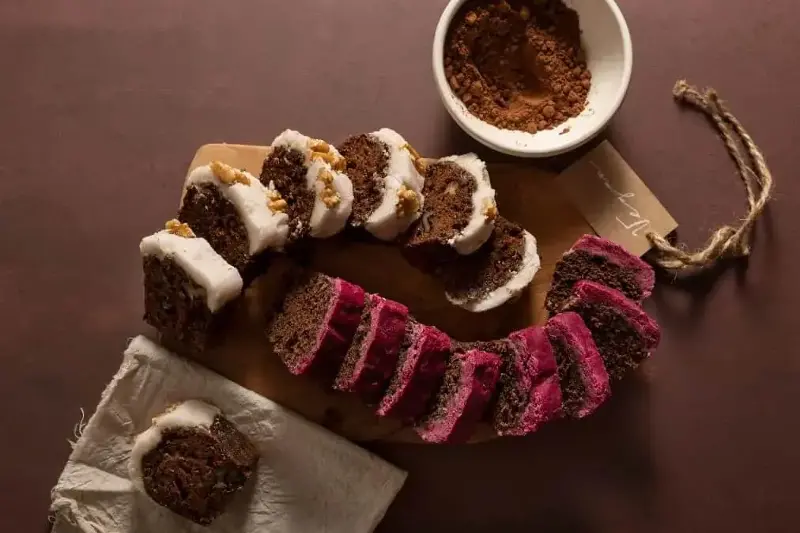
German stollen is a classic winter bread-cake hybrid that stands out immediately because of its shape and texture. It is not as heavy as a traditional plum cake and not as airy as standard sweet bread, settling somewhere between the two. The dough uses enriched ingredients that keep it supple, giving each slice a tender crumb that contrasts with the scattered dried fruits inside. The fruit pieces stay distinct rather than melting into the base, which gives the stollen a balanced bite. One of its most recognisable features is the thick dusting of sugar on top, creating a snowy appearance that has become a hallmark of German Christmas baking. Each region in Germany has its own style, ranging from denser versions to lighter, more buttery interpretations. The cake ages well, improving gradually as the flavours settle and the crumb softens.
(Image Credits: Freepik)
5. Sri Lankan Rich Cake
The Sri Lankan rich cake stands among the most elaborate festival cakes in South Asia, known for its deep colour, tight crumb and carefully balanced fruit profile. Preparation often begins weeks beforehand, allowing the fruit mixture to soften and develop a layered sweetness. Compared to lighter regional cakes, the rich cake earns its name through texture and taste rather than heaviness. It cuts cleanly, holding a dense structure that still is soft when eaten. The cake’s depth comes from the combination of caramel tones, slow mixing and patient resting. People often wrap individual slices as gifts, turning the cake into a gesture of respect and affection during festive seasons.