


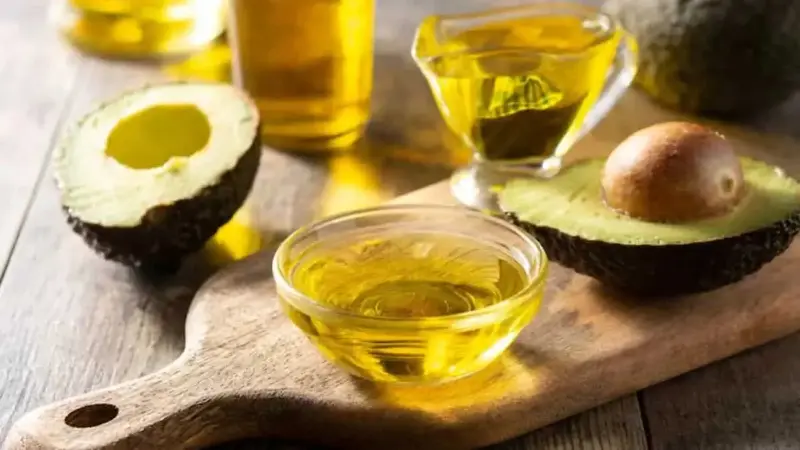
Avocado oil is rapidly being used as a premium selling point in many packaged foods. However, a new study from the University of California, Davis now raises a concern regarding whether the oil perfectly matches the list of ingredients that is generally printed on the label.
As per the study, researchers examined around 54 products and evaluated the chemical composition of the oils extracted from them. Rather than depending on packaging claims, they compared the samples against the fatty acid and sterol profiles selected for authentic avocado oil. The study found that 48 products did not fall within those predicted profiles.
These findings are important because avocado oil can impact how a product is placed and priced, whereas consumers have no straightforward way to verify its authenticity at home.
What Did The Study Test?
Instead of testing bottled avocado oil, researchers examined foods in which avocado oil was used as the sole declared edible oil ingredient. The sample covered the three day-to-day packaged-food types: chips, mayonnaise and salad dressings. To keep the comparison more focused, the researchers selected products whose labels had the name of avocado oil as the only stated edible oil.
Further, the oil from each food was separated before analysing its composition.
The category-wise results revealed a striking pattern: 26 of 28 chip samples, 10 of 14 mayonnaise samples and all 12 salad dressing samples were incompatible with what they had demonstrated. Only six products across the whole sample met the criteria for authenticity.
Taken together, these revelations clashed with the expected composition of real avocado oil and indicated the presence of other vegetable oils in the product as well
The team also experimented to determine whether processing could have changed these chemical features. Laboratory experiments that involved frying and emulsification showed fairly small changes in the characteristics used for authentication.
(Image credit: Freepik)
Does 89% Mean These Foods Had No Avocado Oil?
Not necessarily. This is an essential distinction in analysing the study.
The researchers found that the extracted oils had compositional patterns varying from authentic avocado oil. That indicates possible substitution or dilution with some other vegetable oils, but the study did not specify exactly how much avocado oil was present in every product that failed to comply with the criteria.
So, rather than saying that 89% of the products had “no avocado oil”, the more correct conclusion is that 48 of 54 products did not match the established compositional profile of authentic avocado oil.
(Image credit: Freepik)
What Does The Study Mean For Consumers?
The findings do not mean that every product that has an avocado oil claim means it is adulterated, but they do show why claiming a "premium oil" tag deserves closer scrutiny. As a consumer, you cannot chemically verify the oil inside a packet at home, so the useful checks are mostly about how the product is labelled and placed. A few checks that you can look for are:
- Check whether avocado oil is actually listed as the said oil ingredient. Words like “with avocado oil” can be less instructive than seeing exactly where it appears in the ingredient details listed.
- Phrases like “Made with avocado oil” do not necessarily mean the product has only avocado oil. Look for the full declaration of details before thinking it is the primary or the only oil used.
- The study found that products having premium oil claims were priced higher, but this is where you need to be careful that high price alone did not reliably predict that the composition of oil can match its authenticity.
- This study tested genuineness, not whether the products were more nourishing. An avocado-oil claim should therefore not be interpreted as a nutritional benefit automatically.