


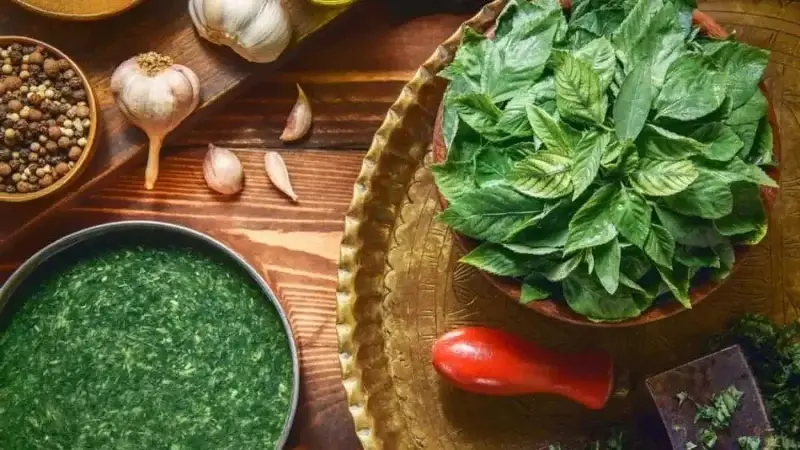
The arrival of the scorching Indian summer brings with it a specific culinary vocabulary in Bengal. While the rest of the world might reach for iced lattes, a traditional Bengali household looks toward the vegetable basket for relief. Standing tall among the seasonal heroes is the Paat Shaak, or the leaves of the jute plant. While the world recognises jute as the golden fibre used for gunny bags and rustic home decor, the tender leaves of this plant are a nutritional powerhouse and a gastronomic delight that defines the summer months.
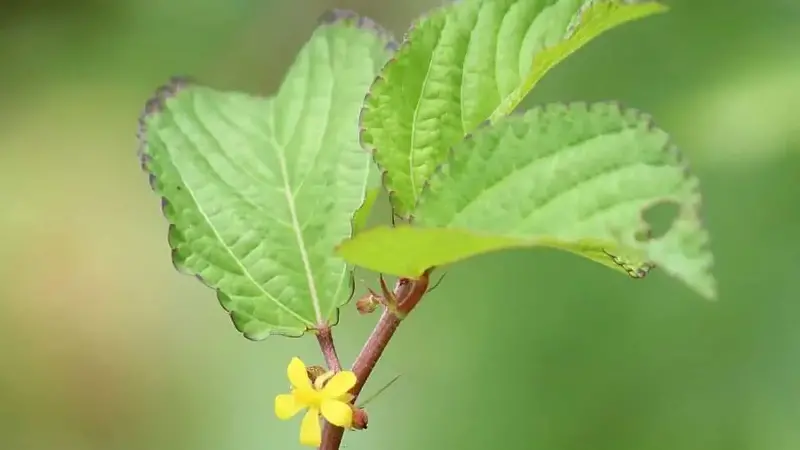
Image credit: Wikipedia
What Is Paat Shaak?
Paat Shaak refers to the edible leaves of the jute plant, primarily Corchorus olitorius and Corchorus capsularis. In the early stages of the plant growth, before the stalks become fibrous and woody for industrial use, the leaves are vibrant green, tender, and slightly serrated. There are generally two varieties found in the local markets: the bitter one known as Teeta Paat and the non-bitter or sweet variety called Mitha Paat. The texture of the leaf is its most defining characteristic. When cooked, it releases a mucilaginous substance, similar to okra or Malabar spinach. While this slipperiness can be an acquired taste for some, it is precisely what makes the leaf so beneficial for the digestive system during the parched months of May and June.
The Cultural And Seasonal Significance
In the traditional Bengali meal structure, the sequence of dishes is designed to aid digestion. A meal almost always begins with something bitter, known as teto. This is believed to stimulate the secretion of bile and prepare the stomach for the heavier courses of lentils, vegetables, and fish that follow. During summer, Paat Shaak replaces the winter bitter gourd or neem leaves as the preferred starter. The significance is as much physiological as it is cultural. Ayurveda suggests that bitter foods have a cooling effect on the body, helping to balance the pitta dosha which tends to flare up in the heat. Eating Paat Shaak is a ritual of resilience against the sun. It is a humble, inexpensive green that ensures even the poorest households have access to high-quality nutrition and heat protection.
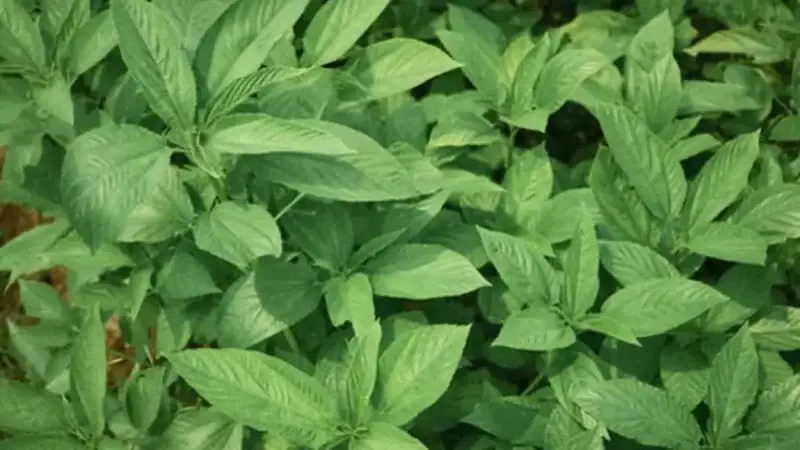
Image credit: Adobe Stock
Nutritional Profile And Health Benefits
Beyond its cooling properties, Paat Shaak is a dense source of nutrients. It is exceptionally high in Vitamin K, which is essential for bone health and blood clotting. It also contains significant amounts of Vitamin A and C, which act as antioxidants to repair skin damage caused by harsh UV rays. For those struggling with the sluggish digestion that often accompanies high humidity, the high fibre content and the mucilaginous nature of the leaves act as a natural laxative. It is also rich in iron and calcium, making it a vital addition to a vegetarian or vegan diet in India.
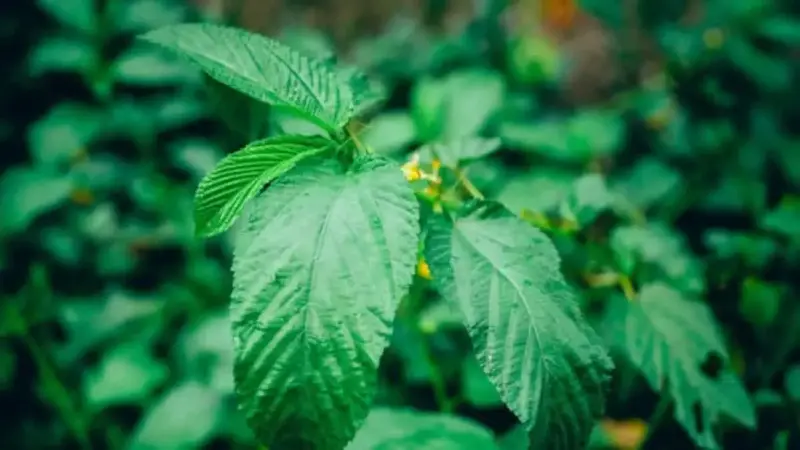
Image credit: Wikipedia
Culinary Applications And Traditional Recipes
Cooking Paat Shaak requires a delicate touch. The goal is to retain the vibrant green colour while managing the slimy texture according to personal preference.
The most common preparation is Paat Shaak Bhaja. This involves finely shredding the leaves and stir-frying them with a tempering of garlic and dried red chillies in mustard oil. The key to a good bhaja is high heat and a short cooking time. This ensures the leaves become slightly crispy around the edges while remaining tender. Often, a handful of roasted peanuts or poppy seeds is added at the end for an extra crunch that contrasts beautifully with the softness of the greens.
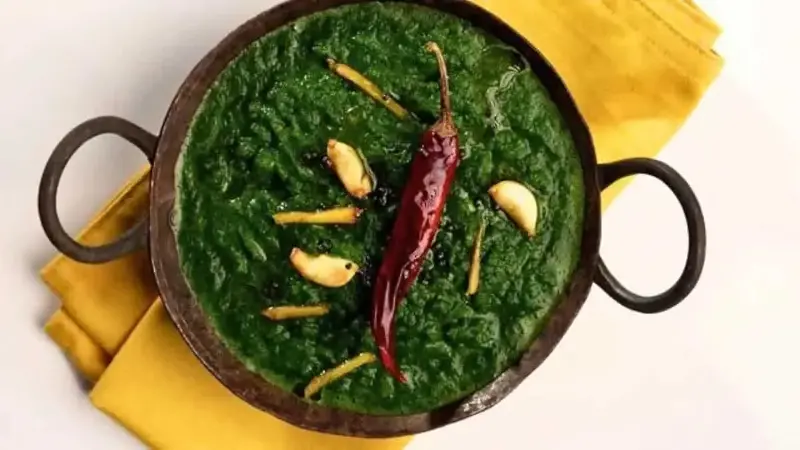
Image credit: Adobe Stock
Another beloved preparation is Paat Shaaker Jhol. This is a light, soupy curry that often incorporates small chunks of yellow pumpkin or sweet potato. The sweetness of the vegetables balances the slight bitterness of the jute leaves. A tempering of nigella seeds (kalo jeera) and green chillies provides a subtle heat that does not overwhelm the palate. Some households also add Badi, which are sun-dried lentil dumplings, to provide texture and protein to the dish.
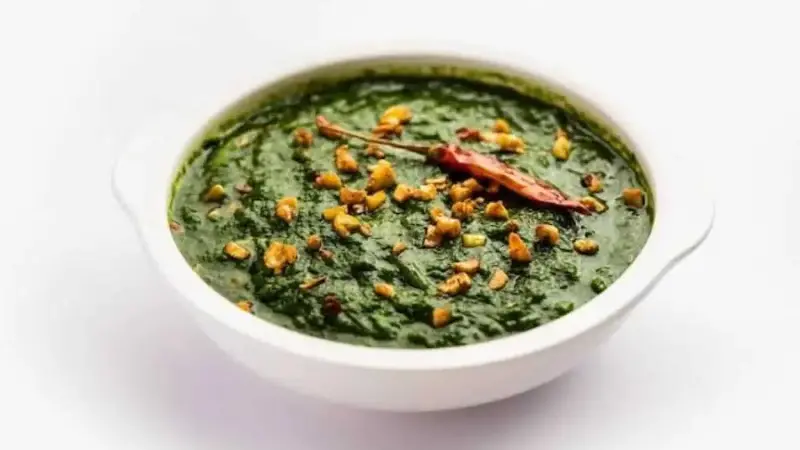
Image credit: Freepik
For those who enjoy fried snacks, Paat Shaaker Bora is a revelation. Whole leaves are dipped in a seasoned batter of gram flour or rice flour and deep-fried until they are golden and shattering. These are best enjoyed with a steaming mound of rice and a dollop of ghee.
Best Practices For Buying And Preparation
To get the best out of your Paat Shaak, you must start with the freshest possible produce. Look for leaves that are bright green without any yellowing or wilting. The stems should be thin and snap easily; if they are thick and woody, the leaves will likely be tough and less flavourful. When you bring them home, wash them multiple times in cold water. Like most greens grown in alluvial soil, they can carry a fair amount of grit. It is best to wash them whole and then chop them, as chopping before washing can lead to an excessive loss of nutrients and make the leaves even more slippery. If you are someone who is wary of the mucilaginous texture, there is a simple trick: do not cover the pan while cooking the leaves. Allowing the steam to escape helps reduce the sliminess. Additionally, adding a souring agent like a squeeze of lime or a few slices of green mango can help cut through the texture and brighten the flavour profile.
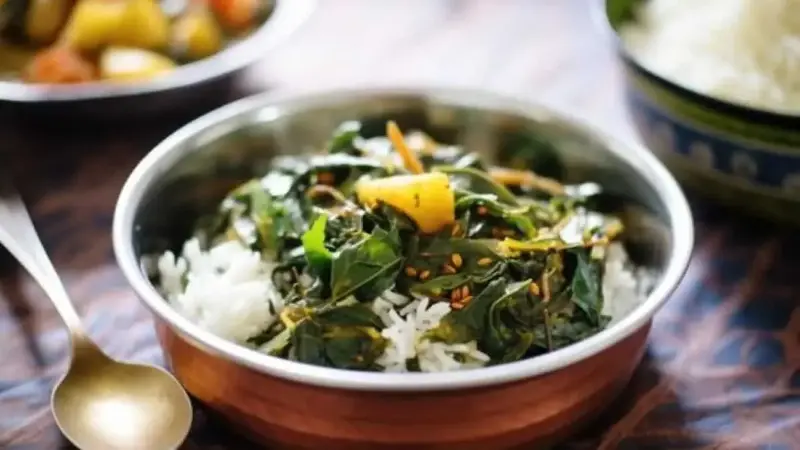
Image credit: Adobe Stock
The Modern Relevance
In an age of imported superfoods, the Paat Shaak remains a testament to the wisdom of local, seasonal eating. It is sustainable, requires minimal water compared to many commercial crops, and provides precisely what the body needs to survive an Indian summer. As the sun beats down this year, skip the heavy salads and find a bunch of Paat Shaak at your local bazaar. Paired with some plain rice, a wedge of lime, and perhaps a crispy fried fish or a simple dal, it is the most authentic way to taste the spirit of a Bengali summer.