



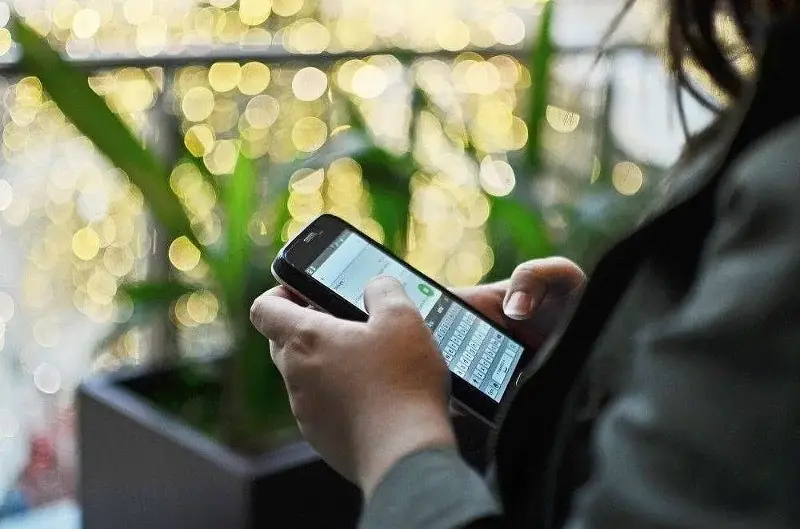
VIOLATING confidentiality and exposing sensitive personal information publicly without consent constitutes a serious breach of data privacy and a violation of the Data Privacy Act (DPA) of 2012, a lawyer said.
In a phone interview with SunStar Cebu on Thursday, Dec. 5, 2024, lawyer Ian Vincent Manticajon, a Communications professor at the University of the Philippines - Cebu, said the prevalence of “screen capping” private conversations between two individuals without the consent of both parties may constitute a violation of Republic Act 10173 or the DPA of 2012.
Manticajon said that if these screenshots are shared with a third party without the original participant’s consent, it is deemed illicit.
“It’s a violation of the DPA if the screenshot shared contained personal data like ngalan sa involved in the conversation or contact details or any content na any identifiable sa persons involved,” said Manticajon.
(It’s a violation of the DPA if the screenshot shared contains personal data, such as the names of those involved in the conversation, contact details, or any content that can identify the individuals.)
“Gawas imong gi-blur ang nawng or ngan, pero if naa ang nawng naa ang ngan nahibaw-an sa public kung kinsa to’ng nag talk, that’s a violation,” he added.
(Except if you blurred the face or name, if the face and name are still visible and the public can recognize who the individuals are, that’s considered a violation.)
However, Manticajon emphasized that certain exemptions are permissible such as in instances if the data is used solely for personal or household purposes and not intended for public dissemination.
In an Advisory Opinion 2020-043 of the National Privacy Commission (NPC), disclosing a private conversation that contains personal data without the consent of the parties involved, or without a valid legal basis for processing such data under the DPA, could be considered unauthorized processing.
A portion of the document emphasized that the processing of sending screenshots to another person will only fall under the scope of the DPA if it involves personal data.
On Wednesday, Dec. 4, private messages between celebrities Maris Racal and Anthony Jennings, containing personal conversations, were leaked publicly by Jennings’ ex-girlfriend, private individual Jamela Villanueva, without the consent of either Jennings or Racal.
The recent development is just one of the few instances where private conversations have been leaked without consent in the digital space.
Manticajon said that in such cases, a complaint can be filed with the NPC for violations of privacy rights.
The DPA also includes a provision for criminal liability, which may result in imprisonment for one to three years or fines, depending on the severity of the offense, he added.
“For the public to be educated, sharing screenshots of private conversations is prohibited. There is an expectation of privacy, especially in situations like group chats, where it is not allowed to take screenshots and share them with others,” said Manticajon.
“Just to state it in general terms, people should be careful when taking screencaps and avoid oversharing because there are legal consequences,” he added. / DPC