




Hair gets everywhere, on the floor, down the drain, in nooks and crannies. My husband and I both have thick hair, and mine is particularly prone to leaving a trail everywhere I go. I even find clumps in the washing machine. For other people, pet hair is also a problem, especially when it clings to sofas and cushions.
On average, adults lose 50 to 100 hairs per day. They lose more on hair wash days as loose hairs are released. “This is a normal part of the natural hair growth cycle, as older hairs shed to allow new hairs to grow,” says Hannah Gaboardi, consultant trichologist and Viviscal brand ambassador.

Much like animals, hair loss tends to be seasonal. “Seasonal hair shedding is very common and many people notice increased hair loss during certain times of the year, particularly in late summer and autumn. Hair naturally grows in cycles, and factors such as stress on the body and changes in hormones or lifestyle throughout the year can influence these cycles,” says Gaboardi.
With so much hair shedding, it can mean hair lands in pretty much every spot of the home. So how can we get rid of it?
Drains
Growing up, my mum was adamant that after every hair wash, we had to pick our hairs out of the drain. I haven’t continued this into adulthood, and I’ve paid the price with blocked drains and U-bends. A drain hair-removal tool, which costs around £2 on Amazon, has worked for me in the past, although it is fiddly and I have broken them from excessive hair pulling, on more than one occasion.
“Prevention is much easier than fixing a clog later,” says Anna Louisa, home and cleaning content creator and author of The 5 minute Clean Routine. “A simple drain catcher or hair trap is the best first step because it physically stops hair before it disappears down the pipe. Regularly remove the collected hair to stop water flow from slowing down.”

She adds: “Once a month, flushing the drain with hot water followed by around half a cup of bicarbonate of soda and a cup of vinegar can help break down build-up.” Try brushing hair before showering if you shed a lot; this removes loose strands before they go near the drain. Lynsey Crombie, a home expert and TV presenter, says that blockages further down the pipe might require something stronger. “I recommend Buster Sink & Drain Hair Unblocker, which is specifically designed to dissolve hair safely.”
Carpets
Human and pet hair can get tangled deep into the fibres of carpet, especially shag and looped rugs which are also harder to remove hair from.
“A vacuum with a motorised brush head or turbo attachment is usually the most effective, especially for pet hair,” suggests Louisa. “Slower passes with the vacuum work better than quickly going back and forth because the vacuum has more time to lift embedded hair. On thicker carpets, move in different directions to help loosen trapped strands.”
“You may need to manually loosen compacted hair first with a rubber broom or carpet rake,” Louisa says.
Anti-hair-wrap vacuums supposedly reduce tangling around the brush roll by using specially designed bristles and comb systems that guide hair into the bin rather than wrapping it tightly. But, Crombie says, they aren’t totally foolproof. “They don’t necessarily pick up hair any better than a standard vacuum, but they save a huge amount of time when it comes to maintenance. Instead of spending ages cutting tangled hair from the brush roll, the vacuum does much of that work for you.”
Hard flooring
The majority of my home has a hard-wood floor. And every day, I notice long dark, wispy hairs floating over it. My fiancé’s main household chore is the weekend floor mop. But he has a tendency to mop before collecting the hairs.
“If you’re mopping, remove as much hair as possible first while the floor is dry. Once hair gets wet it clumps, sticks to the surface and becomes much harder to pick up cleanly. On dry floors, a microfibre mop, electrostatic dust mop or vacuum designed for hard flooring is usually the quickest option,” suggests Louisa.
And, avoid sweeping. The static it creates can send hair flying around the room.
Sofas
Pet hair clings to soft furnishings like Velcro. Getting rid of it can feel like a never-ending task. “For furnishings, a slightly damp rubber glove works brilliantly because the hair clings to it as you rub over fabric. These work over curtains too,” says Louisa.

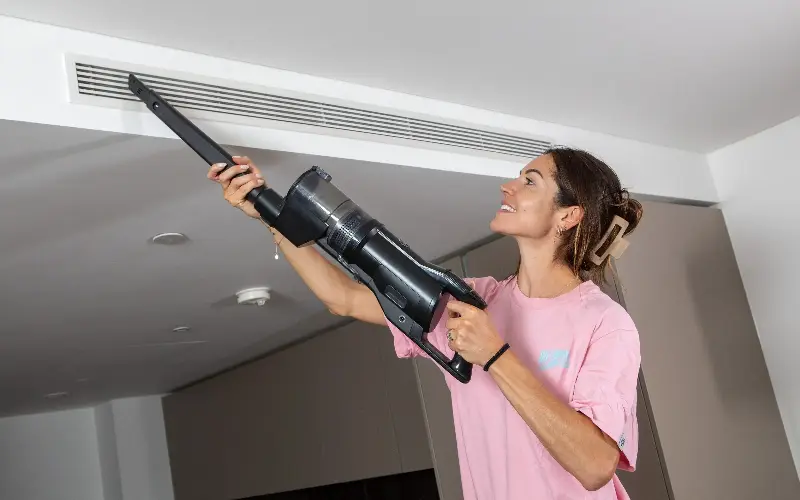
“Squeegees (the type you use to wipe down water from your shower screen) are surprisingly effective on sofas and carpets too. For hard-to-reach places like car boots, skirting boards or fabric headboards, I use a handheld vacuum with a motorised brush attachment.”
If you have a lint roller to hand, Crombie says these are great for larger jobs, especially on fabric sofas and pet beds.
“I also recommend Vamoosh Pet Hair Dissolver for washable fabrics and pet bedding, as it helps break down trapped hair during a wash cycle.”
Clothing
Lint rollers can be helpful but they can damage some fabrics and the sticky mess they leave behind often attracts more fluff. Louisa recommends reusable rubber brushes. “These also create less waste. Slightly dampened rubber gloves are still one of the simplest and most effective tricks for lifting hair from clothing.”
If you’re dealing with a particularly bad case of hair-stuck-to-clothes, pop them in the tumble dryer.
“Just ten minutes before washing can help loosen hair so the lint filter catches it instead of it staying trapped in the fabric,” says Louisa.
Within appliances
When hair builds up inside your washing machine, it can clog filters and block drainage systems, just like hair in the drain of your sink. Hair can also make machines smell.
“Regularly cleaning the door seal, filter and detergent drawer is important, as hair often collects in these areas,” says Crombie.
Washing machine anti-hair catcher balls can also help, although Louisa adds that “results vary depending on the fabric and amount of hair involved”.
Prevention is always easier than removal so give hair-covered items a quick shake outdoors before washing.
In your hairbrush
If there’s one place you’re guaranteed to find hair, it’s your brush. I’ve always pulled out my hair as I go, but I have some friends who let the hair build up until it’s a thick wedge. But, pulling hair out of your brush isn’t enough. The brush itself also collects oil, dead skin cells, styling products and dust over time.
When you’re brushing your hair, all that grime is being brushed back through your hair. “Give it a quick clean every couple of weeks,” says Louisa.
“Remove trapped hair first using your fingers, scissors or the pointed end of a comb, then soak the brush in warm water with a little shampoo or washing-up liquid. Give the bristles a scrub with an old toothbrush, rinse well and leave it to dry bristle-side down.”
Avoid soaking wooden brushes for as long though, as the handle can crack.