



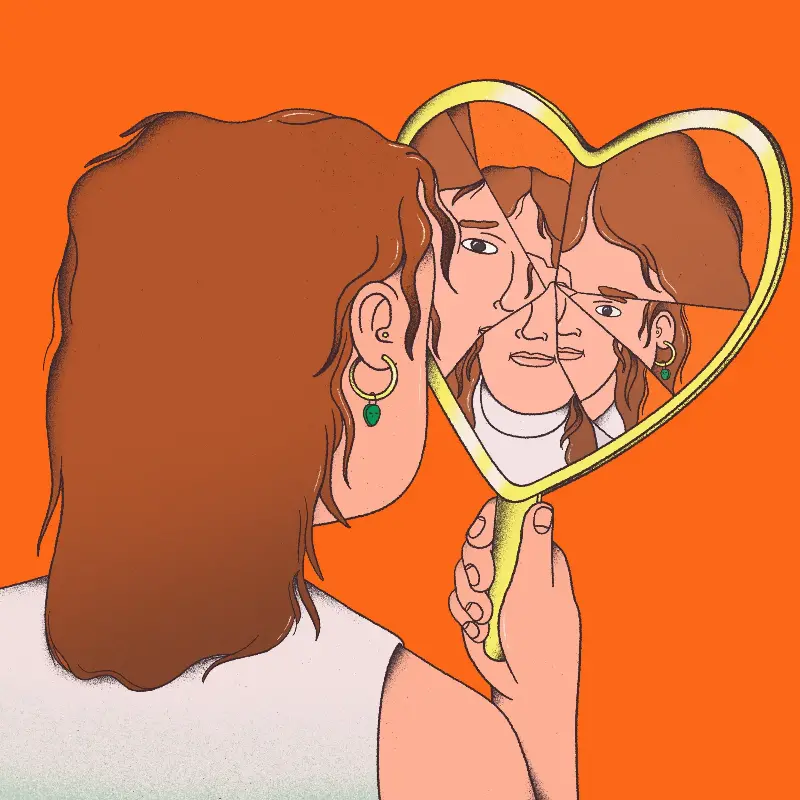
Abuse in relationships can be surprisingly hard to spot. When it’s physical, the visible scars are obvious, but emotional and coercive control can seep deep beneath the surface, subtly manipulating and dominating the victim, disguising itself as so-called love and attention.
In a toxic relationship, the truth is often more about acute criticism, jealousy, power and constraint. Many survivors say they didn’t realise what was going on until they left and could put their lives into perspective. But not all women leave, and the consequences can be horrific.
Dr Sara Kuburic, known as The Millennial Therapist by her global community of 1.7 million social media followers, has met many survivors. Now a renowned psychotherapist and author specialising in relationships, trauma, and identity, she was born in Bosnia and lived through two wars in the Balkans before immigrating to Canada with her family at the age of 9.
Those early experiences sparked a lasting curiosity about human nature – particularly its darker, more complex dimensions. She became driven to understand what motivates people, what wounds them, and what ultimately helps them heal.
One in three women globally will experience violence by a partner in their lifetime but are often dismissed as dramatic or told to get over it because “boys will be boys”, says Dr Kuburic.
“I hear statements like ‘Did you do something to make him act that way?’” she reveals. “A friend once told me that after she was cheated on, another friend encouraged her to put on a ‘hot dress’ to win him back. These societal norms and conversations don’t help women who feel lost, confused and helpless.
“Love is clear, abuse is not,” she says. And it can happen to anyone. You can be a student, a mother, a CEO or a senior citizen – there are no exceptions.
Here are the red flags to watch out for in a toxic relationship:
1. You have clouded judgment
“Abuse scrambles our inner compass until we no longer know what is normal, who we are or what to do,” says Dr Kuburic.
It blurs the parameters of what is acceptable and normal. “As a therapist, I often see how much confusion abusive behaviour can cause. Women are also confused because there are children involved, or they are caught in a financial commitment.”
As a young woman, Dr Kuburic once overheard two women dissecting a friend’s toxic relationship, involving a man who controlled who his partner could see, reading her texts, and humiliating her in public.
“The real story is likely to be that she loves him, she’s built a life around him, and her identity is entwined with his,” Dr Kuburic says. “She may not yet see the warning signs of abuse, or if she does, she knows that leaving could be dangerous.”
Recognising that your judgement might be clouded (for valid reasons) is a step towards clarity. “I advise my clients to journal and write everything down. It may sound simple, but it offers a chance to notice patterns and what is going on internally.
“A friend of mine was in a decade-long destructive relationship. When she looked back at her diaries, she realised she’d been writing down the same frustrations for years. It helped her face her reality and realise nothing was ever going to change. Consequently, she left.”
2. You downplay bad behaviour
Downplaying abusive behaviour often happens, but Dr Kuburic would much rather a client be angry about her circumstances than diminish what is really going on. Minimising the situation tends to occur when the truth is too painful, but when we shrink our stories, we end up shrinking ourselves.
“Women say, ‘No one is perfect’ or ‘He only does it when he’s drunk’, but ask yourself if you are downplaying reality and editing events. It’s OK if you’re not ready to tell others, but it’s important to notice when you minimise the truth,” she says.
And because abusers are so adept at contorting reality, it’s important to remember that the story he tells you is his only version of events – his perspective, his voice in your head. Maybe it’s time to pay attention to yourself again and really listen to what is going on for you.
3. Losing your sense of identity
Typical admissions are: “I’ve forgotten who I am,” or “I can’t trust my feelings”.
Not only is there a diminished sense of identity, with survivors believing they are broken and invisible, but they can further disconnect by hiding away from friends and family because they fear being exposed.
“This is extremely dangerous because it alienates a person, giving the abuser more power to silence or manipulate them. But saying things out loud and naming the A-word is powerful. Whether that is to a therapist, a friend, or even a helpline, it brings to light what is going on; it’s how we grab our own attention,” says Dr Kuburic.
“It can be terrifying to admit that you are in an abusive relationship, but I’ve seen how acknowledging the fact can be the first step towards liberation”
Even the smallest actions can help rebuild independence. It might be confiding in a friend or family member, visiting a support group or even re-connecting with a hobby or exercise. Remembering who you are outside of a toxic relationship is a powerful tool towards gaining a sense of self.
4. You feel guilt, anxiety and fear
“Whenever I speak at workshops or events, I ask: ‘How does your relationship make you feel?’ This offers insight into whether it’s a healthy dynamic or not,” says Dr Kuburic.
If survivors were to write down the dominant feeling they experienced in their relationship, many would list fear, anxiety, guilt, dread, shame, humiliation, or hopelessness. “It’s important to remember that healthy relationships don’t leave us feeling this way.”
Understanding what certain terms mean, like “gaslighting” (psychological manipulation by denying events happened or twisting facts) or “coercive behaviour” (control of a person’s life, finances or even their way of thinking), can give a woman the authority to comprehend her situation better and move towards making her own decisions.
Some abusive actions can be so subtle and disguised as affection that a woman can question whether they are actually real. But if you are feeling them, then the chances are they do exist and they are harmful.
5. Distress shows as migraines or bodily pain
“Listening to your body is important; it is telling you there is something intrinsically wrong.
“I had one client who suffered migraines whenever she was around her partner. The stress of living on a knife-edge was manifesting itself in her body and compromising her ability to cope.”
But while the wounds of abuse can run deep, recognising that your anxiety, fear, and perpetual gut-wrenching panic are not a weakness but an emotional strength can be a crucial alert to something deeper going on, even giving you a clear sign that it’s time to walk away.
Making a practical plan to leave, or understanding how to support yourself in an emergency, can be empowering. For example, know where your important documents are, keep a copy of phone numbers, have some money put by and consider a safe place to stay. Many women feel they are trapped in their circumstances, but being prepared gives you a level of control.
“Just like our emotions, our body is a messenger of distress,” shares Dr Kuburic. “Survivors told me they often had chronic headaches, digestive issues, insomnia, fatigue and heart palpitations. Common descriptions are, ‘It’s like living through hell’ and ‘I’m walking on eggshells.’
“How can a person exist in an environment of such high tension and not suffer repercussions? By being aware of these red flags and understanding them, women – and their loved ones – can begin to take the first steps towards safety and healing.”
The aim of YSL Beauty’s Abuse Is Not Love programme is to provide education, awareness, and support for women worldwide by partnering with more than 25 NGOs globally. If you or anyone you know needs help, visit the website.
It’s On Me: Accept Hard Truths, Discover Your Self, and Change Your Life by Dr Sara Kuburic is out now.