



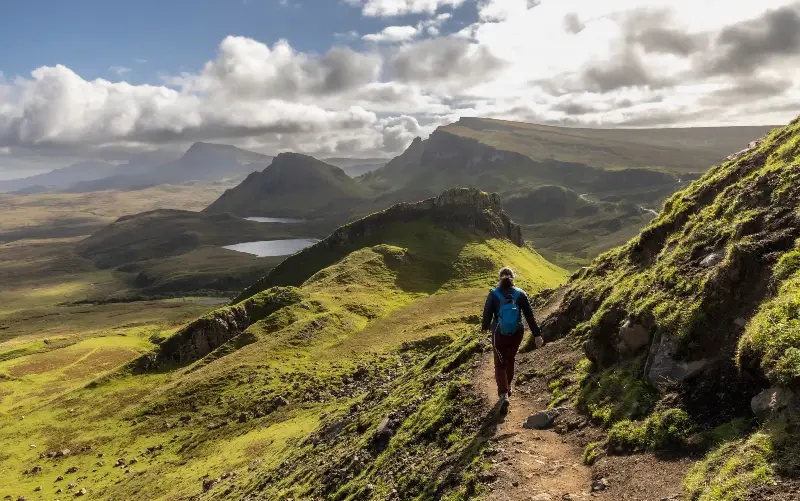
By far the most dramatic of all the Scottish isles, its cloud-piercing pinnacles, craggy Cuillin peaks and lonesome lochs look like they belong to a fantasy land, not right here in Britain. Skye is the island everyone wants to visit.
Indeed, its landscapes are so otherworldly that this magic realism is woven into the culture of the island, where a rich tapestry of folklore that tells of giants frozen in stone and forbidden fairy love affairs only adds to the sense of wonder.
Its popularity can lead to throngs of visitors at its most famous sites, sometimes marring the experience of the island’s fantastical nature, however, my many visits over the years have felt far from crowded.
In fact, I’ve found Skye to be an island where I can escape the everyday and enjoy a wild playground that both draws on its natural assets – from local produce that arrives on inspiring plates to incredible wildlife and outdoor pursuits – and celebrates its Gaelic culture. You just need to take the time to seek out its quieter corners.
Where to go
Portree
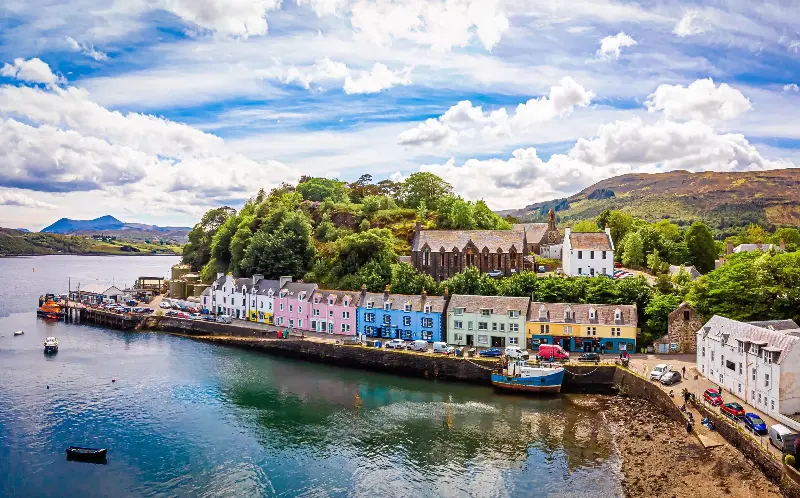
Skye’s main town of Portree, where colourful houses frame its historic harbour, and independent gift shops and local galleries fan out in the surrounding streets, is a good place to pick up provisions.
It does get busy – especially in summer – but it offers a good chance to catch your breath after a nailbiting drive. Plus there are some very good restaurants, most notably Birch, a veggie-leaning coffee-shop-cum-brunch spot, and the unexpected tasting menus of Scorrybreac, run by brothers Niall and Calum Munro respectively.
Trotternish Peninsula
You’ll never forget your first drive on Skye, with each twist and turn revealing a new, spectacular view, and nowhere is more impressive for an afternoon’s drive than this peninsula that juts out into the Atlantic north of Portree.
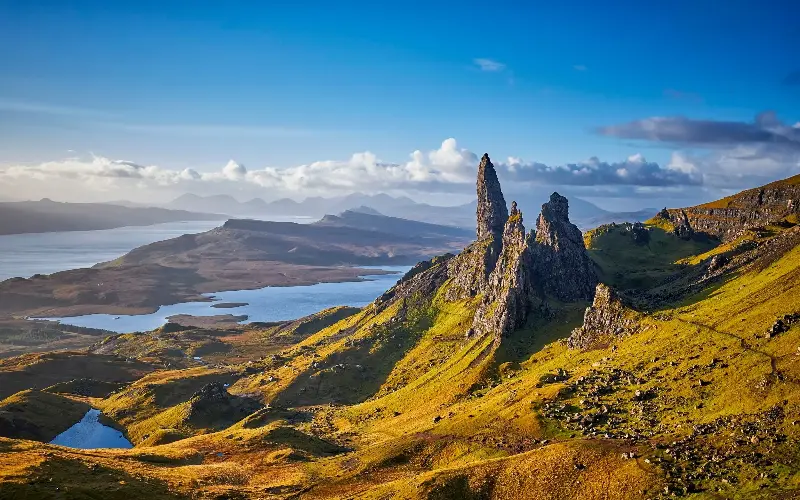
The route has everything: ruined castles, the ethereal Fairy Glen, dinosaur footprints at Staffin (as well as a quirky museum), the weird land folds of the Quiraing, and one of the most iconic sights of all – the Old Man of Storr. The fascinating landscape is a finger of basalt rock that stabs at the sky, which some say is the thumb of a giant buried beneath the ridge.
Skye Skyns
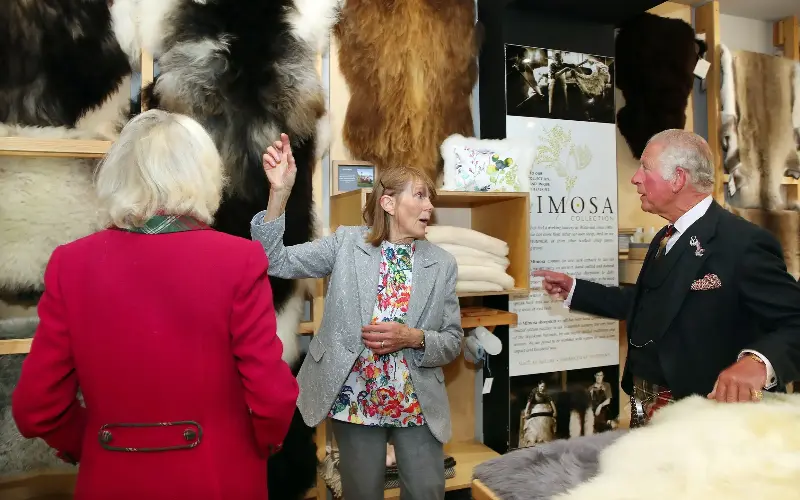
For an introduction to rural Scottish life, stop into the only sheep tannery in all of Scotland, tucked away on the pretty Waternish peninsula.
Join one of the free guided tours to find out how a side project to make good use of discarded sheepskins on the island spawned a family business that still thrives 40 years later. Or browse some of the sheepskin rugs and super-soft slippers for a souvenir to cherish long after you’ve returned home.
Afterwards, pop into the Stein Inn for a pint by the water’s edge or book a table at Loch Bay next door, for a Michelin-starred seafood feast.
Talisker and the Three Chimneys
Talisker has been distilling its single malt whisky on the shores of Loch Harport for almost 200 years and a visit here is almost a prerequisite of a full Skye itinerary, but its tours are popular so make sure you book well in advance.
After your tour, dine on freshly caught langoustine or oysters at the Three Chimneys’ Carbost outpost next door, or for a more budget-friendly meal, head down the road to the excellent Cafe Cuil, which serves brunch-style dishes infused with Skye’s local bounty.
Take in the Cuillin
The Cuillin mountain range marches through the island like an army of sentinels with an impressive 12 Munros – hills over 3,000ft – in their number.
Locals tend to refer to them as two separate entities: the Black Cuillin, known to be more jagged and require a fair amount of experience to ascend; and the more rounded and slightly more accessible Red Cuillin.
If you don’t fancy a strenuous hike, then take the road from Broadford down towards the little settlement of Torrin where you can soak up the sublime backdrops of both in utter peace – aside from the many local sheep you’ll encounter.
Hop over to Raasay
A 25-minute ferry ride from Sconser on the east of the isle will bring you to Raasay, a once largely deserted island that has been experiencing something of a slow revival since the opening of its distillery and luxury accommodation in 2017.
Treat yourself to a whisky cocktail and sit on the terrace outside the distillery for some of the best views of Skye’s mighty Cuillin or hire a bike from Raasay House Hotel to explore the island more fully.
Loch Coruisk
Everyone seems to have heard of the Fairy Pools, a series of cascading waterfalls that in the right light appear illuminated as if the fairies themselves are casting a spell.
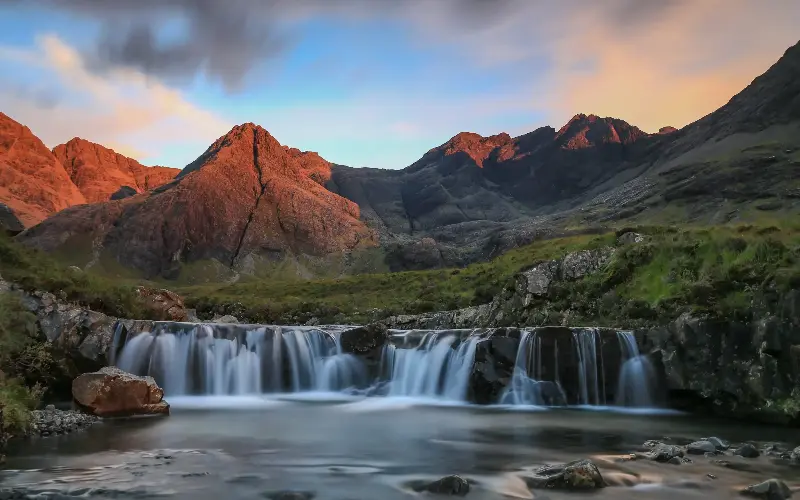
However, while infrastructure around the pools has improved in recent years, I’d still stop short of recommending you visit. Instead, I suggest you continue on the road past Torrin all the way to Elgol where you can take a ride with Misty Isle Boat Trips to another, less-known natural wonder, Loch Coruisk, believed to be haunted by its very-own shapeshifting kelpie.
Dunvegan Castle
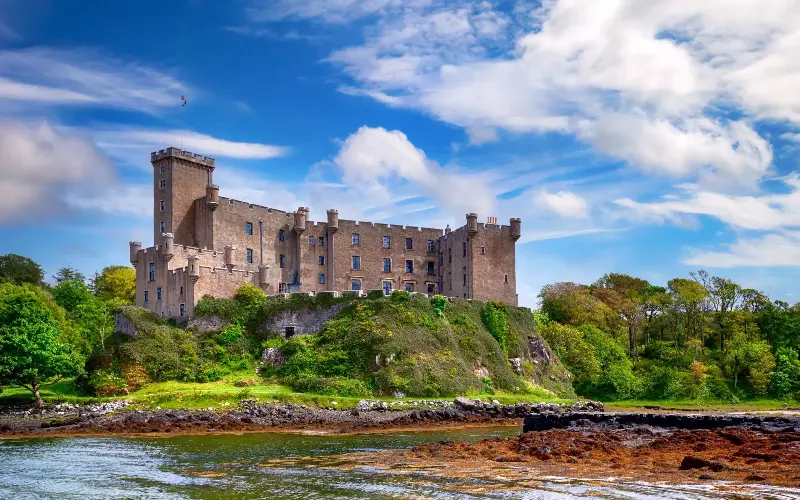
Dating from the early 13th century and remodelled in the Victorian era, Dunvegan Castle is the ancestral seat for Clan MacLeod, and is the oldest continuously inhabited castle in Scotland. By far the most popular exhibit inside is the ancient “Fairy Flag”, which legend says is an enchanted shawl given to a clan chief by his fairy lover to protect him and his clan in battle.
How to do it
How to get there and how to get around
Ever since the Skye Bridge opened in 1995, Skye has been one of the most accessible of all the Scottish isles. You can reach Portree by car or bus from Inverness in just 2.5 or 3 hours respectively, enjoying some epic scenery en route.
The bridge is far from the only way to get here, though. Many visitors opt to arrive by ferry from Mallaig to Armadale – a natural extension for visitors taking the Jacobite steam train from Fort William in spring and summer. For those looking to get off the beaten track and a flavour of Skye travel from yesteryear, the Glenelg ferry – the last manually operated turntable ferry in the world, which runs from April to October – has been transporting people to the island via the narrowest of channels for centuries.
Once on the island, a car is the best way to get around. Bus services are sporadic but there are local taxi firms such as BW’s Taxis in Portree that offer private tours to help you see more of the island.
When to go
For hiking and outdoor pursuits, the best time to visit Skye is from late March to October – though try to avoid July and August when it is filled with tourists – when the days are long enough to allow for some adventure.
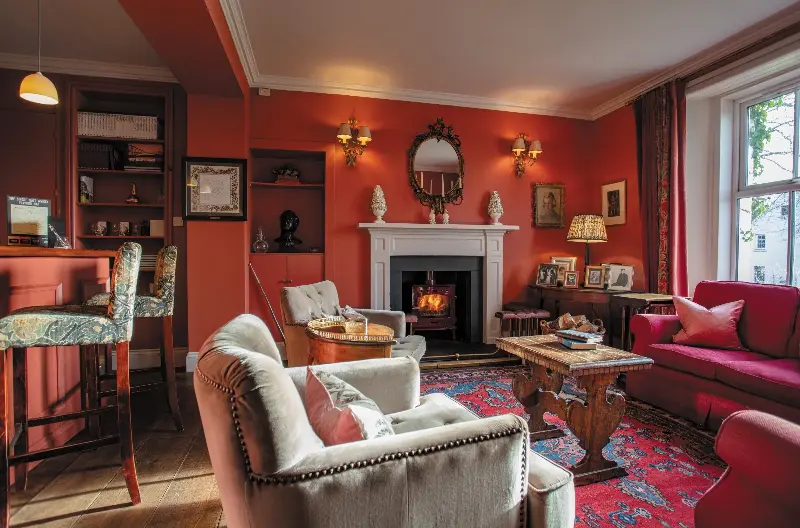
If you’re hoping for some cosy nights by the fireside and looking to enjoy the island’s dark skies, you can get some great deals between October and March, as long as you’re prepared to weather the colder temperatures.
What to book
Duisdale House Hotel offers a two-night Northern Lights package from October 26, 2026, to March 21, 2027, for £219.50 per person, including accommodation in a Standard Double, dinner on the first night, full breakfast each morning, afternoon tea, a 1pm checkout, and a 30-minute stargazing hot tub session.
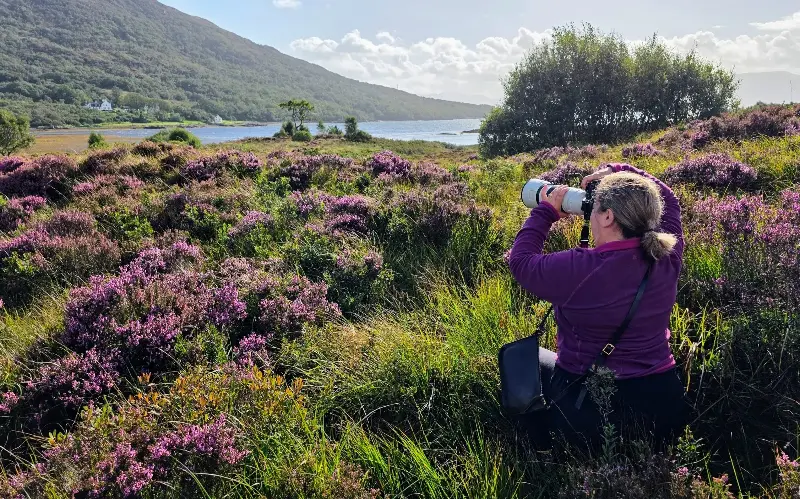
Kinloch Lodge runs luxury photography retreats that take you to remote parts of the island few visitors see, with two-night trips starting at £1,970 for two, including accommodation in a Cosy Double, private full-day photography lesson, travel in a Land Rover Discovery, evening editing session, dinner on both nights, breakfasts and packed lunches.
Skye Adventure offers guided experiences for the whole family to help you appreciate the natural wonders of the island, from wild swimming to waterfall hikes and gorge sliding with prices starting at £250 for half a day for two adults and two children.
How to see Skye on a budget?
Skye isn’t renowned for being cheap and in the main season you are generally looking at upwards of £500 for a double room in a decent hotel or design-led self-catering bolthole each night. However, if you travel in the shoulder months of March and October, deals can be found. Or there are campsites for those looking to cut costs on accommodation.
By far the cheapest way to get here is by bus from Inverness. A trial fare cap across the Islands and Highlands, valid until at least early 2027, means you can get the bus from Inverness to Portree for just £2 each way. Yes, you read that right: £2.
The other good news is that aside from the distilleries, and guided activities, most of the attractions are free, so once here, this natural playground is yours to enjoy.