



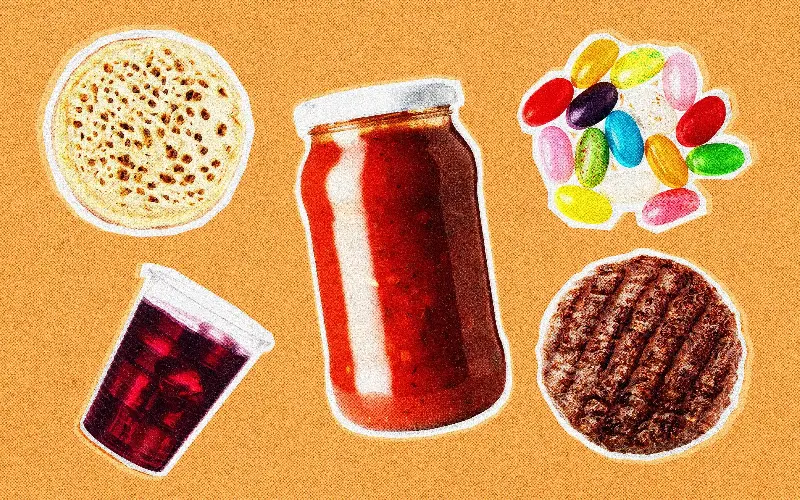
Before the advent of refrigeration, humans had to make do with ancient methods of stopping food from spoiling – from curing and smoking meat and fish, to pickling or fermenting vegetables.
This all changed with the development of an array of industrial preservatives in the 20th century, which are capable of keeping food “shelf-stable” for months or even years at a time. They typically fall into the categories of either antimicrobials – which means they work by preventing the growth of bacteria, moulds and yeast, or by killing microbial cells – or antioxidants, which stop fats and oils from reacting with oxygen and going rancid.
A quick glance at the typical ultra-processed food in the supermarket usually reveals a lengthy list of such preservatives, often disguised under the monikers of various “E numbers”.
Yet, a growing amount of evidence is starting to reveal that as well as killing bugs, at least some of these preservatives might be harming us.
Early in January 2026, two startling new papers from a major French nutrition study called NutriNet-Santé, using dietary information collected from more than 100,000 people, mainly in their 40s and 50s, have linked higher intakes of certain preservatives to both cancer and diabetes.
“This is another piece of evidence of the problems coming from the exposure to these multiple food additives in our daily diets,” says Mathilde Touvier, a professor at the French National Institute for Health and Medical Research, who led the study.
The research found that over a 7.5 year period, people who consumed more potassium sorbate – used in some yogurts, fruit juices and jams – had a 26 per cent increased risk of breast cancer, and those who ingested more sodium nitrite – found in processed meats such as hot dogs, salami bacon and ham – had a 32 per cent higher risk of prostate cancer.
Greater consumption of 12 preservatives – found in jams, bacon, sausages, doughnuts, salad dressings, muffins, salt and vinegar crisps and processed cheeses – was also linked to a higher risk of developing type 2 diabetes.
Why are preservatives causing cancer?
So what’s going on? There are various theories. Prof Touvier points to studies, carried out in animals or on human cells in the lab, which have suggested that several of these food preservatives might be capable of driving chronic inflammation – encouraging abnormal cell division which can lead to cancer. For diabetes, these might affect biological networks relating to production of the hormone insulin.
Orla Flannery, a senior lecturer in nutrition at Manchester Metropolitan University, suggests that some of these preservatives might act as another form of stress on our body’s cells, increasing the amount of damage they do to our DNA. She suggests that a high intake of preservatives could be adding to the regular damage, which the body already has to deal with, from things like air pollution, alcohol intake and other sources of stress.
“That DNA damage can then switch genes on and off,” she says. “And if it’s important genes being turned off, this can lead to problems.”
Others experts believe that the reason these preservatives are causing problems in large amounts could be related to how effective they are at killing bugs. Richard Hoffman, an ultra-processed food expert at the University of Hertfordshire, notes that most of the preservatives linked to cancer are in the antimicrobial camp. Hoffman suggests that they could be wreaking havoc in our gut.
“To me, it immediately rang a bell that these additives are harming the gut microbiome,” he says. “If you fiddle about with the gut microbiome, you fiddle about with your immune system, which then increases the risk of cancer.”
So with that in mind, what does this news mean for your shopping list? Here are seven foods that contain these problematic preservatives and the changes you can make.
Swap processed meats for fresh

Processed meats are perhaps the most notorious of all sources of these preservatives. Bacon, many forms of cooked ham, frankfurters and some sliced sandwich meats all contain nitrites or nitrates to preserve their colour and inhibit bacterial growth.
The issue, as confirmed by the research, is that there’s a well-established link between consuming more nitrite-preserved processed meats, and a heightened risk of cancer due to the formation of carcinogens known as nitrosamines.
“Scientific research suggests that the regular consumption of processed meats, which often contain added nitrites or nitrates, has been classified by the World Health Organisation as a Group 1 carcinogen,” says registered nutritionist Rhiannon Lambert, founder of Rhitrition and author of upcoming book The Fibre Formula.
“This doesn’t mean these foods need to be feared, or avoided entirely, but it does reinforce current UK public health advice to limit processed meat intake and prioritise a varied, predominantly whole-food diet.”
Replace with: Lambert suggests opting for fresh meat, fish, eggs, or plant-based proteins to reduce reliance on processed meats. Hoffman recommends going for nitrite-free hams such as Parma ham, which is simply preserved through salt or brine and air drying.
Avoid cordials

According to Flannery, some of the preservatives listed in the NutriNet-Santé studies are found in common cordials. For example, both Ribena and Robinsons Barley Water Lemon Squash contain potassium sorbate and sulfites.
Replace with: Flannery suggests simply adding slices of cucumber and lemon to a jug of water, as well as strawberries when in season. “That will flavour the water without needing any sweeteners or preservatives,” she says.
“Although you need to get rid of it at the end of the day, otherwise it will start to ferment and become infected with bacterial growth.”
Avoid dressings containing vinegar

Federica Amati, chief nutritionist at ZOE notes that one of the primary sources of the preservative acetic acid – which was linked to a higher risk of both certain cancers and diabetes – is actually vinegar.
“This is surprising, but we have to think about this as an indication of what happens when we add elements to food which weren’t in the [food] matrix that was originally intended to reach us,” she says.
Replace with: To reduce your intake of acetic acid, Amati suggests swapping out salad dressings and marinades that contain vinegar with ones made with lemon juice, lime juice, or citrus.
“It’s also commonly added to sauces and other condiments, so check the label,” she says. “Condiments that tend not to have acetic acid include guacamole, mint yogurt sauce, homemade mayo using lemon juice, soy sauce and some mustards.”
Swap pasta sauce for tinned tomatoes

Your typical pasta sauce often features combinations of preservatives like acetates or erythorbates, once again to maintain flavour, colour and shelf life.
Replace with: Flannery recommends checking the back of jars and choosing the one that has fewer preservatives in it. “A sauce which is on a shelf for six months will have way more preservatives, and potentially salt and sugar,” she says.
“Or open up a can of tomatoes which is probably even less than the price of the sauce, and add in your own dried herbs and a few seasonal vegetables. This is the way around it.”
Avoid sweets

The bad news for confectionery lovers is that preservatives like acetic acid, citric acid and sometimes sulfites are commonly found in brightly coloured gummies like wine gums, liquorice allsorts and fruit pastilles.
Replace with: Flannery says that the easier option is to simply go for fruit.
Swap crumpets for their sourdough alternative
Crumpets are the quintessential English snack of choice, but because they are designed to sit on the shelf for a significant period of time, many brands do contain potassium sorbate. “When we buy crumpets, we want them to be able to stay in our cupboard for a few weeks – a few days, once they’re opened,” says Flannery. “But if you look on the back of a crumpet packet, that means there’s often quite a few preservatives.”
Replace with: Waitrose Sourdough crumpets are the only crumpets that are free of artificial preservatives. Or try artisan brands such as Lovely Bit of Crumpet, which have reduced salt and no added preservatives.
Avoid supermarket breads and wraps

Various supermarket breads and wraps, including some white loafs, rolls and sandwich thins, can contain sorbates or acetates to slow mould growth.
Replace with: Lambert says: “Opt for freshly baked bread, sourdough, or products with shorter ingredient lists.”
What does this mean for our diets?

In the longer-term, this new data could lead to some changes in food safety regulations, particularly if studies continue to link these preservatives with a greater long-term risk of disease. Prof Touvier is hopeful that bodies such as the European Food Safety Authority and the US Food and Drug Administration will take this new data into account.
“The answer should be to remove from the market the most problematic food additives which we could do without,” she says. “Or to limit the maximum authorised doses.” This would help the consumer not to worry about what they are actually buying.
In the meantime, emerging app-based tools such as the app Yuka and Zoe’s Processed Food Risk Scale are offering easy ways for consumers to examine food labels as they shop, and assess what to buy, and what to avoid.
Amati points out that while this new data is worrying, it’s also important not to become excessively paranoid, as the increases in cancer risk in the study were still relatively low, and seen in people who had the highest consumption of these preservatives.
“People do panic and say, ‘Oh my god, I have additives in everything I eat’ but it doesn’t mean that you’re definitely going to get cancer now,” she says.
“The increased risk wasn’t in the person who consumed the additive once. It’s consistent exposure over time, and that’s where we need to try and be more mindful.”