



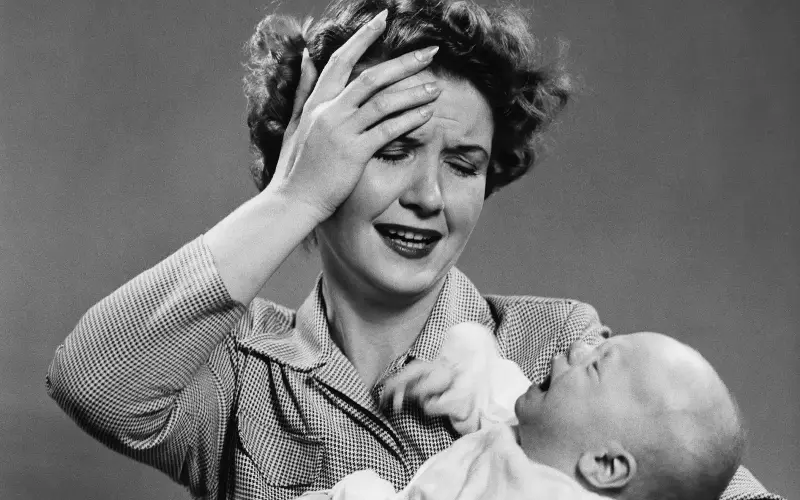
A new study claims to have found almost no difference in happiness levels between those of us with kids and those of us without, concluding that the arrival of little bundles of joy left “emotional wellbeing largely unchanged”.
Before those who boast about the luxury of being “child-free” say I told you so, it’s worth wondering who is to blame for such lacklustre results. Children are undeniably jolly, even at ungodly hours of the morning, and even when they’ve just puked all over the car seat. The problem is not kids, then, but a modern, even misanthropic attitude to children.
Babies are not service animals. They do not exist to provide their parents with a sense of emotional wellbeing. Anyone going into parenthood expecting an uptick in what the survey calls “hedonic wellbeing” is in for a rude awakening.
Our contemporary understanding of “wellbeing”, which seems to boil down to having time to do face masks or go on “mental-health walks”, is often intensely narcissistic. The happiness we’re selling today’s generation is superficial, focusing on a solipsistic obsession with internal feelings rather than an engagement with external factors.
It’s certainly easier to be childless. Children create a huge amount of hard physical work: laundry, cooking, 3am bed-wetting, back-to-back illnesses, pushing swings, carrying unridden bikes home. Indeed, no training can prepare you for the psychological challenge of getting to grips with a toddler’s Ricki Lake-level range of emotional drama.
No deep breathing will help you keep your cool when you walk in on your son posting bits of the new puzzle you just bought him between the floorboards. Your cup of coffee will routinely go cold, you’ll often find body parts of plastic toys sticking in your back when you finally fall into bed and all your furniture will, eventually, be chewed and rocked to ruin.
All these things might on paper seem damaging to one’s happiness and wellbeing, but the most surprising and happy thing about children is that it doesn’t. In fact, the great thing about having children is that you stop thinking about yourself so much. It’s liberating.
Having spent my young-adult years in the grip of intense vanity, I now often leave the house without even glancing in a mirror. I’m too busy nagging everyone to go to the toilet before we leave to check my hair. I’m sure sometimes I might look like I’ve been dragged through a hedge backwards, but I don’t care because my toddler is beside herself with excitement about the latest snail she’s found.
Perhaps these rather depressing results about parents’ happiness tell us something about our particularly miserablist attitude to parenting. The Government has just announced guidance advising parents to ban screens during mealtimes, lecturing those who let their kids eat dinner in front of the telly now and again.
There is nothing more certain to damage the happiness of a household than to deny parents the wonderful tool that is television. Instead of treating the raising of children as an exciting, personal and private journey that two people embark on, it now often resembles a test set by experts and the state that many people, unsurprisingly, feel like they’re constantly failing.
Despite falling birthrates and worries about childless generations, it’s hard to make a social argument for why someone should have children – it’s a personal decision that only you know you’re ready for. But those of us who have kids and those of us who don’t should all agree that children are necessary and wonderful, whatever they do to your wellbeing.
Hannah Arendt described children as the “miracle that saves the world”, that “the birth of new men and the new beginning” means anything is possible through the “action they are capable of by virtue of being born”. Every new child is a new possibility, a chance for change, a chance for progress. If that doesn’t make you happy, nothing will.