



Dear Alex,
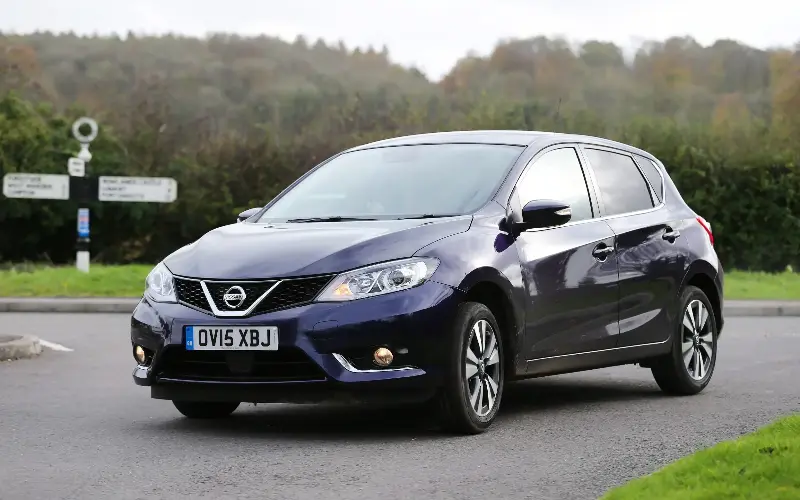
I have been quoted more than £4,000 to replace the head unit in my 2016 Nissan Pulsar at a main dealer. I am concerned that the cost is disproportionate and not viable. Is this the case? Is there an alternative, more cost-effective repair, ideally with a guarantee?
– RM
Dear RM,
I’m forced to agree. That is a whopper of a quote to replace nothing more than a head unit. It’s potentially enough to write off a car of your Pulsar’s age and value.
But we wouldn’t want to lose a whole car as the result of an infotainment failure; happily, there are a few options. You could try to find a company that can repair the existing unit. There are several online that offer such a service by return shipping, such as Cartronics and Autotronics.
The downside is that it’s a bit of a faff; you’d have to pay someone to remove the unit from the car and reinstall it when returned, as well as living with a big hole in the dashboard in the interim.
There’s also no guarantee that it would be fixed – usually, these companies have to examine the unit to diagnose the fault, work out whether they can fix it and, if so, provide you with a quote.
If this approach were successful, however, the repaired radio would go straight back into the dashboard without any further work. What’s more, these companies usually offer a warranty on their repairs, providing some peace of mind.
Another option would be to swap the head unit for a known good secondhand unit. An online search should source a good second-hand Pulsar stereo; many won’t give guarantees, but some will.
You would still have to get the replacement unit fitted, but your local independent garage should be able to do this.
You’ll then need to visit a Nissan dealer to have the head unit coded to the car, which should cost about £150. You may even find your dealer will install the secondhand head unit and code it, making the process much easier.
Naturally, any used component is always a gamble – you’re taking the seller’s word for it that it will work once it’s installed. If you’d rather not take that risk, the final option would be to junk the original Nissan set-up altogether and upgrade to an aftermarket head unit.
A good car audio specialist should be able to supply and install a good unit with a fascia surround that fits correctly, and they’ll likely provide a guarantee.
The downside would be that you’d have to learn how to use the new head unit set-up, instead of the one you are familiar with.
Dear Alex,
My eight-year-old Honda Jazz automatic is my third Jazz and I’ve been very happy with them all. I am a lady of a certain age, but I have one more car in me. I would prefer a smaller size, as parking spaces seem to be getting smaller and cars larger. What do you think of the Toyota Aygo and Yaris automatics – or should I stick with Honda and the Jazz? What else should I consider?
– AC
Dear AC,
If you like your Jazz, I’d say stick with what you know. The latest Jazz is barely any larger than your current 2018 model; it has grown in length by just under 10cm but it’s no wider, which means that parking should be as easy as it is with your current car.
What’s more, the latest Jazz has an excellent hybrid powertrain that’s very frugal, along with a good automatic gearbox as standard; it’s also beautifully built inside and very practical thanks to the excellent folding rear seats, known as “Magic Seats”, with which you will already be familiar.
If you decide to change, a Yaris is also great. But, while it is slightly shorter than the Jazz, it’s 6cm wider, meaning slightly less space to get out if you’re parked in a tight multi-storey car park.
Surprisingly, the same is true of the latest Aygo (now called the Aygo X). It’s only 1cm narrower than your current Jazz, although it is a whopping 20cm shorter, so you might find that that reduced length makes parking much easier.
The latest Aygo has a full hybrid powertrain and automatic gearbox like the Jazz. It’s very nippy for a city car and surprisingly composed on motorways. Its only real downsides are that the back seats aren’t very roomy and the boot is rather small.
A Kia Picanto is even more compact than any of these. It’s 10cm narrower than your Jazz and a whopping 50cm shorter. The downside is that the automatic Picanto now has a jerky and rather unpleasant automated manual gearbox instead of the previous (and much better) torque converter item, so make sure you test-drive one to ensure you can live with it.
If I were you, though, I’d probably be making it a Jazz quartet.
Do you have a question? Contact [email protected]