



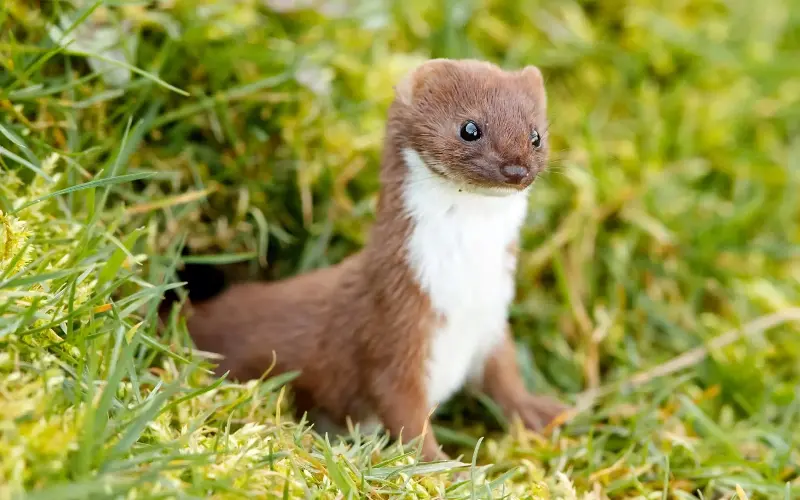
A solitary stoat sighted on a remote Scottish island is still at large despite a £150,000 effort to remove the invasive predator.
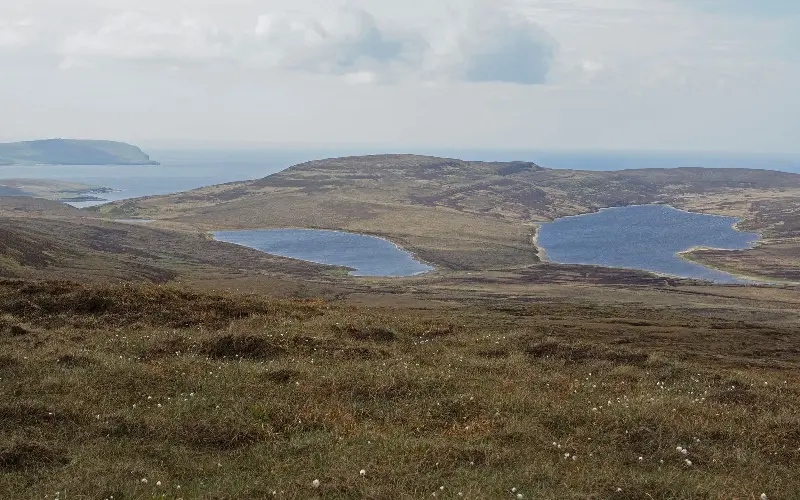
Rousay, a small, hilly island, was thought to be “clear” of the non-native mammal until a male stoat was caught on camera in April.
Attempts to catch it with detection dogs, artificial-intelligence cameras and more than 200 traps have so far failed, raising fears for the safety of internationally important nesting sites of curlews, lapwings and oystercatchers.
Stoats also pose a threat to the Orkney vole, a species that is unique to the archipelago’s collection of 70 islands and the main food source for the rare hen harrier and short-eared owls.
Efforts to remove stoats and protect Orkney’s native wildlife have been ongoing since 2019, led by the Orkney Native Wildlife Project (ONWP), a £15m partnership between RSPB Scotland, NatureScot and the Orkney Islands council.
The Rousay stoat is thought to have swum the two miles from Mainland, the archipelago’s biggest island, and, after the first sighting five months ago, an additional £150,000 was allocated to employ a trapper, along with another member of staff and associated vehicles and equipment.
The most recent sighting was on Sept 6.
A spokesman for ONWP said: “This was a short-term solution to ensure that Rousay was responded to in the most appropriate way.”
Stoats are not native to the Northern Isles and were first discovered in Orkney in 2010.
It is thought they may have arrived on a cargo of hay on a ferry or could have been released intentionally to control Orkney’s rabbit population.
Until recently they were confined to Mainland and Orkney’s south islands, which are linked by the Churchill Barriers.
Earlier this year, the ONWP described the arrival of a stoat on Rousay as “desperately disappointing” but said the island is within swimming distance of Mainland. A spokesman for the project also suggested it was possible that the creature was accidentally transported to the island, or that someone illegally released it.
To date, the ONWP has killed 9,039 stoats in what amounts to the world’s biggest eradication of the species.
Since May, 229 traps and 59 cameras have been deployed on Rousay to catch what is thought to be a single male stoat.
The islands’ project is unique in that it deploys detection dogs, which are trained to find stouts by sniffing out droppings. Members of the public are also encouraged to report signings.