



The sun had just risen above Ponta de São Lourenço, Madeira’s easternmost point, and I could already see the crowds lining up below to hike the trail I had just completed. It’s hard to find a quiet spot on this island these days: word has, it seems, finally got out.
Of course, British holidaymakers have long been familiar with the gentle, old-world charms of this rugged little outcrop in the Atlantic Ocean, and they continue to make up the lion’s share of its visitors – nearly 20 per cent in February 2026. But now, this slightly sleepy, often overlooked destination is edging into the mainstream, with more tourists flocking from the UK and elsewhere than ever before.
Scroll through social media, and you’ll now find endless shots of the island’s magnificent vistas, hiking trails winding through majestic forest, and colourful festivals. It was even named the world’s top trending destination at this year’s Traveler’s Choice Awards, testament to which is the raft of new flight routes that will boost links between Madeira and London, Bristol, Bournemouth and others this summer.
So, why all the sudden attention?
Many of Madeira’s new converts have been lured by its abundant capacity for outdoor adventure. Take, for example, the island’s irrigation-channel hiking trails (levadas) and scenic coastal paths (veredas); long loved by walkers, but now also drawing adrenaline seekers thanks to events such as the Madeira Island Ultra Trail, a three-hour mountain race full of steep ascents and spectacular views – made possible by the reopening of the PR1 Vereda do Areeiro trail, which links two of Madeira’s highest peaks, after a two-year closure.
The arrival of the adventure set has also seen a glut of high-octane activities pop up across the island, including the opportunity to go canoyoning in Ribeiro Bonito, mountain biking across Pico das Pedras and – as of last year, when the island’s first zipline opened – careening over a cliff in Ribeira da Janela.
Unsurprisingly, the island’s scenic spots and natural highlights have seen increased interest too. Eager influencers have been flocking to the Espaço Infinito, a viewpoint which overlooks the iconic black-sand Seixal beach, and to the vast, misty forest of Fanal – a Unesco World Heritage Site that’s long drawn photographers, but whose appeal has been widened by its recent turn in Star Wars: The Acolyte.
Of course, an influx of tourists often comes at a cost, which the government hopes to mitigate with the introduction of various crowd-control measures (a paid booking system to manage the number of people wanting to hike the PR1 Vereda do Areeiro route, for example, and closed-circuit paths in Fanal Forest intended to protect the delicate, centuries-old trees), all geared to helping Madeira’s trails and forests remain the calm, peaceful places they’ve long been.
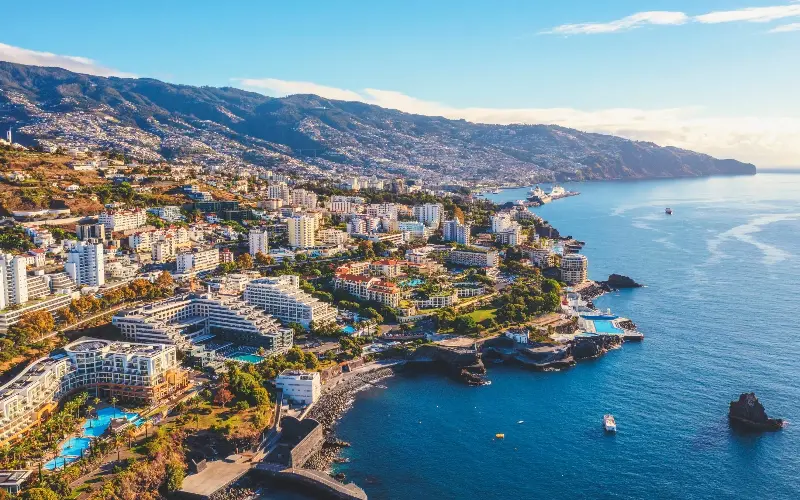
In the capital, Funchal, however, the surge is more welcome, bringing with it a youthful energy that has breathed new life into the city’s bars, restaurants and cultural scene. Take modern fish restaurant Basalto, for example, which opened 18 months ago below popular café hangout Barreirinha, catering for a young crowd that’s after for more than just your typical battered peixe espada (scabbard fish), or the delightful Oxalis, another newcomer that has already cemented its spot among the fine-dining crowd with its seasonal tasting menu.
Brunch spots are also popping up on every corner, alongside international options offering everything from Ukrainian to Korean cuisine, yet another sign of the island’s gentle gentrification. Evenings are becoming livelier too, with intimate cocktail bars like Soiree and Bartes joining the city’s traditional poncha bars and long-loved craft beer spots such as Fugacidade.
Funchal’s music scene, too, has been given a boost (Portugal’s last Eurovision entry even hailed from here), thanks to places like the Local Pub – one of the city’s oldest drinking spots – where new owners João and Joana have instigated regular open mic nights and live music. Across town, the Monte Palace Tropical Gardens promotes local talents through concert series Music at the Monte, inviting artists such as Cristiano Luís and Tiago Sena to play sets in the lush, tropical surroundings.
The music has spilled beyond the capital, thanks to projects like Sofar Sounds Madeira – part of an international movement staging intimate gigs in some of the world’s most vibrant cities – which offers a chance to experience live music while discovering the island’s hidden corners. Meanwhile, the tiny coastal town of Ponta do Sol – a favourite with the scores of digital nomads who’ve discovered Madeira in recent years – comes alive in summer with its own concert series, Concertos L, and draws young crowds with Estalagem da Ponta do Sol’s weekly (and now-infamous) Purple Fridays party.
It’s safe to say Madeira is no longer one of Europe’s under-the-radar jewels – but as all this new vim and vigour proves, that needn’t be a bad thing. The spectacular landscapes and natural wonders remain just as magnificent as they always were, and now they’re complemented by a thriving, dynamic contemporary culture, there’s arguably more reason to visit than ever.
Essentials
Jet2, Ryanair, easyJet and British Airways all fly direct from the UK to Madeira, with returns from around £63. There are plenty of excellent hotel options across the island, including Hotel The Vine (from £266), The Cliff Bay (from £477) and Savoy Palace (from £455) in Funchal.