



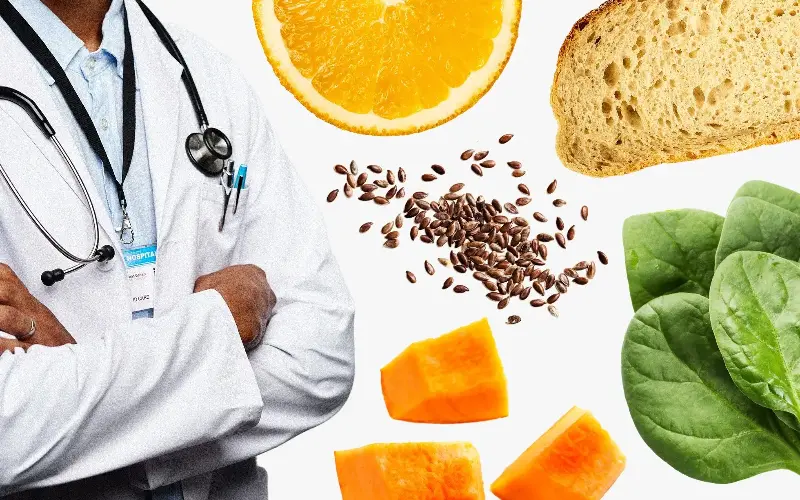
Doctors spend their days advising patients on how to overcome illness and stay fighting fit, but when seasonal viruses such as colds, flu and winter vomiting bugs strike, do they practice what they preach or is it a case of “Do as I say and not as I do”?
We asked five leading medics to reveal the cures and comfort foods they seek out when they’re under the weather.
Dr Idrees Mughal, known as Dr Idz
“When I’m unwell, I focus less on so-called superfoods – which don’t exist – and more on keeping my energy and fluid levels up. I like chicken and sweetcorn soup, which is a bit nostalgic because my mother and aunties would give me that in winter.
“I sometimes crave little cups of low-calorie jelly in strawberry or watermelon flavours, which my body doesn’t actually need but I enjoy. It’s mildly sweet but quite hydrating and refreshing when eaten straight out of the fridge. It also temporarily takes away the sensation of constant mucus going down the back of your throat and soothes any soreness. I also like warm peppermint tea with a little honey to help ease a scratchy throat. The peppermint is also good for constipation.
“If I’m recovering from a stomach bug, I’ll go for Crunchy Nut cornflakes and really cold milk for my first meal – it’s such a low barrier to entry back into food after you’ve been unwell. It’s also an easy way to get some decent nutrients because cereals are fortified, you don’t need any appetite to eat a whole bowl and you’ll get a bit of protein, a little fat and they’re low fibre, so easily digested but give you lots of energy.
“As my appetite returns, I’ll go for sourdough toast to help restore my gut bacteria, which can theoretically speed up recovery, along with boiled eggs which are gentle on the stomach and a good source of protein to help my body repair and recover.”
Dr Idz is an NHS doctor with a master’s degree in nutritional research and author of Saturated Facts: A Myth-Busting Guide to Diet and Nutrition in a World of Misinformation (Penguin)
Dr Jenna Macciochi
“Soups are the go-to for me when I feel under par. I’ve always got a freezer full of chicken stock that I make in the slow cooker over 24 hours, with chicken, onions, garlic, carrot, celery and herbs like thyme and rosemary. I strain it off so it’s just a delicious clear broth that I divide into portions. I either drink it warmed, or quickly roast some winter vegetables with things like turmeric, ginger and different herbs and blitz them up with the broth.
“It’s a great way to quickly pack in plenty of seasonal plants from this time of year. I go for orange and red vegetables like pumpkins and squashes that contain plant-based beta carotene, which immunologists call the “anti-infection vitamin”.
“If I have an infection of the respiratory tract or digestive tract, I’ll sip marshmallow tea as it supports the mucous membrane health of both and is very soothing when those barriers have become inflamed.
“I also love elderberry syrup when I feel a cold coming on. It’s an ancient cold and flu remedy and when I was growing up in Scotland my mother would always make batches of it in early autumn so we would have some in the cupboard in case anyone got ill.
“Elderberries grow there from late August until October, and when I can I’ll collect them to prepare for the winter ahead. It’s simple – I cook the berries down on the hob with cinnamon and star anise as those types of winter spices have a lot of anti-viral properties. Elderberry is rich in vitamin C, as well as flavonoids that help the action of vitamin C, which is why people call it a superfood. It makes the most delicious syrup and a spoonful at the first sign of a cold is the traditional way to take it, but I also add it to yogurt, overnight oats or smoothies – it has a beautiful, tart, berry flavour so blends in nicely.”
Dr Jenna Macciochi is an immunologist and author of Immunity: The Science of Staying Well (HarperCollins)
Dr Liz O’Riordan
“As soon as I start feeling unwell I swap tea and water for buckets of hot squash. When I’m poorly I find the taste of water isn’t very nice, so squash is a great way to keep my fluid intake up.
“I can’t drink hot Ribena because it reminds me of my parents making me drink it with aspirin dissolved in it when I was a kid, so I go for Robinson’s crushed lime and mint cordial, which comes in a glass bottle and feels a bit more grown up. I can’t stand Lemsip either, I’d rather have a hot squash and two paracetamol.
“I’ll also drink Innocent smoothies – they’re very palatable and it’s a good way of getting a lot of fruit and veg when you are feeling poorly so can’t be bothered to prepare your own.
“My dad used to give me a little bit of whisky, honey and lemon when I was really little, just six or seven years old, to soothe a sore throat and get me off to sleep. He was a GP though, so he was allowed to do that! Now, I prefer to sip on a homemade sloe gin, which I think helps kill off the bugs causing infection.
“I’ll also eat a lot of oranges and apples for the vitamin C, then I tend to go for carbs and comfort food rather than anything too worthy, something like lemon curd on toast. I make my own sourdough and could eat a kilo a day when it’s warm and fresh out of the oven. It’s good for the gut too, which is just as well as I can’t stand the taste of kimchi, sauerkraut or fermented kombucha. I’d rather roast some broccoli and cauliflower together with spinach and sweetcorn for the fibre.
“If I’m recovering from a stomach upset, I’ll go for plain bagels or rice, or cereal like Coco Pops. The chocolate milk reminds me of being a kid so it feels really comforting.”
Dr Liz O’Riordan is retired breast cancer surgeon and author of The Cancer Roadmap: Real Science to Guide Your Treatment Path (HarperCollins)
Dr Alan Desmond
“If I’m concerned I’m developing flu or a cold, I make sure that I’m focusing on whole plant foods that are gentle on the gut and support my immune system.
“As I gastroenterologist, I know that about 70 per cent of our immune system sits in the gut, so what we eat genuinely matters in terms of our health, so I might go for a warm vegetable rich soups or stews with beans and lentils and focus on snacking on fresh fruit like berries or kiwis, which are full of soluble (the dissolvable type found in oats, legumes and peas) and insoluble fibre (which bulks up stools, found in wheat bran and the skins of fruit).
“I might go for a homemade lentil or parsnip soup – I use vegetable bouillon rather than meat stock and then add things like ginger, turmeric and ground pepper, so it’s a warming belly hug. While people talk about eating chicken soup when you get ill, there’s nothing magic about the chicken in it. Studies tell us the flu-fighting benefits are more likely to come from the plant-based components – the garlic, onion, spices, seasoning and veggies the soup contains. I’ve loved hot sweet lemony drinks since I was a child and didn’t know it was the vitamin C that was making me better, so I still have the occasional sweetened lemon tea.
“After a winter vomiting bug I’ll go for food that is rich in soluble fibre so it’s a little gentler on the stomach. Perhaps a nice comforting bowl of oats made with soya milk, which is much easier to digest than dairy. I might add a little stewed apple to it for extra sweetness that can be tolerated by the tummy. Once I’m feeling ready for a little more fibre, I would add peanut butter or nuts, or walnuts or flaxseeds in there too.
“If I’m really run down and need a quick sweet hit I’ll take a couple of medjool dates, some really good dark chocolate and peanut butter and mush it all together – there’s nothing better.”
Gastroenterologist Dr Alan Desmond presents The Eat This podcast and wrote The Plant-Based Diet Revolution (Yellow Kite)
Dr Philippa Kaye
“Because the lower part of my colon and rectum were removed as part of my bowel cancer treatment, I live with low anterior resection syndrome. This causes symptoms like clustering, which might make you need to go to the toilet eight times in an hour, or experience urgency, or not be able to control your bowels at all.
“Mine flares up and becomes worse than normal if I become ill, particularly with something that gives me a temperature, so the first thing I do is go straight into a very low-fibre diet. It feels like the opposite of what we might want to do in terms of improving health, but instead of eating more fruit and vegetables I eat white bread, white rice and apple sauce. It feels wrong, but I know it’s right for me. I might also have to increase the amount of medically prescribed calorie supplements that I take. I still get a lot of my diet from these fortified drinks, and often have to increase those while I’m unwell. I’ll also have lots of lemon and honey drinks, so I do get something that tastes good and that gives me energy and vitamins.
“When my children are ill I’ll chop up fruit – oranges, apples and grapes – and pop it on a plate with a couple of biscuits and take it to them in their room. It’s a throwback to something my mother did for me when I was younger that I found so comforting. This offering would just appear next to me by my bed or on my desk and it was as much about giving someone the feeling they’re being cared for as it was about getting some vitamins and minerals into them.
“That feeling of comfort is also the reason why, when I’m under the weather, all I really want is food I’ve had since childhood. The meal I chose the night before my first cancer surgery, when I didn’t know what was going to happen next or what I would be able to eat afterwards, was chicken nuggets and ketchup, all chopped up together. I was feeding my soul.”
GP Dr Philippa Kaye is the author of Doctors Get Cancer Too (Summersdale)