



Global warming has been credited with helping a butterfly species thrive in Britain.
While many species have struggled, scientists claim the number of red admirals has surged as a result of warmer temperatures.
The common garden butterfly, with black wings, red bands and white spots, has seen its numbers rise by more than 300 per cent.
Red admirals typically migrated from north Africa to the UK and continental Europe.
But data collected over 50 years from the UK Butterfly Monitoring Scheme has shown many now stay in Britain rather than returning south, as a result of warming temperatures.
Professor Richard Fox, Butterfly Conservation’s head of science, said while red admirals are thriving, other species are disappearing “like family run shops from the high street”.
Of the 59 native species monitored, the scheme’s figures show that 33 have declined in numbers and 25 have improved, while one mountain-dwelling species has insufficient data.
Professor Fox said the figures were “damning”, adding: “Just as we have lost family run shops and traditional skills from the nation’s high streets, so we’ve lost variety and diversity in the butterfly communities that can exist in our damaged and simplified landscape.
“The main reason we’re losing these habitat landscapes like flowerage, grasslands or woodland glades over the last 50 years is the way we humans manage the landscapes.”
He added: “We do know what we need to do to help recover those species – we can do it, we just need a lot more effort, a lot more will and a lot more resources.”
Since 1976, the monitoring scheme has built up more than 44 million records into a dataset that indicates how the country’s butterflies are faring.
These have been gathered by volunteers who carried out 782,000 walks to count species at thousands of sites across the UK during the past five decades.
As the scheme marks its 50th anniversary, conservationists warn they are fighting an “increasingly urgent battle” to save the diversity of the UK’s butterflies.
Species that can survive across different habitats have been better able to cope with changes to the landscape and climate, and some have even spread to new areas, the figures indicate.
For instance, the red admiral used to be a summer visitor to the UK, but the species is now seen here year-round as the climate warms, with the dataset showing numbers have surged by 330 per cent since 1976.
However, those that rely on specific habitats, such as woodland glades or chalk downland, have struggled. For example, the small tortoiseshell has declined by almost 90 per cent in the last 50 years.
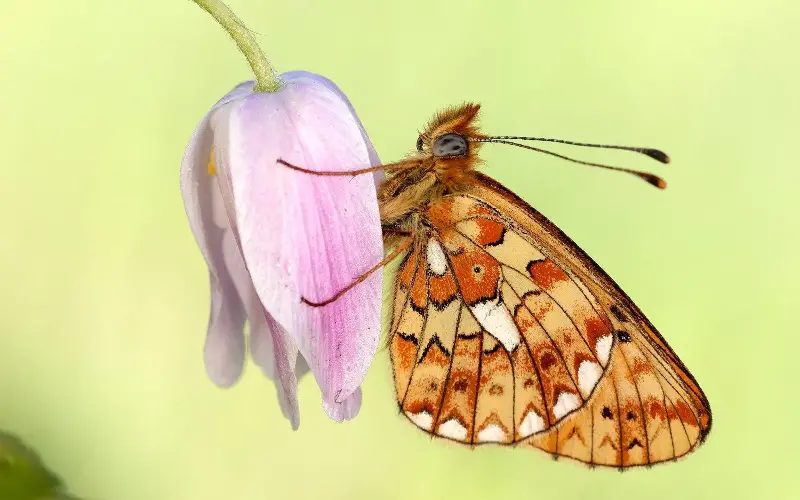
The number of pearl-bordered fritillaries – a vibrant orange-and-black butterfly whose caterpillars only eat violets growing in sunny spots in woodland clearings or bracken-covered hillsides – has decreased by 70 per cent since 1976.
White-letter hairstreaks, which only lay their eggs on elm trees, have suffered significant declines over the decades after millions died from disease.
Intensive conservation efforts have helped some at-risk species reverse the downward trend, including the silver-studded blue and the black hairstreak.
Butterfly Conservation’s Big Butterfly Count, which asks members of the public to count species in their local green spaces each summer, showed disappointing results last year.
This was despite hopes that the record-hot summer – conditions in which butterflies should thrive – might have helped to offset decades of declining numbers.
“Last year should have been amazing for butterflies. However we were not treated to a bumper butterfly year – indeed over one-third of species had below average numbers,” Mr Fox said.