



In Gore Verbinski’s surreal 2026 film Good Luck, Have Fun, Don’t Die, a giant horrific AI-prompted cat-centaur sprays confetti from its penis and terrorises the heroes. You could be forgiven for thinking from headlines about “extreme cats” that they’re referring to gruesome abominations like this – the feline equivalent of the much-feared XL Bully, twenty times its size, perhaps with spleen-puncturing claws and eyes which turn humans to stone like a Whiskas-chomping Medusa. The sort of Godzilla-esque monster which causes the masses to flee in panic when it enters, the death toll from extreme cat attacks ticking up on a screen near you soon.
But no: as with most things in the news, the truth is less cat-astrophic and more mundane. “Extreme cats” are merely cats which are too inbred for comfort, and according to Vet Times, their extremeness just refers to their “musculoskeletal abnormalities, ocular, dental and respiratory issues, impaired mobility and chronic pain”. In other words: a creature less likely to sic you and more likely to be sick.
Cats Protection’s snappily-named Cats and Their Stats report says that pure-bred cats comprised 51 per cent of cat purchases between 2024 and 2025, 45 per cent up from 2023. It’s unsurprising: pedigree breeding is a form of animal racism which is less about coat colour and more about boasting, “Daaahling, look what I could afford!” But pure-bred pets bought as status symbols feature inbuilt karma for their owners in the form of heftier vet bills, shorter lives and endless health problems – and the animals’ suffering should really give them paws for thought.
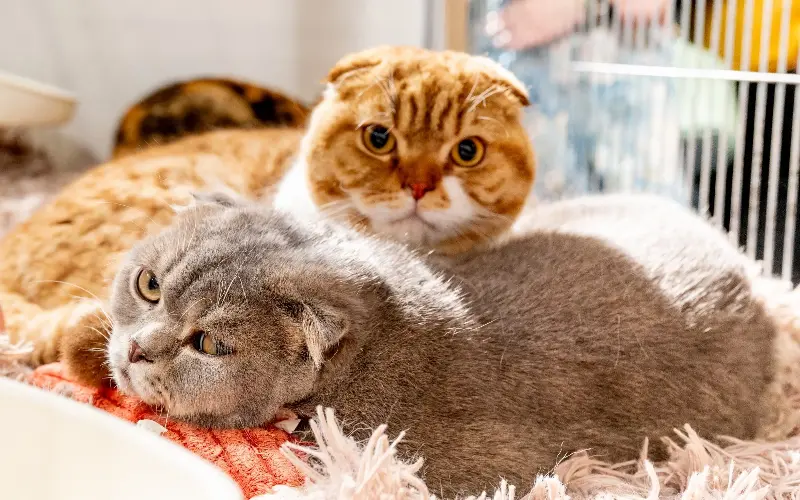
For instance, Scottish fold cats have terrible ear and bone issues due to a mutation called osteochondrodysplasia. They’re massively popular in the States and Japan because of their cuteness, and superstars Taylor Swift and Ed Sheeran both own one, despite the cats’ extreme conformations causing them torment. Then there are dwarf cats like the Munchkin, whose short legs cause them trouble, and brachycephalic Persians and exotic short-hairs with their breathing issues and skin and eye difficulties.
We’ve long known from pedigree dogs such as Cavalier King Charles Spaniels, whose brains are too big for their skulls, that inbreeding can have disastrous consequences. And we can see from hybrid vigour in both animals and plants that cross-breeding and genetic diversity lead to superior performance. So why would anyone in their right mind create demand for and effectively inflict agony on a helpless creature instead?
For these pets’ snobby status-fuelled owners, I can only wish a lifetime of cat-related grievances: cat hair all over their favourite Jermyn Street shirts, long claw scratches in their Heal’s furniture, fur balls in their premium spaghetti bolognaise. For everyone else: don’t purchase a pedigree cat, lest they become even more defective and abnormal. Cats Protection have urged the Government to act and have gained 61,000 petition signatures. Madison Rogers, associate director of advocacy, campaigns and external affairs, warns, “On this issue, we’re really facing a ticking time bomb... we can really see [cats with extreme characteristics becoming] a future… in as short as five to 10 years, because of the way that these trends have picked up since the pandemic.”
At least these poor creatures don’t spray confetti from their penises – well, not yet. Who knows what could happen a decade down the line?