



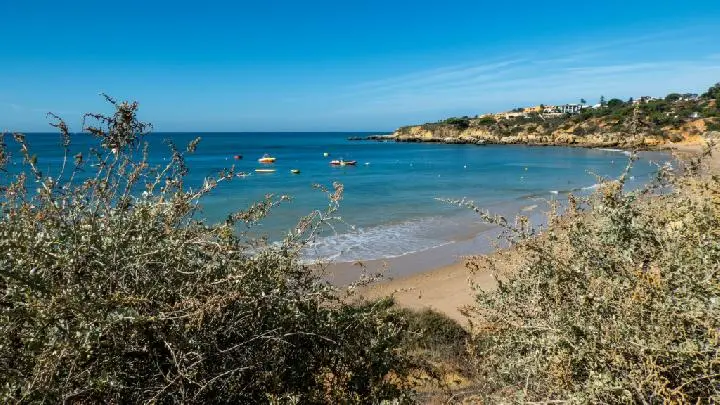
Tourists on vacation in Portugal have been warned about basic cleanliness. Specifically, at Santa Eullia Beach in Albufeira, a unique signboard has been put up. The sign features an image of a man urinating and a person squatting, covered with the prohibition symbol. This is intended to remind visitors to maintain cleanliness while at the beach. Next to it is written 'NAO URINAR,' which means 'No defecating or urinating.'
This beach is very popular among tourists, including Britons, and is known for its golden sand and shallow waters. There is also a large British expatriate community in the area. However, there have been numerous reports of visitors not maintaining cleanliness and disregarding basic hygiene standards.
The local government has intervened to address this issue. Although many tourists behave politely, there has been an increase in incidents involving individuals, especially British tourists, engaging in unhygienic practices such as urinating in public and others.
A tourist expressed confusion about the sign. According to the tourist, urinating or defecating on the beach is not acceptable behavior and most people already know this.
'Who would dare to defecate on the beach? I believe most people know that it is not acceptable behavior. I'm not sure why they need a sign to warn people not to do it, but I think the sign is there because disgusting people have done it in the past,' the tourist said, as quoted from Travel and Tour World.
Santa Eullia Beach, which holds a Blue Flag status for environmental and safety standards, is striving to ensure its pristine environment remains preserved despite the increasing tourism pressure. Public hygiene issues are not limited to this beach alone. The government is also concerned about the growing problem of overcrowded and unsustainable tourism practices in popular areas of Portugal, especially during peak seasons.
Transportation Disruptions
Summer tourists in Portugal not only face cleanliness issues but also transportation disruptions due to strikes. SPdH/Menzies ground staff have been on strike since July 25, causing significant delays and cancellations at various airports in Portugal, including Lisbon, Faro, and Porto Santo. The strike was triggered by wage disputes, unpaid night shifts, and lack of parking spaces for staff.
These disruptions, along with the crowding at popular destinations like Albufeira, are starting to impact the tourism experience, leaving visitors frustrated. However, the tourism industry remains an integral part of Portugal's economy, with millions of visitors flocking to its beaches despite these challenges.
Visitor Safety
Meanwhile, the Civil Protection Service of Albufeira, in partnership with the National Maritime Authority - Maritime Police, and the City Beach Guard Association, has been warning beach visitors about coastal cliff dangers since July 1, 2025.
As cited in Metro, authorities have been distributing information leaflets in Portuguese and English at municipal beaches to increase beachgoers' awareness of risks and accidents on cliff areas, and ways to avoid them.
Additionally, there have been added warnings about the dangers of prolonged sun exposure and promotion of self-protection behaviors, such as staying hydrated, using sunblock, wearing appropriate clothing, and limiting sun exposure during the hottest hours.
Click here to get the latest news updates from Tempo on Google News