



TEMPO.CO, Jakarta - The largest island in the world, Greenland, has long captivated travelers with its dramatic landscapes and untamed wilderness. However, this remote Arctic territory has recently become the center of global geopolitical discourse following renewed interest from US President Donald Trump.
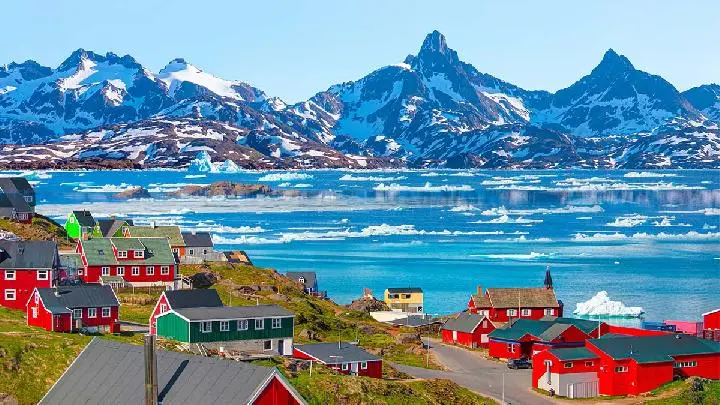
With its extraordinary expanse of ice, towering fjords, and mesmerizing Arctic skies, Greenland offers an unparalleled experience for travelers. Visitors are drawn to a variety of once-in-a-lifetime experiences, from witnessing the ethereal dance of the Northern Lights to exploring the serene, jagged charm of its vast coastline.
According to Travel and Tour World, the majority of tourists visit the region to immerse themselves in Inuit culture and navigate the vast ice fields. Tourist interest has surged significantly following the inauguration of a new international airport last year, which provided much-needed direct access. This infrastructure development has firmly placed Greenland on the global tourism map, branding it as a "must-visit Arctic paradise" for a new generation of travelers.
The island’s spectacular views include towering icebergs drifting through its waters and ice fields that give way to vibrant, colorful valleys during the summer melt. Nuuk, the capital city, offers a unique blend of tradition and modernity, reflecting the evolving social life of its inhabitants. Ironically, climate change has strengthened the region's allure as travelers rush to see its glaciers; consequently, sustainable tourism programs are striving to maintain a delicate balance between economic growth and environmental preservation.
A Brief History of Greenland
Greenland has been under the sovereignty of the Kingdom of Denmark since the arrival of missionary Hans Egede in 1721, an event that marked the beginning of effective governance despite the territory's remote and sparsely inhabited nature. Denmark's claim was further solidified by a 1933 International Court decision that rejected a challenge from Norway. The United States also recognized Danish sovereignty through a 1951 defense agreement, though it notably made a purchase offer for the island earlier in 1946.
The island's status evolved from a colony to an integral part of the Kingdom of Denmark in 1953, a change recognized by the UN through Resolution 849 (IX). This was followed by the 1979 Home Rule Act and the 2009 Self-Government Act, the latter of which was approved by 75.5 percent of the population via referendum. This current legal framework grants Greenland full control over its domestic affairs, with the exception of defense, foreign policy, and monetary matters, while maintaining the option for full independence through a future referendum.