



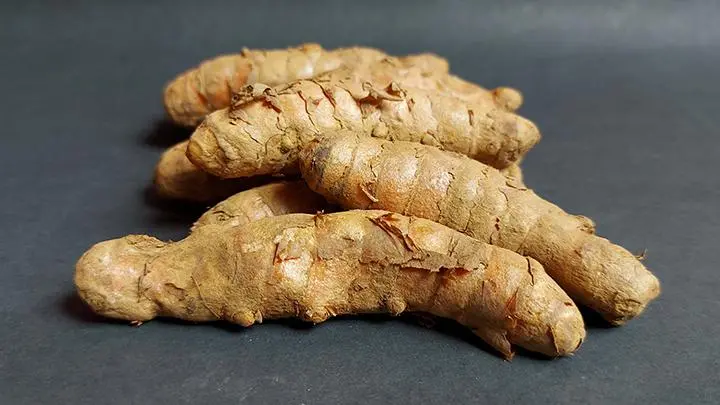
TEMPO.CO, Jakarta - The Research Center for Medicinal Raw Materials and Traditional Medicines of the Indonesian National Research and Innovation Agency (BRIN) has discovered that actinomycete bacteria living in the rhizosphere soil (around the roots/rhizomes) of turmeric (Curcuma longa L.) have the potential to produce anticancer compounds that are effective against breast cancer cells with very low toxicity to normal cells.
This finding is the result of collaborative research between BRIN and the Faculty of Biology, Gadjah Mada University (UGM). The results were published in the Journal of Applied Pharmaceutical Science Vol. 15 No. 3 (DOI: 10.7324/JAPS.2025.218990).
The research team successfully isolated seven actinomycete bacteria from the soil of a turmeric plantation in Karanganyar, Central Java, and tested their anticancer potential in vitro against T47D breast cancer cells.
Aniska Novita Sari, a researcher at BRIN, stated that in vitro testing results showed that one of the isolates, TC-ARCL7, had very strong anticancer activity with an IC50 value of 0.2 µg/ml, much lower than the chemotherapy drug doxorubicin, pure curcumin, and turmeric ethanol extract. Interestingly, this isolate also showed very low toxicity to normal cells (Vero), thus having a high selectivity index.
"These findings show that anticancer potential does not always come directly from medicinal plants; microbes living in the surrounding environment also have the potential to have the same activity as their host and have the potential for further development," Annisa said in a written statement on Tuesday, February 3, 2026.
This approach, she said, could be an alternative in developing natural-based drugs with more efficient production costs and sustainable resources.
Aniska added that molecularly, the TC-ARCL7 isolate is known to possess a polyketide biosynthesis gene cluster (PKS1 and PKS2), which is thought to play a key role in the production of anticancer secondary metabolites.
"Genetic identification shows that this bacterium is closely related to Kitasatospora misakiensis and Kitasatospora purpeofusca, groups of bacteria known to produce various bioactive pharmaceutical compounds," she said.
According to her, this research is still in its early stages and has a long road ahead. Aniska and her team are committed to continuing the research, including purification of the active compound, optimization of metabolite production, and pre-clinical trials, before it can be developed as a safe and effective new anticancer drug candidate that will benefit those in need.
Read: BRIN Researchers Test Winged Drone Flight Performance
Click here to get the latest news updates from Tempo on Google News