



TEMPO.CO, Jakarta - The Sun unleashed a series of powerful solar flares over the past few days, including the most intense solar event recorded in 2026: an X.83-class eruption.
As NASA reported, these bursts of energy on February 1 peaked at 7:33 a.m. ET, 6:37 p.m. ET, and 7:36 p.m. ET, followed by another major flare on February 2 at 3:14 a.m. ET. All four events were classified as X-class flares, which denote the most intense type of solar flare, alongside an additional 24 M-class flares that erupted within a 24-hour period.
These powerful flares were triggered by a rapidly growing sunspot known as Active Region 4366, which has been the main driver of the Sun’s heightened activity in recent days. This surge in solar activity raises the possibility of enhanced auroral displays on Earth.
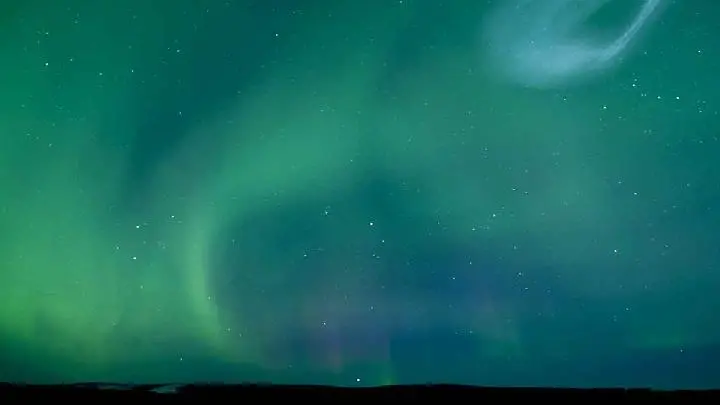
According to ABC News, the northern lights occur when energy from solar flares interacts with atoms and molecules in Earth’s atmosphere, creating a glowing spectrum of dancing lights across the night sky.
So, will this solar activity bring the northern lights into view? Here’s everything you need to know.
When will the northern lights be visible?
According to People, the recent solar flares may result in northern lights as early as Thursday, February 5. While the exact timing remains uncertain, scientists note that additional M-class and X-class flares are still possible.
Where will the northern lights be visible?
As for where the northern lights may be visible, forecasts are uncertain. If geomagnetic activity intensifies, the auroras could be visible not only in high-latitude regions but also farther south than usual.
The potential aurora could be seen in 11 U.S. states: Washington, Wyoming, North Dakota, South Dakota, Minnesota, Wisconsin, Michigan, Maine, Idaho, Montana, and Alaska.
Read: Chasing the Northern Lights and Wildlife in Kemi, Finland