



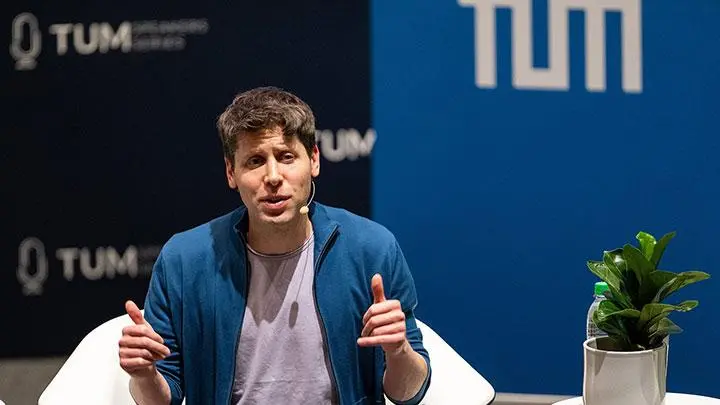
TEMPO.CO, Jakarta - OpenAI CEO Sam Altman says younger generations are increasingly using ChatGPT not only as a search engine, but also as a “life advisor” and even an “operating system” integrated into their daily lives.
Speaking at Sequoia Capital’s AI Ascent event in May, Altman described how the use of ChatGPT varies significantly across generations. According to him, older users generally use ChatGPT as a replacement for Google, while millennials and Gen Z rely on it for broader personal guidance.
“Gross oversimplification, but like older people use ChatGPT as a Google replacement. Maybe people in their 20s and 30s use it as like a life advisor, and then, like people in college use it as an operating system,” Altman said, as reported by Fortune on May 10, 2026.
Altman explained that many college students have integrated ChatGPT deeply into their routines by connecting it to files, saving detailed prompts, and using it to assist with various personal decisions.
“There’s this other thing where they don’t really make life decisions without asking ChatGPT what they should do,” he said.
OpenAI previously reported that more than one-third of Americans aged 18 to 24 use ChatGPT, making college-aged young adults one of the platform’s fastest-growing user groups.
Altman noted that younger users are able to maximize the platform partly because ChatGPT can remember previous conversations, allowing it to maintain broader context about a user’s preferences, relationships, and ongoing discussions.
According to Fortune, people increasingly use ChatGPT for a wide range of purposes, including relationship advice, business consultations, medical questions, and even emotional support similar to therapy sessions.
However, the growing dependence on artificial intelligence for major decisions has sparked debate among experts. Several studies have warned about the risks of relying too heavily on AI-generated advice, particularly in sensitive areas involving safety, health, and ethics.
A 2023 study cited by Fortune highlighted the need for caution when using ChatGPT for safety-related information and emphasized the importance of expert verification and ethical safeguards. Another study argued that large language models could be difficult to fully trust for emotional or social guidance.
At the same time, other research suggests that using AI tools for everyday advice may be harmless and even beneficial in certain situations.
OpenAI Will Not Replace Humans, Sam Altman Says
Meanwhile, Babel Insight reported that Altman also denied claims that OpenAI aims to replace human workers through AI technology.
In a post on X earlier this month, Altman stressed that OpenAI’s goal is to develop tools that strengthen human capabilities rather than eliminate jobs.
“We want to build tools that amplify and enhance human capabilities, not create entities that replace humans,” Altman wrote.
The statement came as fears over AI-driven layoffs continue to spread across the global technology industry. Concerns have intensified following comments from Anthropic CEO Dario Amodei, who claimed that in the future, “all computer code is written entirely by AI.”
The anxiety surrounding AI adoption has also grown after reports that employees at King Studio, the developer of Candy Crush, lost their jobs after helping develop AI systems capable of automating parts of their work.
Sam Altman acknowledged that the transition toward a more AI-driven society would bring major disruptions to conventional jobs. However, he argued that technological transformation would eventually create new forms of work and improve living standards.
“It reminds me of when the smartphone came out,” Altman said during the Sequoia event. “Every kid was able to use it super well, and older people took years to figure out basic stuff.”
Read: OpenAI's First Smartphone Expected to Debut Early 2027
Click here to get the latest news updates from Tempo on Google News