



Pouring soup over rice is a very common eating habit for many people. However, for people with diabetes, the question arises whether this way of eating causes blood sugar levels to rise more quickly after the meal.
Postprandial blood glucose levels reflect the rate and extent to which glucose from food enters the bloodstream. When eating rice, a quantity of white starch with a relatively high glycemic index is absorbed through the small intestine, thereby increasing blood glucose levels, according to the health website Healthline (USA).
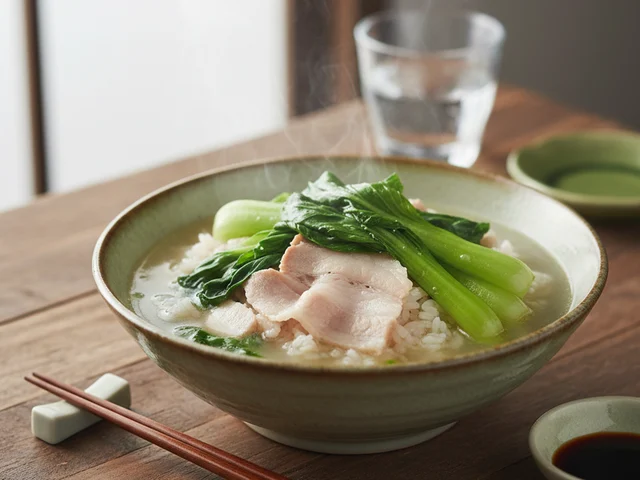
Whether adding soup to rice causes a rise in post-meal blood sugar depends on the type of soup. PHOTO: AI
However, this reaction doesn't depend solely on the rice itself, but is also influenced by other factors in the meal. For example, if carbohydrates are eaten with protein, fat, and fiber, post-meal blood sugar levels will rise more slowly and reach a lower peak.
This is because protein and fat slow down the rate of digestion in the stomach, while stimulating the secretion of gut hormones that help regulate glucose absorption. Therefore, a complete meal with rice, vegetables, and protein-rich foods like meat and eggs will usually not cause a sharp increase in blood sugar as it would with just plain white rice.
Whether or not blood sugar rises depends on the type of soup.
Whether adding soup to rice causes a rapid increase in blood sugar depends on the type of soup. If the soup is mainly vegetable broth, low in starch and fat, then the soup itself will almost certainly not cause a significant increase in blood sugar.
Conversely, soups with added flour, potatoes, noodles, or lots of mashed beans will provide extra starch. This increases the total starch intake in the meal, leading to higher blood sugar levels.
However, if the soup contains fiber, protein, and healthy fats, that's a different story. Studies show that when carbohydrates are eaten with fiber, protein, or healthy fats, post-meal blood sugar levels are usually lower compared to eating carbohydrates alone.
Therefore, a bowl of rice with soup and vegetables, meat, fish, eggs, or tofu will have less of a negative impact on blood sugar than a bowl of rice with soup but without vegetables or meat.
Eating too quickly can easily lead to a spike in blood sugar.
Furthermore, eating habits also play a significant role. When eating rice with soup, many people tend to eat faster or consume more rice because it's easier to swallow. This can lead to an increase in the total carbohydrate intake of the meal. This is the main factor that causes blood sugar levels to rise after eating.
Additionally, some studies suggest that prioritizing vegetables before rice during meals can reduce post-meal blood sugar spikes. Understanding these mechanisms allows people with diabetes to adjust their meals more appropriately and choose suitable ways to consume soup, according to Healthline.