New research warns that the Arctic is warming faster than expected.
Vietnam.vn EN
06/01/2026 12:36:00
New research shows that ice cracks, industrial emissions, and chemical reactions are accelerating ice melt and climate change in the Arctic.
The findings come from CHACHA – a two-month study led by Dr. Jose D. Fuentes of Penn State University and funded by the U.S. National
Science Foundation. The results of the newly published study have raised concerns about the climate situation in the Arctic. Photo: Shutterstock.
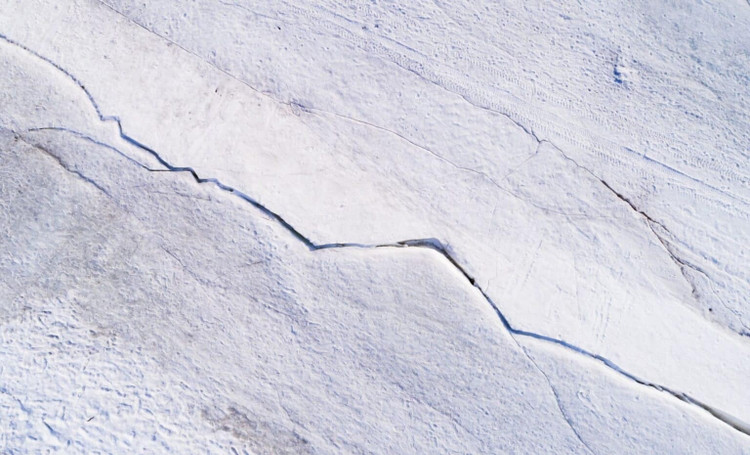
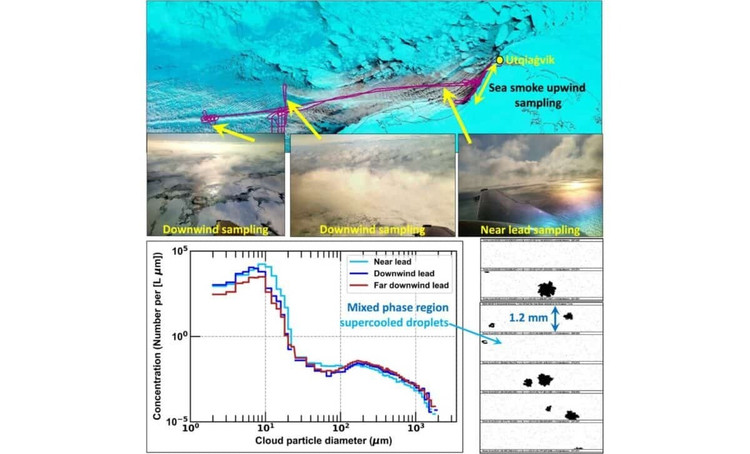
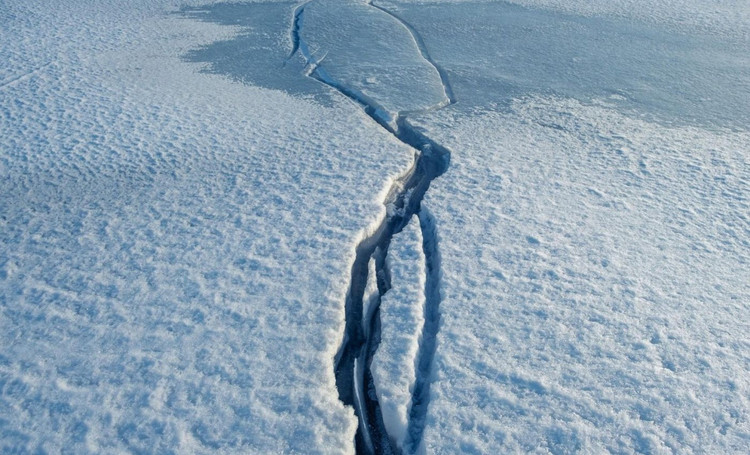
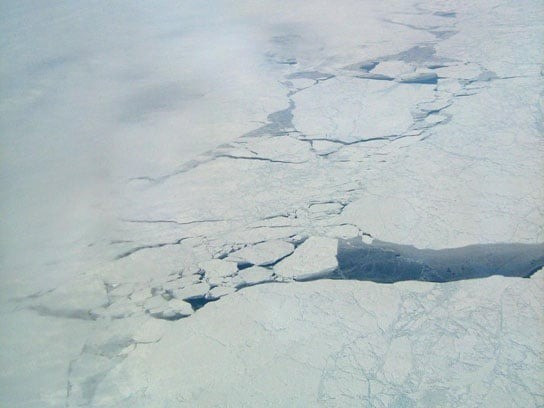
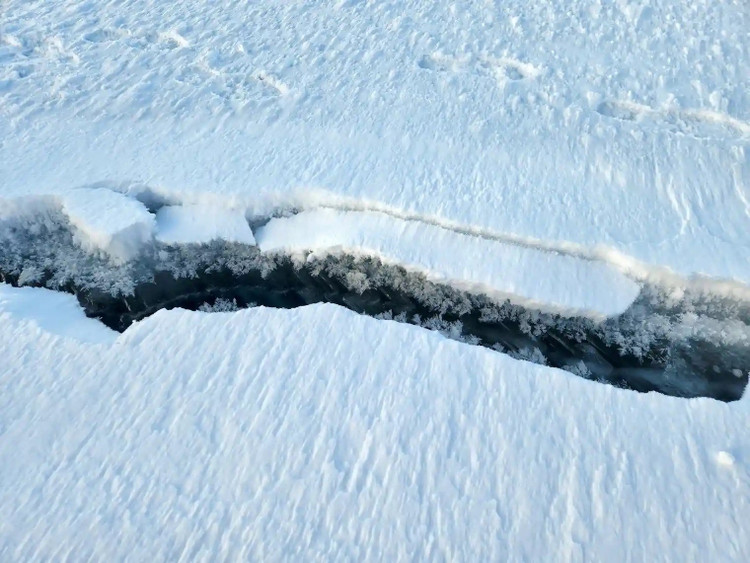
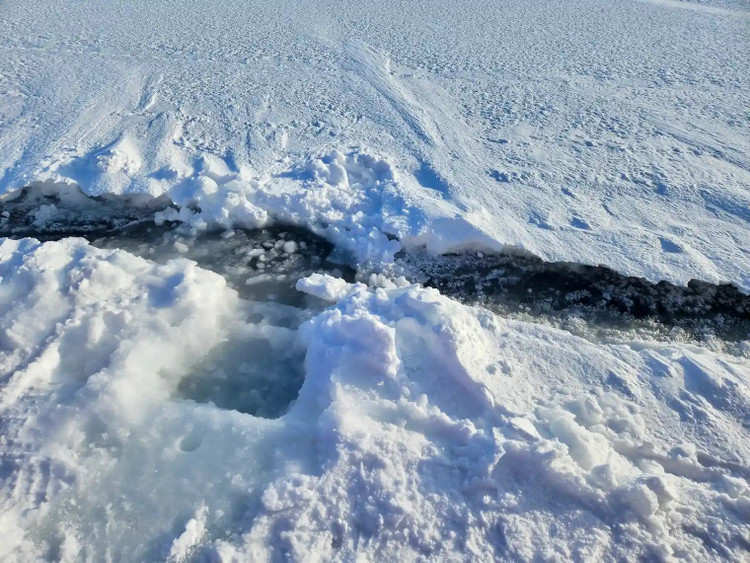
Based on data from 57 flights over the Beaufort and Chukchi Seas collected in early 2022, scientists confirmed that cracks in the sea ice, some several meters wide, are having a huge impact. Photo: Chelsea R. Thompson/Bulletin of the American Meteorological Society 106, 11.
Research by experts indicates that "gaps" in sea ice—cracks that expose seawater to the air—are combining with industrial emissions to alter the chemistry of the atmosphere. (Image: Bulletin of the American Meteorological Society 106, 11)
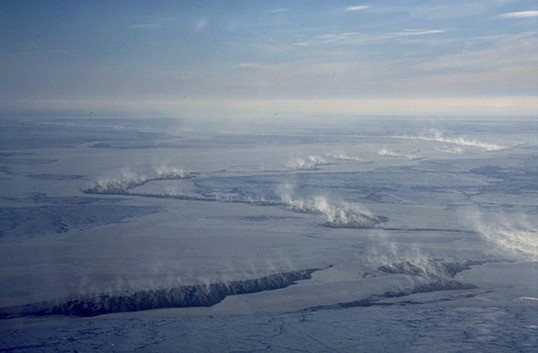
These ice cracks act as giant "heaters" in the spring. As cold air moves across the exposed warm water, it absorbs heat and forms swirling columns of air and "sea smoke." Photo: Earth.com.
Researchers' measurements show that the air directly above the cracks is on average 10 degrees Celsius warmer than the surrounding air. This warmth, in turn, causes the ice to crack further, accelerating the melting process. Photo: NASA/JPL.
The problem is exacerbated by human impact. Research aircraft have recorded unusually high levels of NO2 emissions from nearby oil fields, nearly reaching safe health limits. Photo: University of Hamburg, Germany.
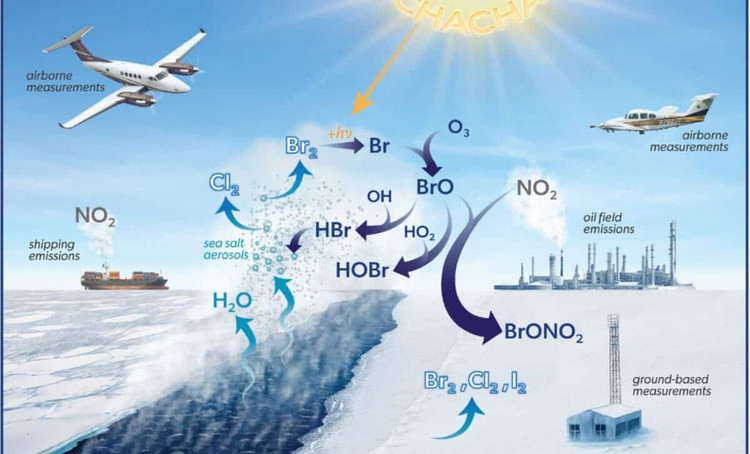
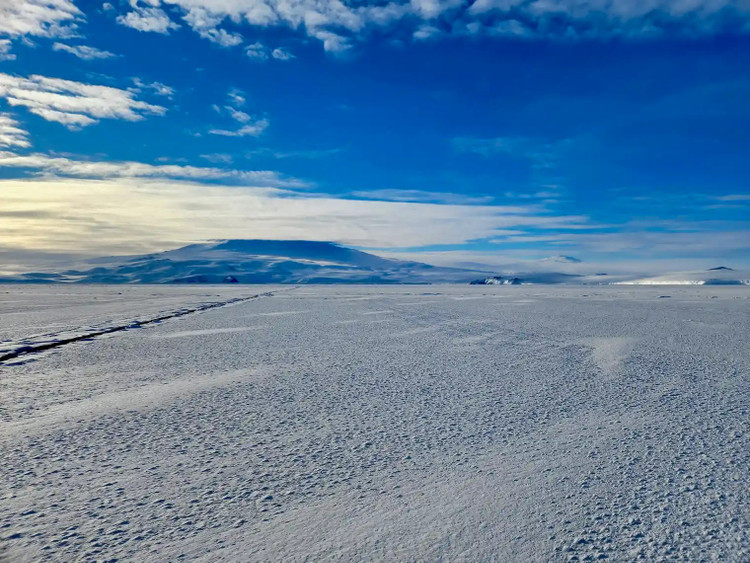
When NO2 emissions combine with the halogen-rich environment of the Arctic and spring sunlight, a chain reaction of negative chemical reactions is triggered. Photo: brr.fyi.
This process releases reactive bromine atoms, leading to the depletion of the lower ozone layer. Monitoring stations have recorded numerous instances where ozone concentrations in the Arctic dropped to near zero. Photo: brr.fyi.
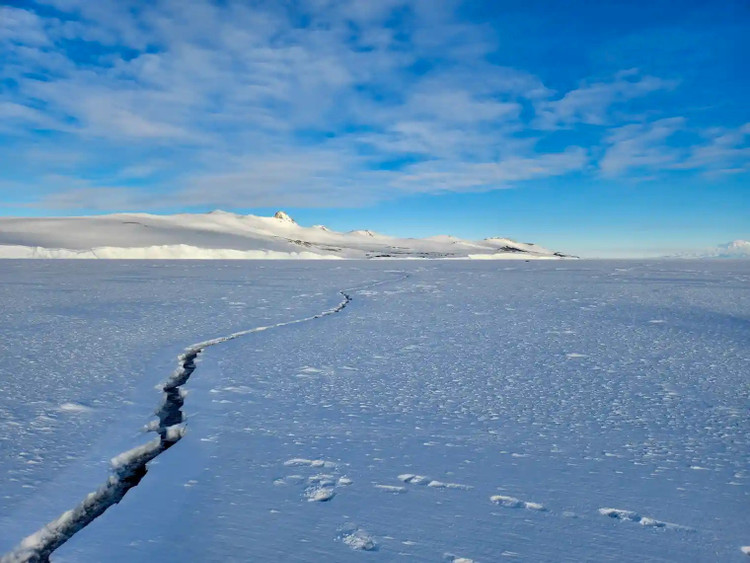
Ozone depletion creates a dangerous cycle. Experts explain that the thinning ozone layer allows more sunlight to reach the surface, warming the snow and releasing even more bromine (a chemical found in sea salt and snow). Photo: brr.fyi.
Based on these findings, the research team concluded that the combined effects of ice cracks, industrial emissions, and chemical reactions are causing the Arctic to warm at a much faster rate than current climate models predict. Photo: brr.fyi.
This article is provided by Vietnam.vn EN, authorized for use, and represents solely the author’s personal opinions. Please contact us in the event of any potential infringement.