



In weight loss groups on social media, the Carnivore diet – a diet that uses only animal-derived foods – is being widely shared as a method for rapid weight loss.
The trend of "eating only meat" to lose weight.
People following the Carnivore diet typically eat mainly red meat, poultry, fish, eggs, and some dairy products, with almost no vegetables or starches. Many report losing weight quite quickly after just a few weeks, leading many to mistakenly believe they are effectively losing fat.
According to nutritionist Le Thao Nguyen from Nam Saigon International General Hospital, when carbohydrate intake is drastically reduced, the body will use glycogen stored in the liver and body to create energy.
“Glycogen in the body is always bound to a certain amount of water. When glycogen is depleted, the accompanying water content also decreases, so weight can be lost quite rapidly in the initial stages. However, when the body uses too much protein to create energy, it can increase blood urea levels, thereby causing many symptoms and affecting many organs in the body,” Dr. Nguyen explained.
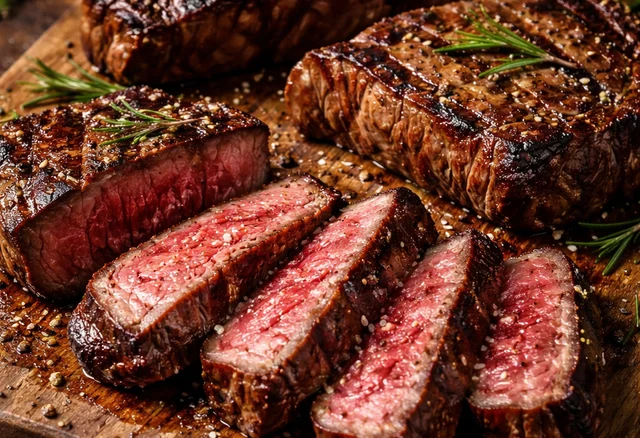
The Carnivore diet is a diet that primarily consists of red meat, poultry, fish, eggs, and some dairy products. PHOTO: AI
The stomach and digestive system have to work harder.
According to Dr. Nguyen, in nutritional science , weight loss does not entirely equate to fat loss. Furthermore, if the diet is unbalanced or lacks energy for an extended period, the body may also lose some muscle mass. This slows down metabolism and makes long-term weight control more difficult.
When a diet lacks fiber for an extended period, several digestive problems can arise, such as constipation, bloating, digestive disorders, and changes in gut microbiota. Furthermore, a deficiency in B vitamins, minerals, and fat-soluble vitamins like A, D, E, and K can negatively impact many vital bodily functions.
A diet high in meat may not be suitable for some groups of people, especially those with kidney disease, a history of gout or high uric acid, dyslipidemia, or cardiovascular disease. In these cases, significantly increasing the amount of animal protein in the diet can make the condition more difficult to control.
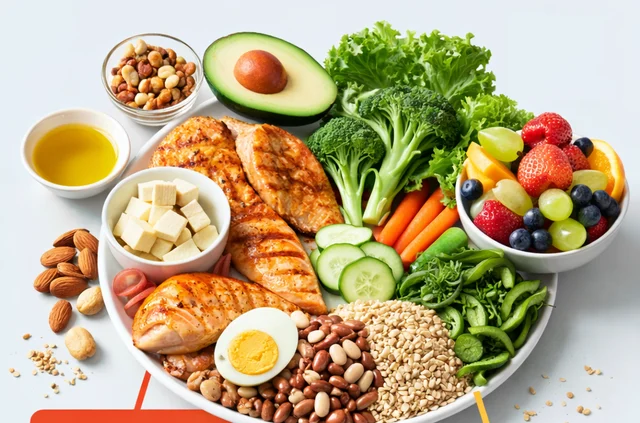
A diet plan that supports weight management still needs to be balanced with all the necessary nutrient groups. PHOTO: AI
Increased risk of atherosclerosis
Meat and other protein-rich foods generally take longer to digest than carbohydrates. When the diet consists mainly of meat, the stomach has to increase the secretion of acid and digestive enzymes to process the large amount of protein. In some people, this can cause symptoms such as bloating, indigestion, heartburn, acid reflux, etc.
Red meat and processed foods often contain high levels of saturated fat. If consumed regularly, LDL cholesterol levels in the blood can increase, raising the risk of atherosclerosis.
Furthermore, a diet high in animal protein increases purine intake. When purines are metabolized into uric acid, the risk of acute gout attacks may increase in individuals with a sensitive constitution. In addition, a diet high in red meat and low in fiber is also believed to increase the risk of colon cancer if maintained over a long period.
Sustainable weight loss is based on a balanced diet
According to Dr. Thao Nguyen, sustainable weight loss is not just about cutting out one food group, but requires building a balanced diet with all nutrient groups, combined with physical exercise and maintaining a healthy lifestyle.
A weight management diet plan typically includes:
- Protein from meat, fish, eggs, and beans: 15-20% of the total energy intake.
- Starch from rice and whole grains: 55-60% of dietary energy.
- Fat: 20-30% of the total energy intake.
- Vegetables and fruits: approximately 500g of vegetables and 300g of fruit per day.