



Paul Pogba doesn't have many options left. If he wants to keep his chance to play in the World Cup with the French national team, he has to get back on his feet, play real football, and earn his place at Monaco.
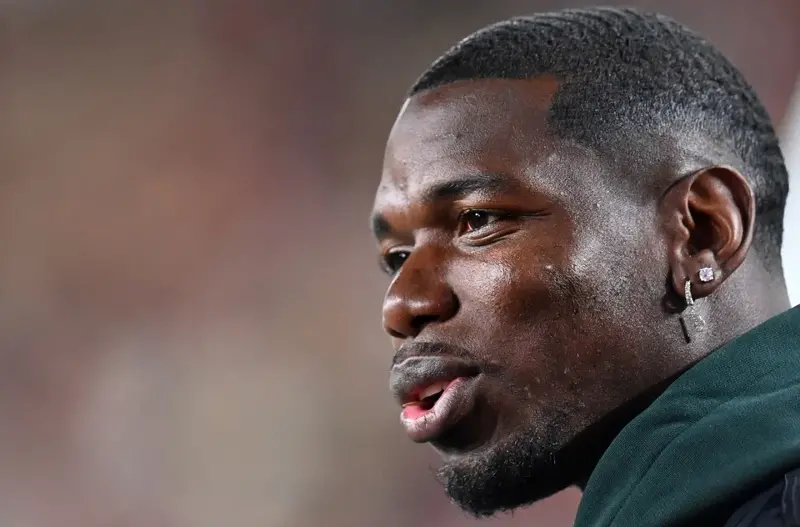
Paul Pogba is at the most precarious stage of his career.
Time is not on Pogba's side, and neither the Premier League nor his glorious past are any longer a shield.
Paul Pogba is at the most fragile stage of his career. Not because he lacks talent, but because he lacks the most important thing for a player at the age of 32: consistent match performance.
The first six months of the season with AS Monaco clearly demonstrated this. Pogba returned after his doping ban, but his fitness and ball control were not yet up to par with World Cup ambitions.
Pogba's goal is clear. He wants to return to the French national team and participate in the upcoming World Cup. But top-level football doesn't operate on memories. The 2018 World Cup champion must now start again from scratch, in a physically strong and disciplined Monaco team.
The numbers speak for themselves: 30 minutes across three matches. Pogba returned to the pitch on November 22nd, coming on as a substitute when Monaco lost 1-4 to Rennes. Those five minutes were more symbolic than technically impressive.
The subsequent match against Paris Saint-Germain showcased a different Pogba. Monaco were down to 10 men, but his presence disrupted PSG's midfield. It was a rare moment where Pogba recaptured a sense of control over the game, albeit briefly.
The problem is that Pogba hasn't been able to sustain those moments. Against Brest, he played 21 minutes but Monaco still lost. Then a minor muscle problem caused him to miss matches against Galatasaray and Marseille.
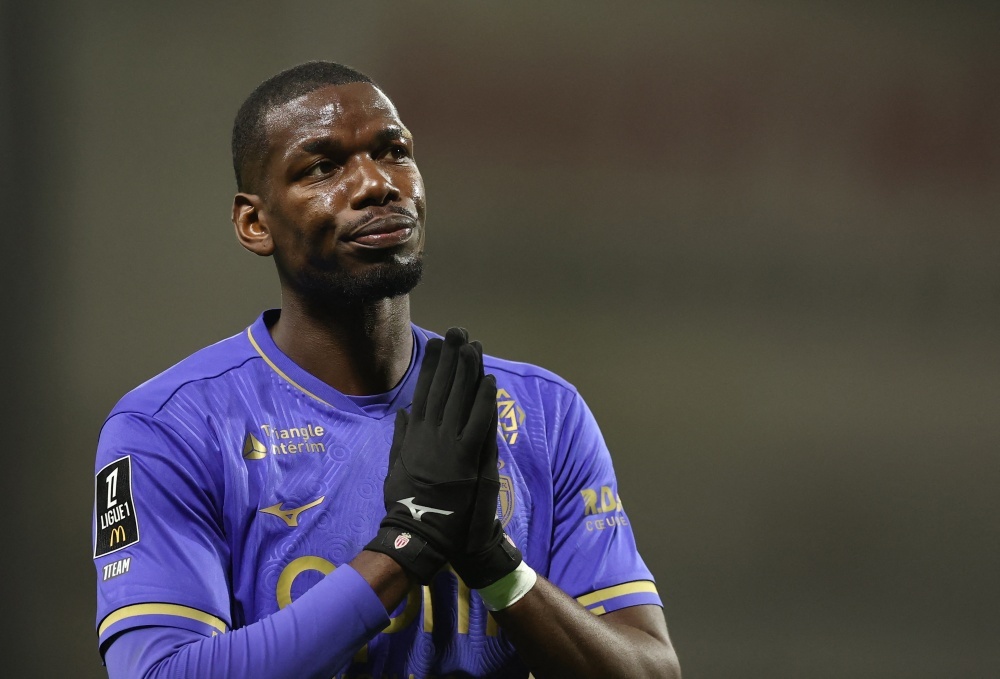
In Monaco, Pogba is no longer the absolute center of attention.
Monaco isn't in a hurry, and coach Thierry Pocognoli understands that pressuring Pogba right now would only make things worse. But the World Cup waits for no one.
At Monaco, Pogba is no longer the absolute center of attention. Denis Zakaria and Lamine Camara are now the key players in midfield. This puts Pogba in a position where he has to compete genuinely, not based on reputation, but on concrete contributions.
To convince Didier Deschamps, Pogba needs more than just promises of his quality. He needs to play regularly, maintain consistent intensity, and prove he can handle a demanding pace of play.
Deschamps has stated unequivocally: the most important thing is that Pogba plays regularly. That's a clear message. There are no special exemptions for past achievements, no matter how glorious they were.
Pogba understands his chances are slim. But as long as he has the opportunity to play, he will cling to that hope.
The match against Real Madrid at the Bernabeu in January could be a turning point. Not for its symbolic significance, but because it's a stage big enough for Pogba to answer the most important question: is he still fit for top-level football?
For Pogba, the World Cup is no longer a luxury goal. It's a race against time. And in that race, only his actual performance will determine whether he continues or has to stop.